
Age of Uprising: The Legend of Michael Kohlhaas
2013
No user ratings available yet
Diversity score: 2.7 out of 10
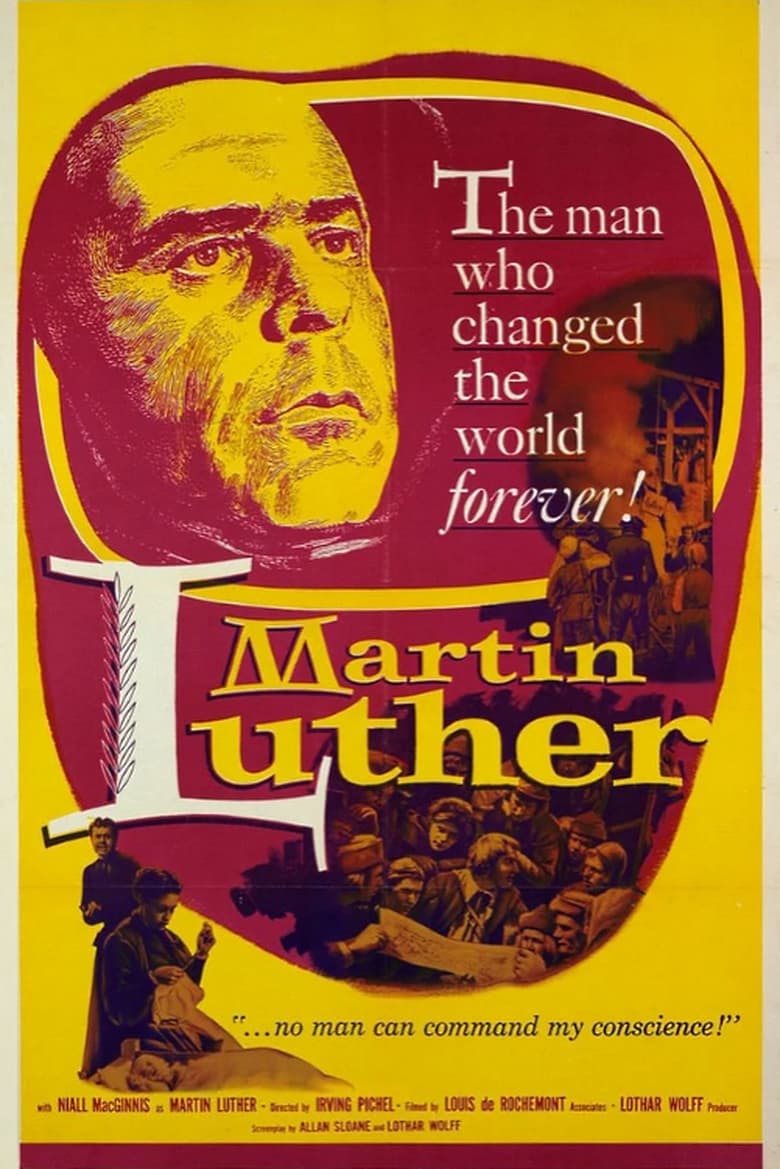
1953
Director
Irving Pichel
Runtime
105 minutes
Average Rating
No ratings yetSynopsis
A biopic of Martin Luther, covering his life between 1505 and 1530, and the birth of the Protestant Reformation movement.
Overall Score
Minimal
Category Breakdown
LGBTQ+ Representation
The film adheres strictly to the heteronormative social structures of 16th-century Germany. No queer subtext or non-cisnormative identities are present in the narrative.
Gender Representation
While Katharina von Bora is a central figure, her role is framed through domestic support for Luther. The film prioritizes male spiritual leadership over female agency.
Racial & Ethnic Diversity
The cast is ethnically homogeneous, reflecting the historical context of Reformation-era German territories. The production maintains a strictly Eurocentric perspective.
Religious & Cultural Diversity
The story critiques Catholic corruption to establish a new theological orthodoxy. It reinforces historical social structures and religious conviction rather than modern secularism.
Disability Representation
There is no representation of physical, sensory, or neurodivergent disabilities. Characters are presented through a standard biographical lens without engaging with disability.
Strengths
Areas for Improvement
AI Analysis
This biopic functions as a traditional historical drama that prioritizes religious and historical continuity. The narrative focuses on the theological shifts of the Protestant Reformation, which naturally centers on male intellectual and spiritual authority. While the film offers a critique of institutional corruption, this serves to bolster a new religious framework rather than to challenge social hierarchies. The depiction of characters and social roles remains deeply rooted in the mid-century cinematic approach and the specific era it portrays. Ultimately, the film lacks intersectional representation, reflecting both the historical setting and the conventional storytelling tropes of 1953.
2013

1918
1988
1951
1952
1974
1903
1972
2005
1954
1972
1942
No reviews yet. Be the first to share your thoughts on this movie!
Use the rating form above to leave a star rating and optional review.