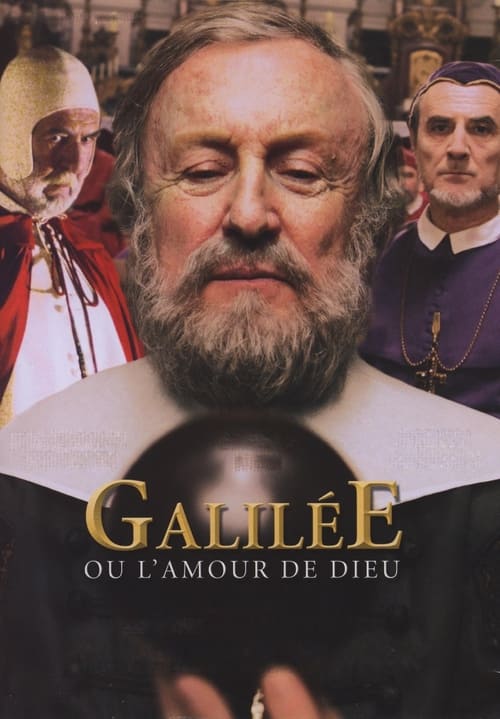
Galilée ou L'Amour de Dieu
2006
No user ratings available yet
Representation score: 2.3 out of 10

Representation Score
Minimal
1975
PGDirector
Joseph Losey
Runtime
145 minutes
Average Rating
No ratings yetNew Showbiz Analysis
Joseph Losey’s adaptation is a traditionally demographically focused film that serves as an ideological critique. While the cast and character interactions mirror the rigid social structures of the 17th century, the film’s strength lies in its thematic subversion of power. The production highlights the intellectual struggle of individuals against systemic dogma. By using the historical setting, it questions how institutions maintain control by stifling empirical truth. Ultimately, the film prioritizes a deep critique of Western authority over broad demographic representation. It is a study of enlightenment challenging institutional dominance.
Category Breakdown
The film does not include any LGBTQ+ characters or narratives. It stays within a historical context that doesn't explore non-straight relationships.
The story centers around male-dominated scientific and religious institutions. Female characters like Virginia exist but play minor roles in the main conflict.
The cast is primarily composed of white actors, reflecting the 17th-century Italian setting. There are no non-Anglo-Saxon characters in key roles.
The film critically examines the Catholic Church and the Inquisition, portraying these institutions as oppressive systems focused on maintaining control rather than seeking truth.
There are no depictions of physical, sensory, or neurodivergent disabilities. Disabilities are not used as a narrative device or for character development.
Present on Screen
Limited or Absent
Official Synopsis
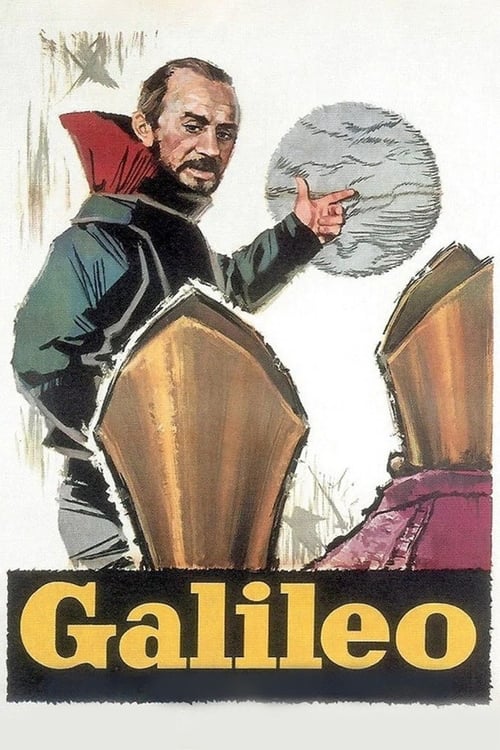
Challenged by a new student, tutor and theorist Galileo co-opts emerging telescope technology and discovers irrefutable proof of the heretical notion that the earth is not the center of the universe. But in a rigid society ruled by an uneasy alliance of aristocracy and clergy already undermined by the Plague and the Reformation, science is a threat and enlightenment is a luxury. Faced with either death at the hands of the Inquisition or recantation to a hypocritical but all-powerful Papacy, Galileo must choose between his own life and the restless scientific curiosity that he has spurned family, friends, and wealth to pursue.
2006
1928
2018
1963
1973
1991
1968
1965
No reviews yet. Be the first to share your thoughts on this movie!
Use the rating form above to leave a star rating and optional review.