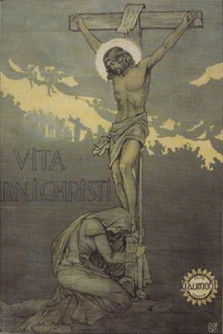
The Birth, the Life and the Death of Christ
1906
No user ratings available yet
Representation score: 1.2 out of 10
Representation Score
Minimal
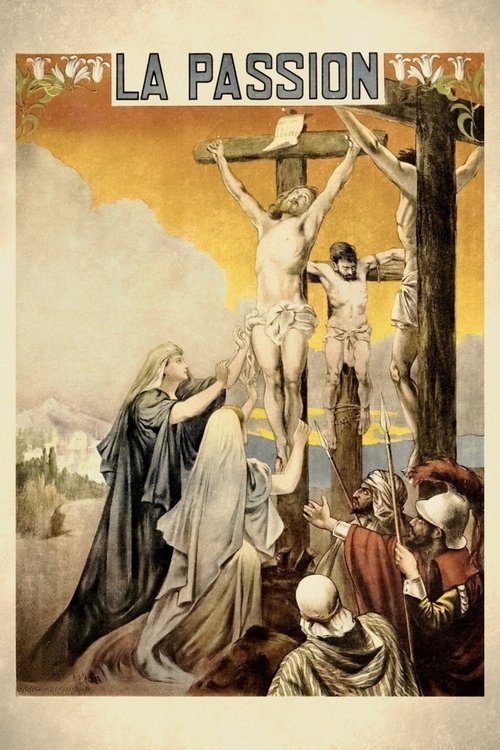
1903
Director
Ferdinand Zecca, Lucien Nonguet
Runtime
45 minutes
Average Rating
No ratings yetNew Showbiz Analysis
This 1903 silent film reconstructs religious iconography from the early 20th century. It preserves and upholds traditional Western religious and social norms without challenging them. The narrative structure centers around a male figure and reinforces early 20th-century cultural norms. It lacks elements that would support diverse or subversive storytelling. Overall, the film is a foundational text of religious drama that prioritizes theological orthodoxy over varied cultural representations.
Category Breakdown
The film does not include any LGBTQ+ characters or narratives. It follows traditional religious teachings from 1903 that do not recognize non-traditional gender identities.
The story focuses on male characters, particularly Jesus, while female figures like Mary are depicted through traditional, submissive roles typical of the time.
The film likely features a predominantly white cast, reflecting a Eurocentric perspective common in early French cinema.
The narrative emphasizes singular Christian morality and the sanctity of religious institutions, without offering any critique or alternative viewpoints.
Characters with disabilities are not shown with significant roles. Instead, physical ailments are used as metaphors for spiritual themes.
Present on Screen
Limited or Absent
Official Synopsis
The story of the life and passion of Jesus Christ, from the proclamation of his birth to his ascension into heaven.
1906
1950
1898
2003
1927
1928
2013
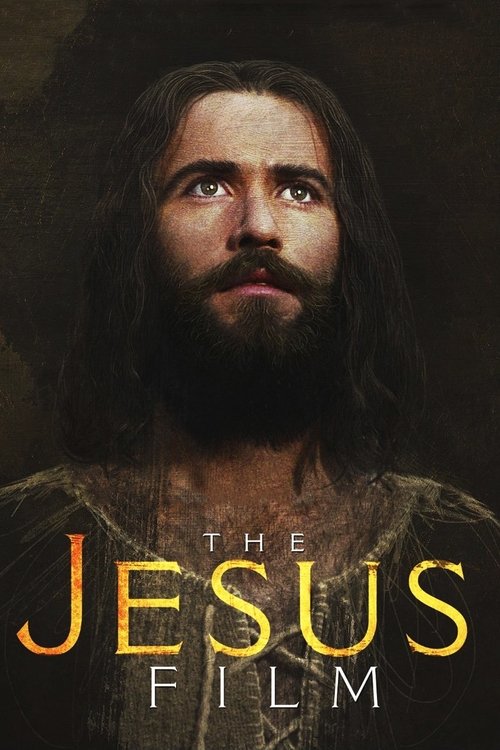
1979
No reviews yet. Be the first to share your thoughts on this movie!
Use the rating form above to leave a star rating and optional review.