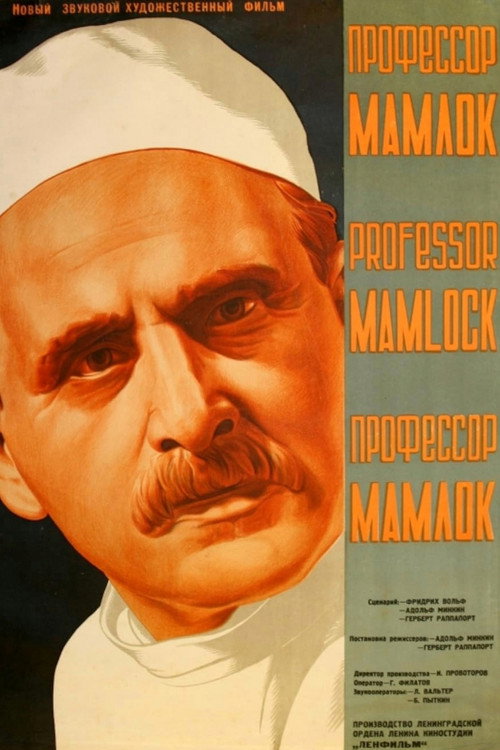
Professor Mamlock
1938
No user ratings available yet
Representation score: 3.3 out of 10
Representation Score
Limited
1933
PassedDirector
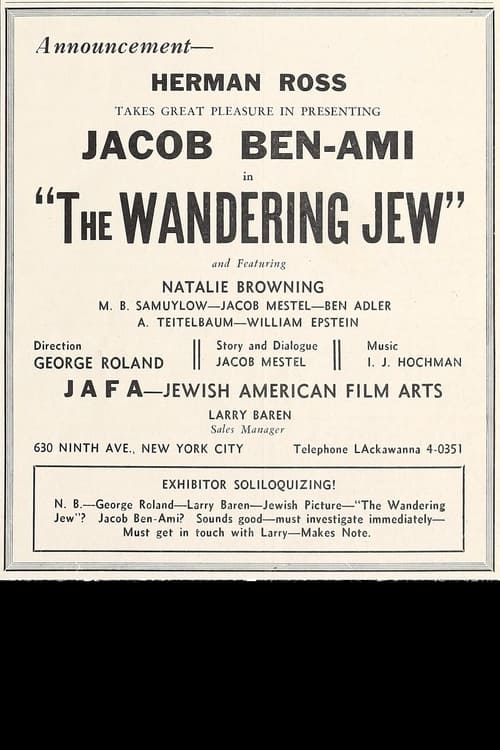
George Roland
Runtime
66 minutes
Average Rating
No ratings yetNew Showbiz Analysis
The Wandering Jew is a focused meditation on systemic exclusion and the endurance of identity. It distinguishes itself from 1930s cinema by centering a underrepresented ethnic experience and using mythological frameworks to critique rising fascism. While the film lacks gender diversity and LGBTQ+ representation, it achieves significant depth through its racial and cultural commentary. The narrative successfully links personal artistic rejection to the broader historical persecution of the Jewish people. Ultimately, the film's value lies in its intentionality, challenging the authority of corrupt institutions and using the Jewish diaspora as a central driver of its dramatic tension.
Category Breakdown
The film does not include any LGBTQ+ characters or narratives. The story focuses solely on ethnic and religious identity within its historical context.
The narrative centers on the male protagonist's struggle against patriarchal institutions. Female characters have little ability to act and appear secondary to the central male conflict.
The film centers a Jewish protagonist to critique systemic antisemitism. It uses the 'Eternal Wanderer' metaphor to highlight Jewish identity as the story's core.
The film critiques Western institutions like the Berlin Academy of Art as engines of exclusion. It uses anti-Hitler footage to ground its themes in contemporary political resistance.
There are no depictions of visible or invisible disabilities within the film's narrative.
Present on Screen
Limited or Absent
Official Synopsis
The Wandering Jew tells the story of Arthur Levi (Jacob Ben-Ami), a German-Jewish artist who experiences the new German antisemitism when his masterpiece, a portrait of his Polish-born father entitled "The Eternal Wanderer" is rejected by the Berlin Academy of Art, which also asks his resignation as professor. Later in the film the figure in the painting comes to life and tells Levi the story of the persecution of the Jewish people. The film ends with footage of an anti-Hitler rally at New York City's Madison Square Garden and Levi's resolve to bear onward in the face of adversity.
1938

1970
1961
1981

1979
2002

1924
1965
No reviews yet. Be the first to share your thoughts on this movie!
Use the rating form above to leave a star rating and optional review.