
Marriage in the Shadows
1947
No user ratings available yet
Representation score: 4.3 out of 10
Representation Score
Fair
1940
ApprovedDirector
Frank Borzage
Runtime
100 minutes
Average Rating
No ratings yetNew Showbiz Analysis
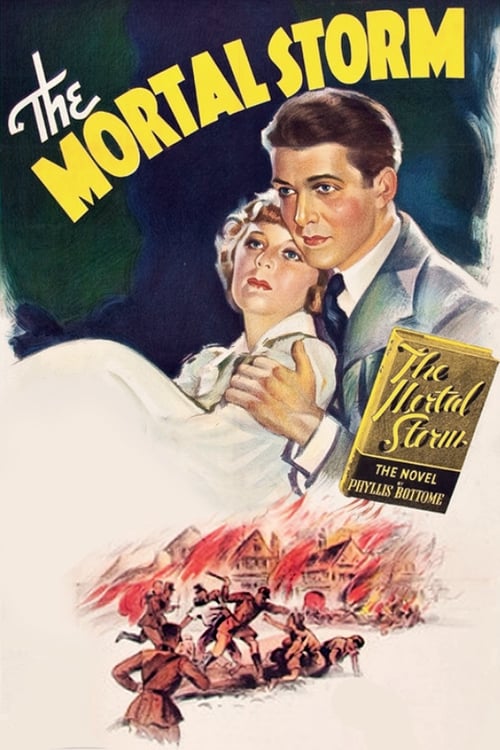
The Mortal Storm disrupts mid-century clichés by focusing on the systemic persecution of a minority group. It uses the Jewish experience to critique racial supremacy and the erosion of civil rights. While the film adheres to traditional romantic structures and straight-centered norms, it offers a sophisticated critique of institutionalized oppression. It highlights the tension between individual morality and the encroaching darkness of state-driven identity hierarchies. Ultimately, the film portrays the destruction of the family and the breakdown of civil society as direct consequences of extremist political movements, offering a powerful commentary on the fragility of human rights.
Category Breakdown
The film focuses on a heterosexual relationship and does not depict same-sex intimacy or non-cisgender identities.
The female lead plays a significant role in navigating the dangers of social ostracization and demonstrates psychological endurance.
The narrative centers the Jewish experience and critiques racial supremacy by showing the transition from social integration to state-sanctioned exclusion.
The film critically examines totalitarianism and extreme nationalism, portraying the state as a destructive force that corrupts traditional legal and family structures.
No characters with visible or invisible disabilities are central to the narrative.
Present on Screen
Limited or Absent
Official Synopsis
The Roth family leads a quiet life in a small village in the German Alps during the early 1930s. After the Nazis come to power, the family is divided and Martin Breitner, a family friend, is caught up in the turmoil.
1947

1970

1961
1969

1940

2002

1957

1959
No reviews yet. Be the first to share your thoughts on this movie!
Use the rating form above to leave a star rating and optional review.