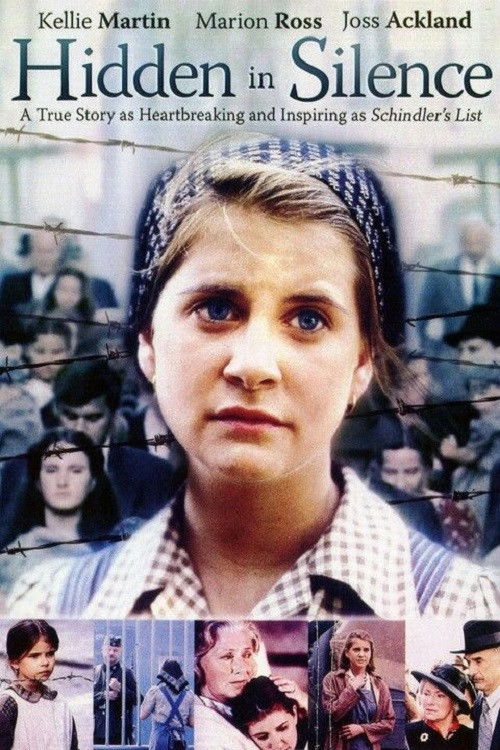
Hidden in Silence
1996
No user ratings available yet
Representation score: 3.7 out of 10

Representation Score
Fair
2010
Director
Franck Phelizon
Runtime
0 minutes
Average Rating
No ratings yetNew Showbiz Analysis
The film succeeds by focusing on the Jewish experience during the Holocaust, offering a necessary disruption of the traditional Western historical perspective. It emphasizes the ability to act of underrepresented individuals surviving under systemic oppression. However, the narrative lacks diversity in other key areas. There is no representation of LGBTQ+ identities or characters with disabilities, which limits the scope of its social commentary. Ultimately, the work is a powerful critique of state-sanctioned violence and the collapse of moral frameworks, even if its character demographics remain narrow.
Category Breakdown
The film does not feature any LGBTQ+ characters or non-straight relationships. The central romance is between the protagonist and a German officer, both of whom are heterosexual.
The story centers on women's roles during wartime, particularly their vulnerability and ability to act. Characters like Huguette provide sanctuary, highlighting the struggles of women in conflict.
The film explores Jewish identity under the threat of genocide, emphasizing the lived experiences of a underrepresented group facing systemic persecution.
It critiques the complicity of state structures and the failure of institutions to protect human rights. The film depicts the corruption of the Nazi regime to deconstruct mid-century social orders.
There are no prominent depictions of physical or neurodivergent disabilities that serve as central character traits or drive the narrative.
Present on Screen
Limited or Absent
Official Synopsis
An old man reads the diary of a young Jewish woman living at the time of the Nazi Occupation, sixty years ago. Sarah Rosemblum, 25, was young, beautiful and in love… with a German officer named Hans. Under a false name, Sarah lives under the protection of Huguette, a cabaret singer who makes a habit of hiding Jews and helping them to escape to England. In Huguette’s remote house, Sarah and Hans are able to pursue their romantic idyll, unaware that they are being spied on by Robert, a 16-year-old who is secretly in love with Sarah, and Huguette’s mother, who is still mourning her son’s death. With the world closing in on them, Sarah and Hans know that they must take flight, whilst they still have time…
1996

2002

1984

2024

2007
1980
2002

1997
No reviews yet. Be the first to share your thoughts on this movie!
Use the rating form above to leave a star rating and optional review.