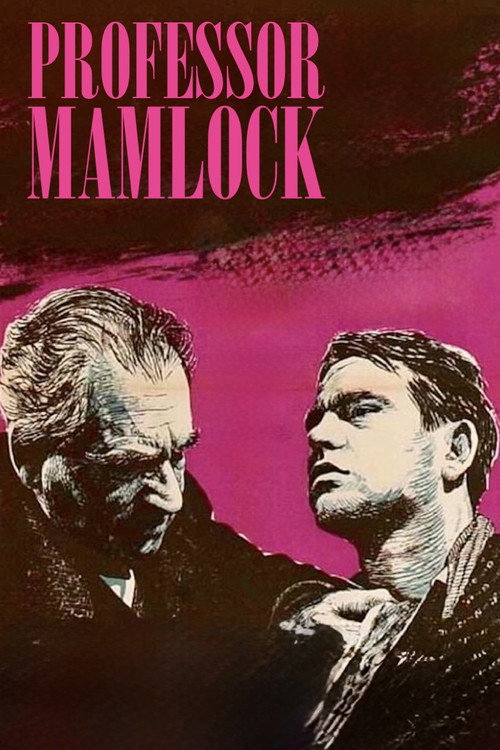
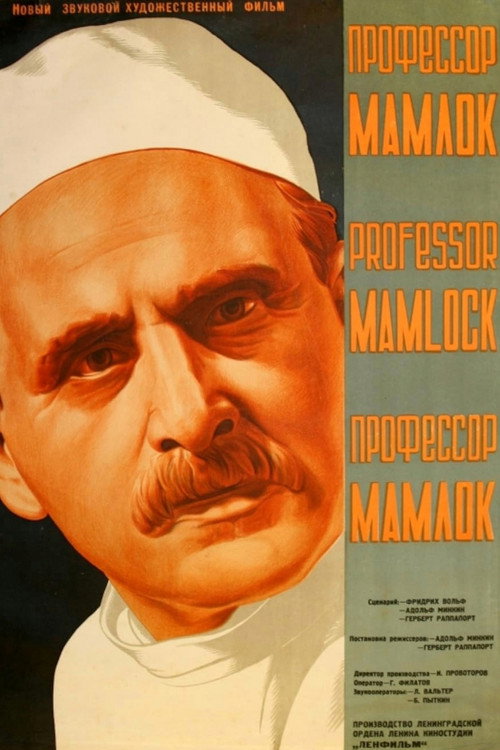
Professor Mamlock
1961
No user ratings available yet
Representation score: 3.3 out of 10
Representation Score
Limited
1938
Director
Adolf Minkin, Herbert Rappaport
Runtime
100 minutes
Average Rating
No ratings yetNew Showbiz Analysis
Professor Mamlock serves as a crucial piece of historical social commentary, focusing on the experience of a persecuted minority against the backdrop of rising fascism. Its strength lies in its sophisticated critique of systemic ethnic prejudice and the erosion of professional standing. While the film excels in its portrayal of ethnic identity and the breakdown of civil institutions, it remains constrained by the social hierarchies of the late 1930s. Gender dynamics reflect traditional structures of the era, with women largely confined to domestic roles. Ultimately, the film's impact is driven by its ability to use the protagonist's identity to challenge the legitimacy of a corrupt political order.
Category Breakdown
The film does not include any LGBTQ+ characters or narratives. It focuses exclusively on the ethnic and political tensions of 1930s Germany.
Male figures such as Professor Mamlock and his son play prominent roles. Women mainly occupy domestic roles, providing emotional support during the political upheaval.
The film provides a deep look at Jewish identity under the rise of totalitarianism. It centers on systemic exclusion and portrays characters who navigate oppression with ability to act.
The narrative criticizes the Nazi state by emphasizing humanitarian ethics over state ideology. It highlights the struggle of individuals against an oppressive, nationalist system.
There is no significant representation of characters with disabilities as central plot devices or receiving meaningful representation.
Present on Screen
Limited or Absent
Official Synopsis
Based on a play by a German-Jewish exile in Moscow, Friedrich Wolf, and directed by an Austrian-Jewish exile in Moscow, Herbert Rappaport, the film tells with the story of an apolitical humanitarian Jewish doctor and his politically-aware, fascism-resisting son, an intern, as their lives become entangled with the Nazis’ rise to power in 1930s Germany, where they live and practice. Things come to a head when the Nazi organization takes control of their hospital, and place a rabid antisemitic physician in charge over Mamlock and his staff.
1961

1970
1933

1981

1979

2002
1940

1947
No reviews yet. Be the first to share your thoughts on this movie!
Use the rating form above to leave a star rating and optional review.