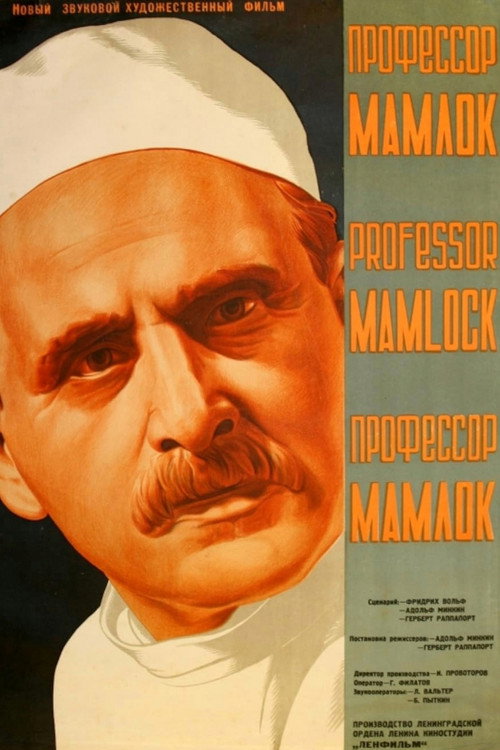
Professor Mamlock
1938
No user ratings available yet
Representation score: 3.3 out of 10

Representation Score
Limited
1961
Director
Konrad Wolf
Runtime
99 minutes
Average Rating
No ratings yetNew Showbiz Analysis
Professor Mamlock is a sophisticated historical drama that uses the framework of Socialist Realism to challenge power structures. It excels in its rigorous examination of ethnic persecution and the mechanisms used to marginalize specific groups. The film's strength lies in its focus on class and ethnicity. By highlighting the Jewish intellectual class, it effectively debunks myths of a monolithic German identity during the rise of the Nazi regime. However, the film is limited by the gendered cinematic conventions of its era. While it provides a powerful critique of state oppression, it offers little control to its female characters.
Category Breakdown
The film does not include any LGBTQ+ characters or non-cisgender identities. Its focus is on the socio-political crisis of 1930s Germany.
Women in the film mainly have domestic roles or serve as emotional support for men. They do not play a significant role in driving the main plot.
The film deeply explores the persecution of Jews and the dehumanization imposed by racial hierarchies. It uses the protagonist's identity to criticize racialized discrimination.
The story criticizes totalitarianism and state-sponsored injustice through an anti-capitalist perspective. It shows how social orders can break down in response to systemic violence.
There are no significant portrayals of physical or neurodivergent disabilities. None of these traits are central to the characters' development.
Present on Screen
Limited or Absent
Official Synopsis
A Jewish chief of surgery in 1933 Germany remains blind to the rising Nazi threat, dismissing political dissent from his son and a patient, until his family faces increasing anti-Semitic persecution.
1938

1970

1957

1981

1940

2002

1979

1947
No reviews yet. Be the first to share your thoughts on this movie!
Use the rating form above to leave a star rating and optional review.