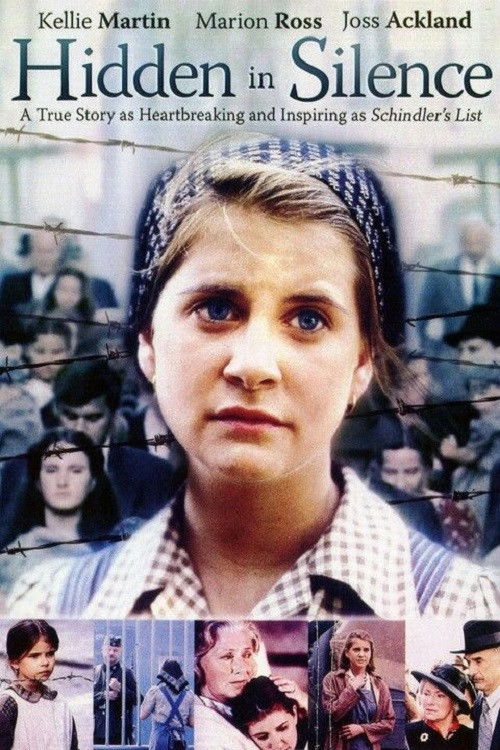
Hidden in Silence
1996
No user ratings available yet
Representation score: 3.7 out of 10

Representation Score
Fair
1987
RDirector
Beda Docampo Feijóo, Juan Bautista Stagnaro
Average Rating
No ratings yetNew Showbiz Analysis
Under the Earth is a historical drama that emphasizes the Jewish experience during the Holocaust. It provides a counter-narrative to traditional Eurocentric historical dramas, focusing on survival and displacement. However, the film operates within the social constraints of its period. There is no evidence of LGBTQ+ representation or narratives exploring queer identities. Additionally, there are no gender-subversive elements or women challenging traditional patriarchal hierarchies. Ultimately, the film's impact is defined by its focus on a underrepresented group's struggle against an oppressive power structure, even if it lacks diversity in other social categories.
Category Breakdown
The film focuses on a Jewish family's survival during the German invasion of Poland. There are no queer themes or non-straight identities within this historical context.
The narrative centers on a family unit under extreme duress. While women likely play important roles in domestic preservation, there is no evidence of them challenging traditional patriarchal hierarchies.
The film prioritizes the experiences of a underrepresented Jewish community facing systemic erasure and historical trauma during the Holocaust.
The story critiques state-sponsored violence and the failure of Western institutions to protect minorities. It explores themes of displacement and migration from Poland to Buenos Aires.
The available information does not mention characters with visible or invisible disabilities. No specific representation in this category can be confirmed.
Present on Screen
Limited or Absent
Official Synopsis
When the Germans invade Poland during World War II, a family of Jews seeks refuge in a well. Based on real events, the three survivors moved to Buenos Aires in 1952.
1996

2019
2004

2014

1948

2024
2021

1959
No reviews yet. Be the first to share your thoughts on this movie!
Use the rating form above to leave a star rating and optional review.