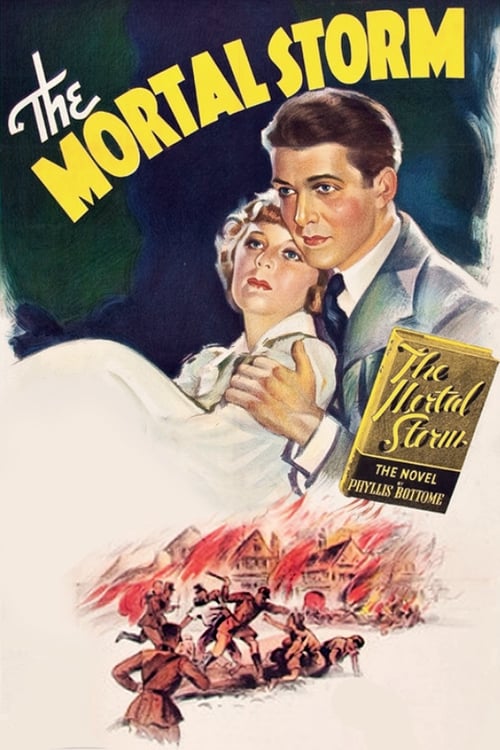
The Mortal Storm
1940
No user ratings available yet
Representation score: 4.4 out of 10

Representation Score
Fair
1947
Director
Kurt Maetzig
Runtime
99 minutes
Average Rating
No ratings yetNew Showbiz Analysis
Marriage in the Shadows is a sophisticated historical reconstruction that critiques systemic oppression through the lens of the rise of the Nazi regime. By focusing on the Jewish experience, the film goes beyond a simple period drama to explore how state power sidelines minority populations. The film excels in its portrayal of ethnic and religious identity, using the specific historical context of the 1930s to reveal the mechanics of exclusion. It frames the struggle for survival as a necessary resistance against a dehumanizing system. While the film lacks representation for LGBTQ+ and disabled characters, its focus on the intersection of ethnicity and state-driven social constraints offers a profound insight into institutionalized corruption.
Category Breakdown
The film does not include any LGBTQ+ characters or non-straight identities. The main conflict revolves around ethnicity and religious laws rather than sexual orientation.
Elisabeth takes a significant role in driving the story through her desire to leave her country to escape terror. However, the narrative also explores her complex reliance on her husband's perceived protection.
The film centers a Jewish protagonist to explore systemic persecution. This shifts away from typical historical dramas by making ethnic identity the primary driver of the plot.
The story criticizes the intertwining of state authority and religious doctrine. It portrays the Nazi state and its social structures as inherently corrupt and oppressive.
There are no prominent depictions of physical or neurodivergent disabilities that influence the narrative.
Present on Screen
Limited or Absent
Official Synopsis
Set during the rise of the Nazi regime, Elisabeth Maurer and Hans Wieland enjoy successful careers as actors in Berlin. Confident in her career, Elisabeth, who is Jewish, ignores the advice of a colleague to leave Germany in the face of increasing anti-Semitism. Believing that he can protect her if she becomes his wife, Hans convinces Elisabeth to marry him. In the following years, as Hans's career thrives, Elisabeth awaits the end of the Nazi terror which bars her from public life. When the situation worsens in 1938 with the Kristallnacht pogrom, Elisabeth decides to leave the country, but Hans, who still believes he can protect her, convinces her to stay with him.
1940

1970
1949
1981

2000
1952

1957
1961
No reviews yet. Be the first to share your thoughts on this movie!
Use the rating form above to leave a star rating and optional review.