Little Lise
1930
No user ratings available yet
Representation score: 1.7 out of 10
Representation Score
Limited
1931
ApprovedDirector
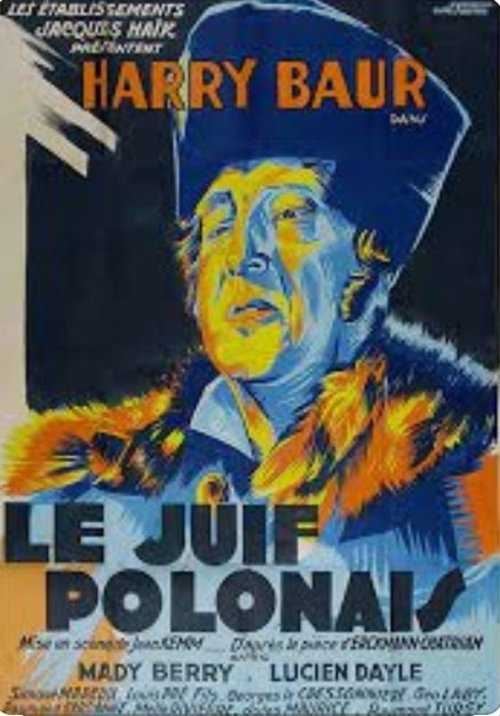
Jean Kemm
Runtime
85 minutes
Average Rating
No ratings yetNew Showbiz Analysis
The film centers an ethnic minority character, specifically a Polish Jew, as the driver of its tragic plot. By making a Jewish man the catalyst for the Burgomaster's psychological haunting, the film moves beyond mere background representation. However, the narrative remains anchored in early 20th-century dramatic clichés. The focus often shifts away from the victim toward the moral struggle and guilt of the dominant male authority figure. Ultimately, the work lacks complexity in how different aspects of identity intersect. While it provides a degree of ethnic visibility, it does not challenge traditional gender hierarchies or address systemic social critiques.
Category Breakdown
The film does not include any LGBTQ+ characters or narratives focused on non-cisgender identities. The central romance revolves around a traditional heterosexual relationship between the victim's son and the Burgomaster's daughter.
The story adheres to conventional dramatic structures where female characters are primarily defined by their romantic relationships. The main psychological conflict is driven by male characters, emphasizing masculine-coded authority and guilt.
An itinerant Jewish man serves as the central catalyst for the plot. While this provides meaningful ethnic representation, the narrative focuses more on the perpetrator's guilt than the victim's ability to act.
The film explores subjective morality and psychological guilt within a traditional European village setting. It lacks a broader systemic critique of Western institutions or social structures.
There is no evidence of physical or neurodivergent disability representation. The Burgomaster's fainting is a psychological reaction to guilt rather than a depiction of a chronic condition.
Present on Screen
Limited or Absent
Official Synopsis
The story recounts the murder of an itinerant Jew (Jules Maurice)by the village Burgomaster (Harry Baur.) Years go by and Baur's crime does not weigh heavily on his conscience. But at a banquet one night, the subject of the killing comes up and he faints, and is haunted from that point onward by the vision of the man he killed and the sound of the sleigh bells that first accompanied the victim's arrival in the village. And, to complicate matters for Baur, the son of the victim arrives, and proceeds to fall in love with Baur's daughter.
1930
1938

2019

1939
1915

1928
1938
1923
No reviews yet. Be the first to share your thoughts on this movie!
Use the rating form above to leave a star rating and optional review.