The Miracle Woman
1931
No user ratings available yet
Diversity score: 4.5 out of 10
1929
NRDirector
Frank Capra
Runtime
84 minutes
Average Rating
No ratings yetSynopsis
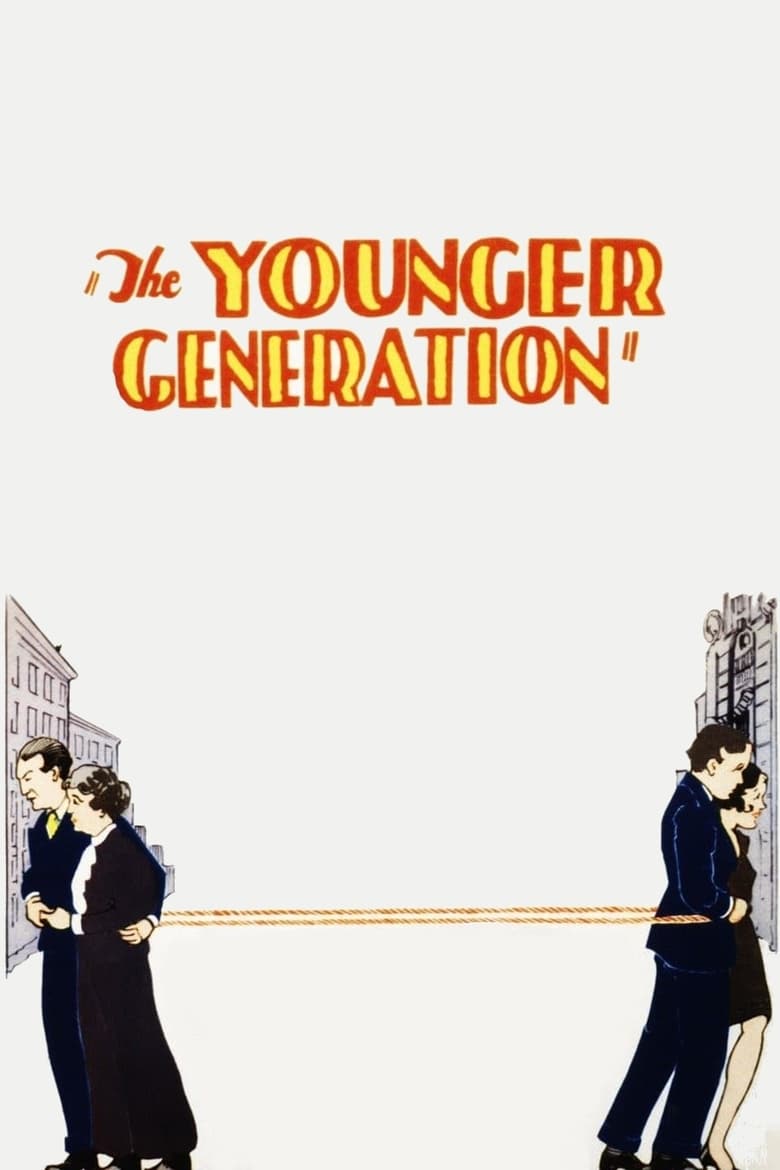
Soap-opera about a social-climbing Jewish man and his old-world parents who are heartbroken by his rejection of them. Young Morris Goldfish follows his immigrant father into business. His ruthless business practices cause him to become a big success, and he moves the family to Park Avenue. They go, but were happier back on the East Side. Morris is ashamed of this parents and his humble origins, but learns in the end that there is more to life than money.
Overall Score
Fair
Category Breakdown
LGBTQ+ Representation
The film contains no evidence of LGBTQ+ characters or themes. It does not address non-heteronormative identities within its narrative framework.
Gender Representation
The story follows traditional familial structures of the 1920s. While Morris holds professional agency, the domestic sphere is defined by the parents' emotional reactions, reflecting conventional gendered roles.
Racial & Ethnic Diversity
The film centers on a Jewish immigrant family, exploring the friction of assimilation. It highlights the specific cultural loss that occurs when abandoning ethnic roots for social prestige.
Religious & Cultural Diversity
The narrative critiques Western social hierarchies and the pursuit of wealth. It prioritizes communal and ancestral values over capital, framing Park Avenue status as a source of moral decay.
Disability Representation
There are no depictions of visible or invisible disabilities present in the film's narrative.
Strengths
Areas for Improvement
AI Analysis
The Younger Generation stands out for its refusal to present the American Dream as an unalloyed good. By centering a Jewish immigrant family, the film disrupts the era's typical focus on Anglo-Saxon middle-class stability. It uses the protagonist's social climbing to explore the psychological cost of abandoning one's heritage. However, the film remains a product of its time regarding gender and identity. The domestic roles are largely traditional, and there is a complete absence of LGBTQ+ or disability representation. The narrative focus is strictly on the tension between immigrant identity and capitalist assimilation. Ultimately, the film's strength lies in its sophisticated critique of class mobility. It frames the transition from the East Side to Park Avenue as a move from authentic belonging to hollow, performative status.
1931
1923
1927
1936
1931
1930
1926

1931
1933
1975
1945
1921
No reviews yet. Be the first to share your thoughts on this movie!
Use the rating form above to leave a star rating and optional review.