
The Resurrection of the Golden Wolf
1979
No user ratings available yet
Representation score: 3.3 out of 10
Representation Score
Limited
1978
Not RatedDirector
Tōru Murakawa
Runtime
89 minutes
Average Rating
No ratings yetNew Showbiz Analysis
Tōru Murakawa’s film is a gritty, hardboiled crime thriller that focuses on the mechanics of professional competence and plot-driven action. The narrative follows established genre conventions of the time, centering on a hitman caught in a corporate struggle. Since the film centers on a localized Japanese power struggle, it lacks diverse representation or multi-layered depth. Characters primarily serve the plot rather than being used for social commentary or challenging traditional hierarchies.
Category Breakdown
The film sticks to traditional hardboiled themes common in 1970s action movies. It doesn't include any visible LGBTQ+ identities or stories that question the idea that everyone is straight.
The story revolves around a male assassin dealing with a corporate power struggle. While there are female characters, they seem to play supporting or reactive roles within the genre's structure.
As a Japanese production, the cast is mainly made up of people from the same ethnic background. The film focuses on a local setting involving Japanese companies rather than a multicultural environment.
The narrative examines corporate corruption and systemic power through a standard genre lens. It emphasizes individual survival and professional skills over questioning traditional institutions.
There is no information about characters with physical or neurodivergent disabilities being included or portrayed.
Present on Screen
Limited or Absent
Official Synopsis
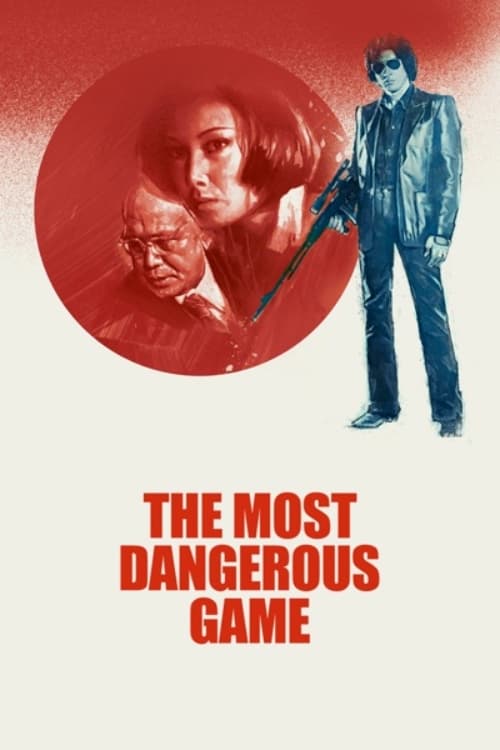
The first movie of Tôru Murakawa’s “Game” trilogy, in which an assassin hired to recover a kidnap victim becomes embroiled in a vicious power struggle between two large corporations over a sizable government defence contract.
1979
1974
1973

1973
1964
1964

1967

1979
No reviews yet. Be the first to share your thoughts on this movie!
Use the rating form above to leave a star rating and optional review.