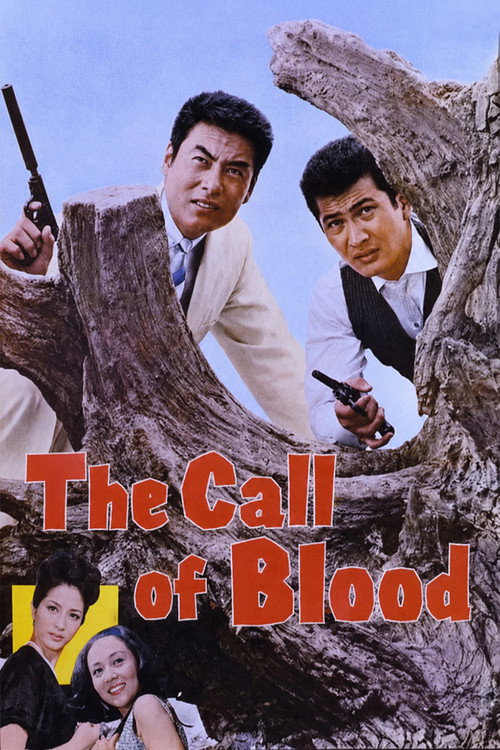
The Call of Blood
1964
No user ratings available yet
Representation score: 1.9 out of 10

Representation Score
Minimal
1971
RDirector
Chor Yuen
Runtime
94 minutes
Average Rating
No ratings yetNew Showbiz Analysis
The Killer is a specialized wuxia film that emphasizes visual spectacle and martial arts prowess over social realism. It adheres to the strict storytelling conventions of 1970s Shaw Brothers cinema, focusing on mythic archetypes and kinetic action. By following traditional genre conventions, the film reinforces conventional power structures. Power is tied strictly to physical strength and adherence to martial codes, limiting opportunities for progressive representation or addressing multiple aspects of diversity. Ultimately, the film functions as a closed system within the genre. It prioritizes personal vendettas and theatrical action over exploring identity or challenging social norms.
Category Breakdown
The film does not include any LGBTQ+ characters or situations that challenge traditional heterosexual relationships. Romantic elements follow typical patterns without any hints of queer subtext or disrupted gender norms.
Male martial artists hold the majority of the power and play key roles in driving the plot through combat. Female characters have minor roles that support the established wuxia clichés without challenging the male-dominated structure.
The cast is mainly made up of Han Chinese actors, which fits the wuxia setting. A Japanese character serves as an antagonist, but this follows a traditional villain cliché rather than adding complexity.
The story explores themes of vigilantism and personal revenge through the wandering warrior archetype. Conflict is framed through martial honor and personal justice rather than critiquing larger societal institutions.
There is no depiction of physical or neurodivergent disabilities. Characters are portrayed as physically fit and skilled in martial arts, without any portrayal of disability as part of their lives.
Present on Screen
Limited or Absent
Official Synopsis
Chiao Tzu Wei hires a killer under the premise that the local government (run by the local kung fu school) is corrupt and extorting the people of the town. The killer happens to be Hsieh Chun (aka Hsiao Hu) who left town ten years ago. (When Hsieh Chun opens up a suitcase full of knives, you know that there is going to be tons of killing!). Thinking that the local kung fu school is bad, he goes over there to fight them. There is some reuniting of lost friends and some love between two of them. The bad guys are constantly double crossing everyone and this leads to total mayhem and carnage. The final fight scene (which is actually several fight scenes going from one to the next) is incredible, especially the blood soaked finale between the evil Japanese leader of the opium ring and the two brothers.
1964
1974
1971
1966
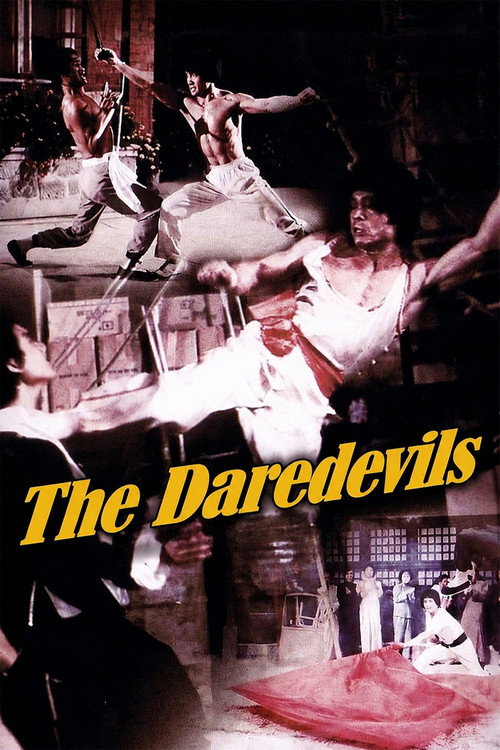
1979
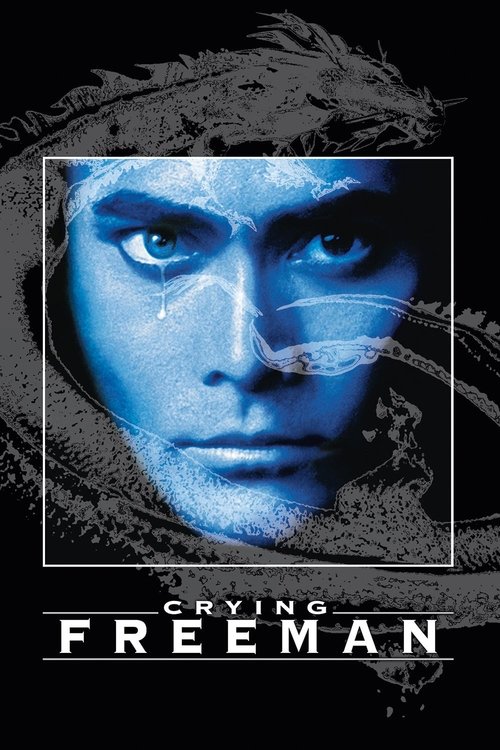
1995
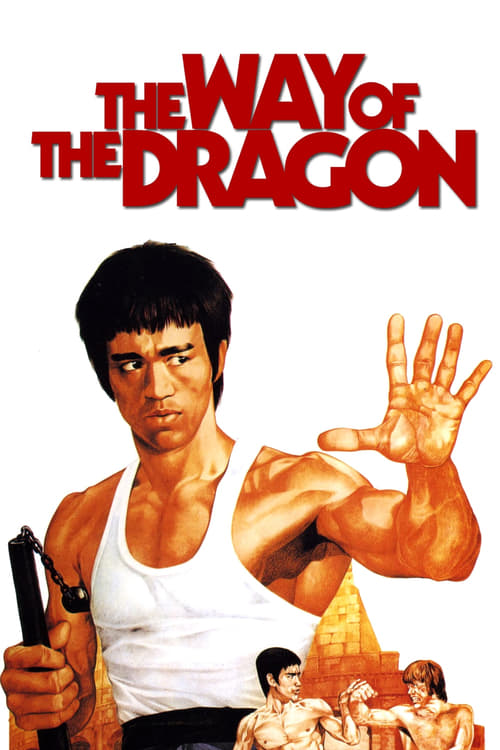
1972
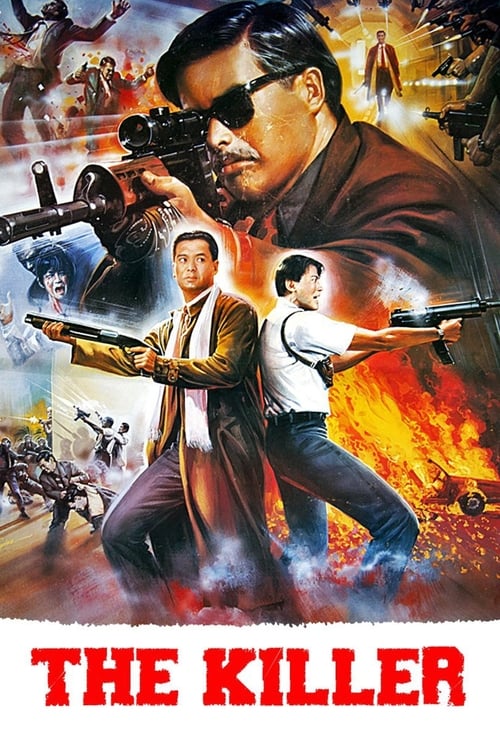
1989
No reviews yet. Be the first to share your thoughts on this movie!
Use the rating form above to leave a star rating and optional review.