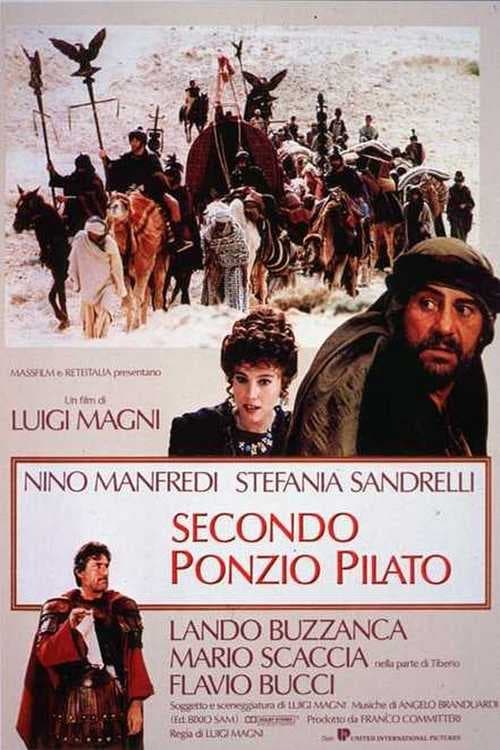
According to Pontius Pilate
1988
No user ratings available yet
Representation score: 6.2 out of 10
Representation Score
Fair
1990
Director
Luigi Magni
Runtime
112 minutes
Average Rating
No ratings yetNew Showbiz Analysis
Luigi Magni’s historical drama provides a strong critique of institutional authority. By focusing on the struggles of common citizens against a corrupt religious aristocracy, the film highlights the theme of liberation from theocratic control. While it lacks modern markers of diversity like LGBTQ+ or racial representation, it challenges traditionalist narratives through a secularist perspective. The work explores class and national identity during the mid-19th century, emphasizing socio-political tensions over contemporary social issues.
Category Breakdown
The film focuses on the 19th-century Risorgimento movement and republican sovereignty. There are no representations of LGBTQ+ identities or non-assuming gender matches what was assigned at birth gender expressions.
Women are shown as active participants in the revolutionary movement, but the political ability to act is mostly centered around male characters.
The cast is primarily homogeneous, reflecting the demographics of the 1840s Italian peninsula. The narrative emphasizes class and national identity over racial diversity.
The film criticizes the Catholic Church's temporal power, depicting the Papacy as an oppressive force and promoting secularist values.
There are no prominent depictions of physical or neurodivergent disabilities used as central character arcs or plot devices.
Present on Screen
Limited or Absent
Official Synopsis
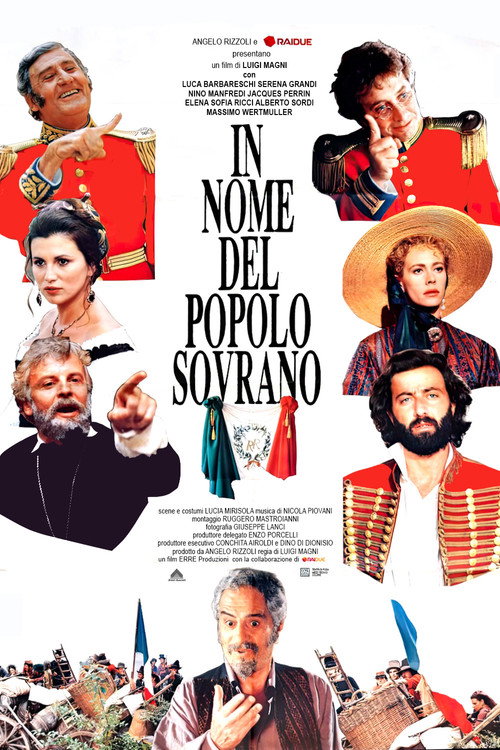
1849 - Ciceruacchio declares the Independent Republic of Rome, but the French and the Austrians try to bring back the Pope to Rome.
1988
1976
1955

2003
1974
1941
1954
1972
No reviews yet. Be the first to share your thoughts on this movie!
Use the rating form above to leave a star rating and optional review.