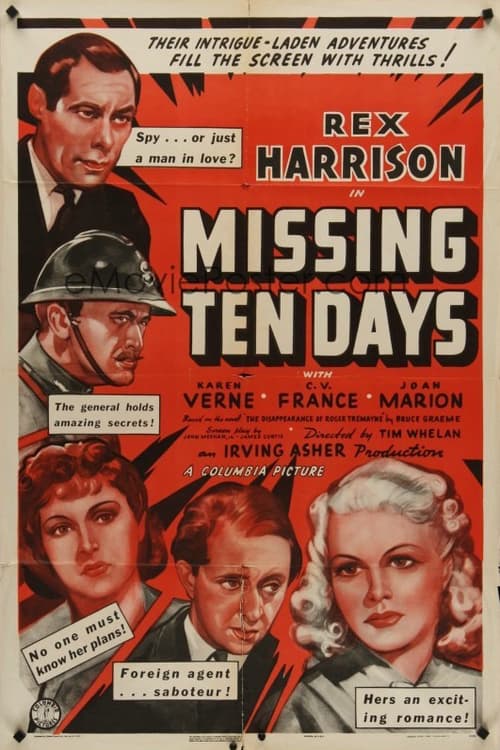
Ten Days in Paris
1940
No user ratings available yet
Representation score: 1.9 out of 10
Representation Score
Fair
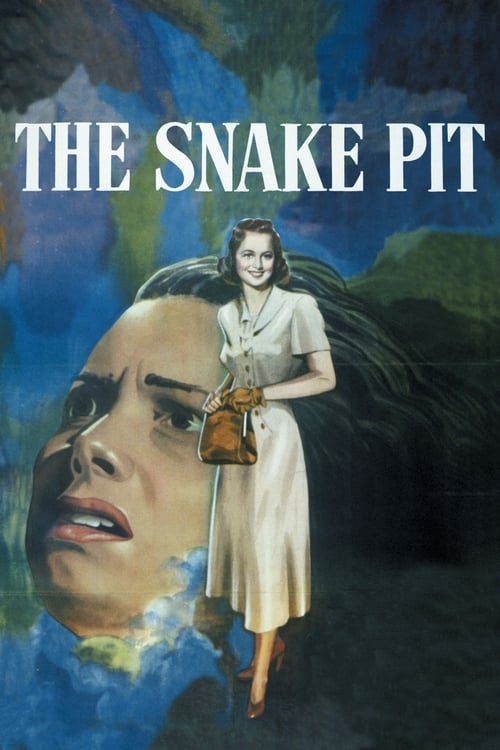
1948
ApprovedDirector
Anatole Litvak
Runtime
108 minutes
Average Rating
No ratings yetNew Showbiz Analysis
The Snake Pit stands out for its empathetic and empowering portrayal of mental health. By focusing on the internal experiences of Virginia Cunningham, the film avoids the sensationalism typical of mid-century melodramas. It uses the protagonist's neurodivergence to critique systemic institutional failures. However, the film is limited by the social norms of its time. It features a homogeneous, Anglo-centric cast with little racial or ethnic diversity. Additionally, it adheres strictly to the assumption that everyone is straight or cisgender. Ultimately, the film's strength lies in its critique of authority. It effectively challenges the competence of Western medical institutions, framing them as potentially oppressive structures that threaten individual identity.
Category Breakdown
The film does not include any LGBTQ+ characters or non-straight relationships. The central romance revolves around the protagonist's marriage.
The story centers on a woman's struggle for independence. Her psychological instability is portrayed as a response to external pressures, avoiding clichéd submissive clichés.
The cast is predominantly white, reflecting the casting norms of 1948. The film focuses on a middle-class, Anglo-centric setting with no significant racial or ethnic diversity.
The film critiques Western institutionalism through a sophisticated lens. It depicts the psychiatric asylum as a place where individuality is stripped away, highlighting systemic dehumanization.
The film treats neurodivergence with respect, showing the reality of psychiatric struggles as a difficult, non-linear journey. It critiques the medical-industrial complex without resorting to mockery.
Present on Screen
Limited or Absent
Official Synopsis
Virginia Cunningham is confused upon finding herself in a mental hospital, with no memory of her arrival at the institution. Tormented by delusions and unable to even recognize her husband, Robert, she is treated by Dr. Mark Kik, who is determined to get to the root of her mental illness. As her treatment progresses, flashbacks depict events in Virginia's life that may have contributed to her instability.
1940

1945

1966

1957

1964
1944

1942

1961
No reviews yet. Be the first to share your thoughts on this movie!
Use the rating form above to leave a star rating and optional review.