
Amnesia: The James Brighton Enigma
2005
No user ratings available yet
Representation score: 6.2 out of 10
Representation Score
Good
1987
RDirector
Mary Lambert
Runtime
97 minutes
Average Rating
No ratings yetNew Showbiz Analysis
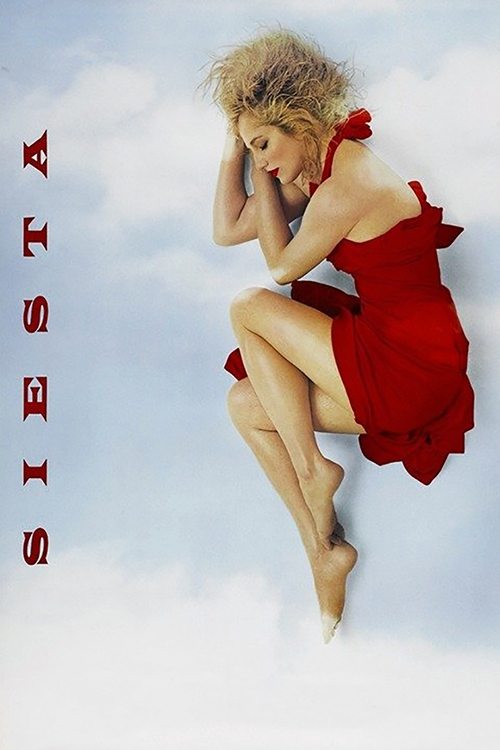
Siesta is a psychological thriller that prioritizes female subjectivity over traditional masculine investigative clichés. By centering on Claire's internal trauma and desire, the film disrupts the standard 'damsel in distress' archetype common in 1980s genre cinema. While the film excels in gender representation through its focus on female autonomy, it remains limited by the era's lack of diverse representation. The cast is largely Western-centric, and there is little explicit representation of LGBTQ+ identities. Ultimately, the film's strength lies in its refusal to use mental instability as a mere plot device, instead using it to explore the complexities of a woman's autonomy in a foreign environment.
Category Breakdown
The film focuses on intense interpersonal dynamics and the breakdown of traditional social roles. However, it does not include explicit stories featuring diverse gender identities. Instead, it explores fluid desire and psychological connections.
The film centers on a woman's internal state and physical autonomy, challenging traditional gender hierarchies. Claire drives the mystery through her own sensory experiences, rather than supporting a male character.
The cast appears primarily Western and Anglo-centric within a Spanish setting. There is no significant evidence of non-white majority casting or actors from diverse backgrounds.
The Spanish setting facilitates a narrative of displacement and deconstructed identity. The film avoids traditional moral frameworks in favor of psychological complexity and subjective truth.
The story explores neurocognitive instability through themes of memory loss and fragmentation. The protagonist maintains a significant role in the story while navigating her perceived mental impairment.
Present on Screen
Limited or Absent
Official Synopsis
American Claire wakes up blood-soaked and bruised at the end of a runway in Spain. As she tries to account for her state, she has flashbacks from the past few days. She thinks she's killed someone, but isn't sure, and now she's wandering the Spanish streets without money or a clear memory.
2005

2008

1995

1994

2022

1991

2023
2021
No reviews yet. Be the first to share your thoughts on this movie!
Use the rating form above to leave a star rating and optional review.