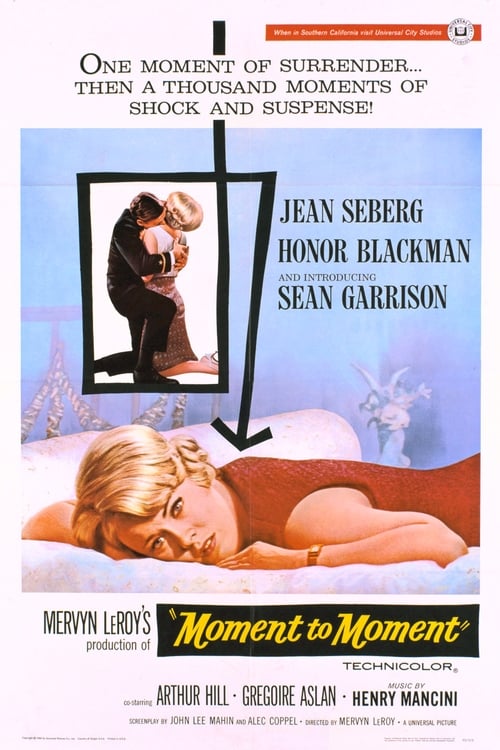
Moment to Moment
1966
No user ratings available yet
Representation score: 3.7 out of 10
Representation Score
Limited
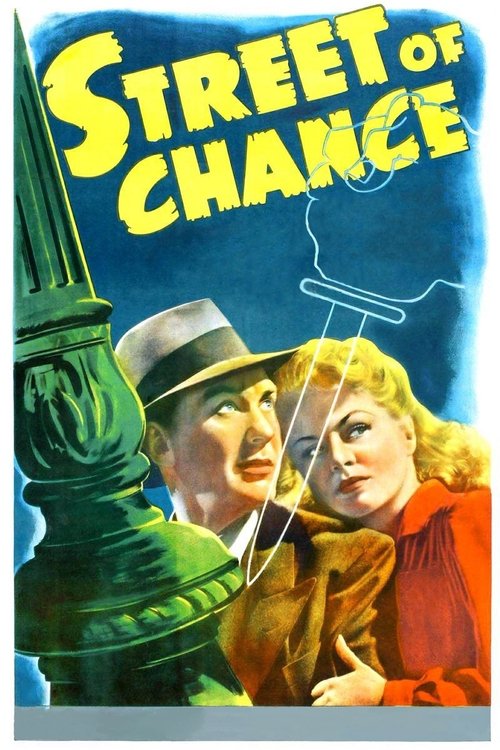
1942
NRDirector
Jack Hively
Runtime
74 minutes
Average Rating
No ratings yetNew Showbiz Analysis
Street of Chance is a product of the early 1940s studio system, deeply influenced by the social norms of its time. The film prioritizes a localized, urban mystery that follows standard genre conventions without challenging social hierarchies. The narrative structure centers on a male protagonist regaining control after physical trauma. This focus, combined with the era's casting norms, results in a lack of diverse representation. While the psychological elements of the Cornell Woolrich source material provide depth, the film remains within a traditional framework of Western morality and storytelling.
Category Breakdown
The film does not include any characters with non-binary gender identities or same-sex relationships. It follows the traditional assumption that everyone is straight and cisgender.
The story centers around a male protagonist who drives the mystery. Female characters mainly support or complicate the male lead's journey.
The film reflects the homogeneous casting practices of its time. There is no indication of diverse ethnic perspectives or a non-white majority cast.
The story operates within the conventions of mid-century American crime dramas. It emphasizes individual responsibility and traditional morality without critiquing Western institutions.
Amnesia and physical injuries are used as central plot devices to drive the mystery. The film does not explore neurodivergence as a lived identity in depth.
Present on Screen
Limited or Absent
Official Synopsis
In this Cornell Woolrich thriller, a man's memory is recovered after being injured by falling construction material. Discovering a year-long lapse, he returns to his old life and discovers a lot of mysterious happenings.
1966

1942
1987
1965
1948

1940

2005

1955
No reviews yet. Be the first to share your thoughts on this movie!
Use the rating form above to leave a star rating and optional review.