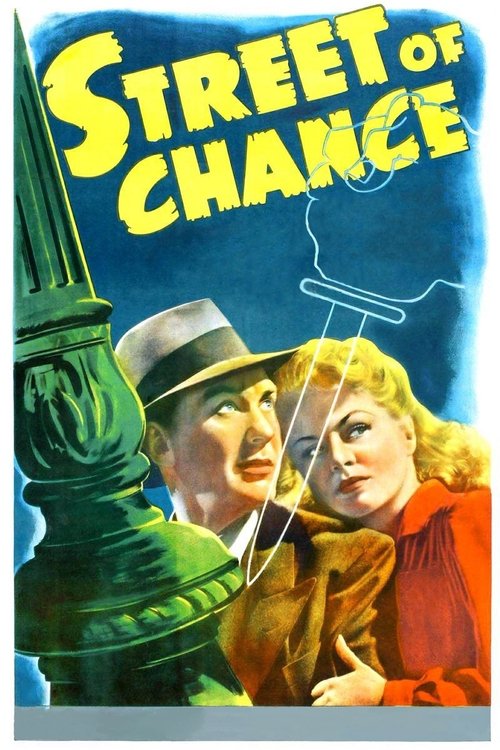
Street of Chance
1942
No user ratings available yet
Representation score: 3.3 out of 10
Representation Score
Limited
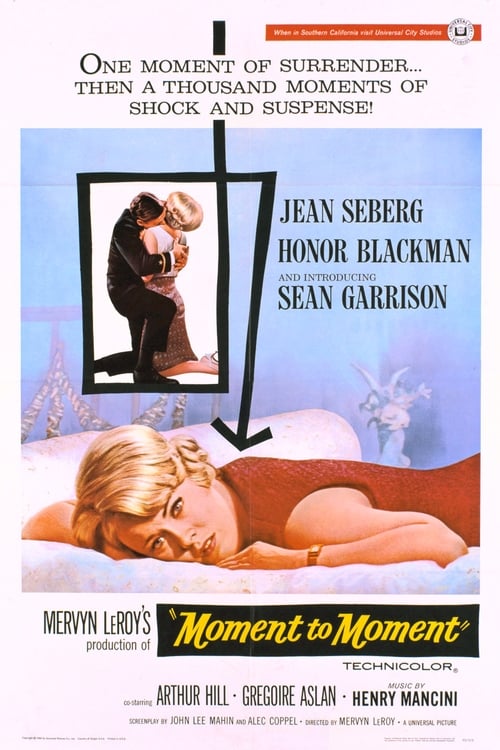
1966
NRDirector
Mervyn LeRoy
Runtime
108 minutes
Average Rating
No ratings yetNew Showbiz Analysis
Moment to Moment is a classic mid-century psychological drama. It focuses on detailed character studies and personal dramas rather than challenging social hierarchies or offering diverse perspectives. The film's strengths include a deep look at a woman's psychological experiences and internal struggles, providing more substance than just surface-level character development. However, it is limited by the conventions of its time. It lacks racial diversity, follows traditional assumptions about gender and relationships, and often frames female roles through psychological issues rather than empowerment.
Category Breakdown
The film follows traditional assumptions about straight relationships and gender matching assigned at birth. The main conflict revolves around marital infidelity, reinforcing old romantic ideas without exploring different gender identities.
The female lead gets significant attention, but her role is often defined by psychological issues. The story uses older ideas about women being unstable.
The cast is mostly white, which reflects typical industry practices from the time. There are no characters of color with major roles.
The story sticks to traditional Western storytelling methods. It focuses on personal psychological problems rather than critiquing Western institutions or broader societal issues.
The film looks at mental health and psychological issues through the main character's inner struggles. However, it stays tied to the period's views on psychological conditions.
Present on Screen
Limited or Absent
Official Synopsis
When an erring wife's supposedly dead lover turns up an amnesiac, it's her unsuspecting shrink husband who's enlisted to get those memories back.
1942

1945

1964
1965

1948

1948

1993

1991
No reviews yet. Be the first to share your thoughts on this movie!
Use the rating form above to leave a star rating and optional review.