Ten Days in Paris
1940
No user ratings available yet
Representation score: 1.9 out of 10
Representation Score
Limited
1966
NRDirector
Delbert Mann
Runtime
100 minutes
Average Rating
No ratings yetNew Showbiz Analysis
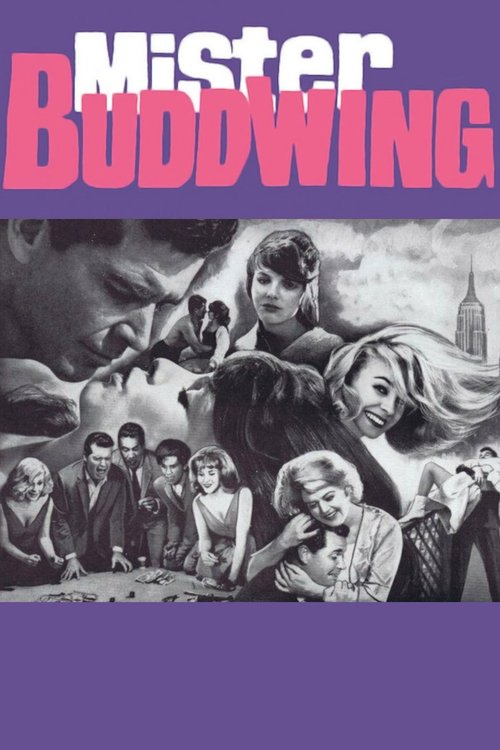
Mister Buddwing is a product of its time, focusing on individualist themes within a character-driven mystery. It prioritizes a singular male perspective using established noir conventions. The social framework is largely homogeneous, reflecting the mid-century focus on white, straight relationships. While it touches on themes of alienation, it does so through a traditional lens, lacking the intention to challenge social or gendered norms.
Category Breakdown
The film follows the 1960s standards where everyone is assumed to be straight or cisgender. There are no non-cisgender identities or same-sex relationships among the characters.
The story focuses on a male protagonist who navigates a world filled with female archetypes. Women often act as catalysts for the male lead rather than having independent roles.
The casting reflects the demographic uniformity typical of mid-century studio productions. The narrative lacks significant representation of non-Anglo-Saxon identities or diverse racial backgrounds.
The film explores themes of urban alienation through existentialist lenses. It maintains a traditional moral stance without challenging Western institutions or authority structures.
Amnesia is used as a central plot device to drive the mystery. The condition is treated as a functional obstacle rather than explored in depth as a cognitive disability.
Present on Screen
Limited or Absent
Official Synopsis
An amnesiac wanders the streets of Manhattan, trying to solve the mystery of who he is.
1940
1965
1966

1948
1942

1945
1964

1955
No reviews yet. Be the first to share your thoughts on this movie!
Use the rating form above to leave a star rating and optional review.