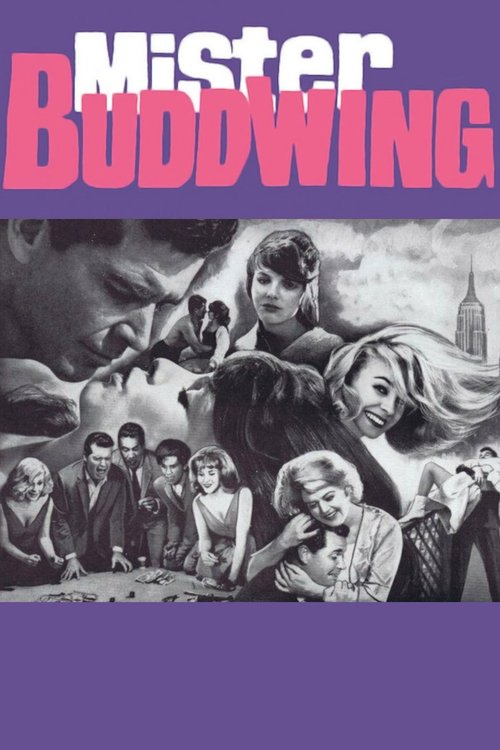
Mister Buddwing
1966
No user ratings available yet
Representation score: 2.9 out of 10
Representation Score
Limited
1964
ApprovedDirector
Alexander Singer
Runtime
94 minutes
Average Rating
No ratings yetNew Showbiz Analysis
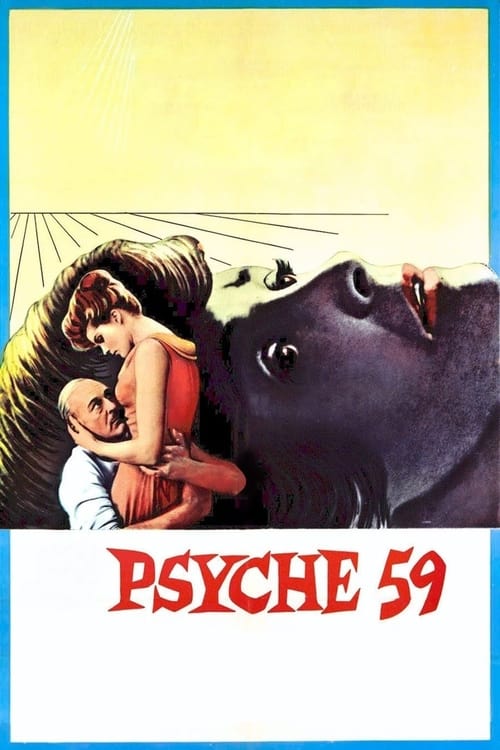
Psyche 59 is a mid-century psychological drama that operates strictly within the social conventions of 1964. It functions primarily as a character study centered on a woman's internal struggle with sensory perception and trauma. The film succeeds in giving its protagonist a complex internal life, moving beyond simple plot devices to explore the interplay between mind and body. However, this depth is confined to a very narrow, homogeneous social sphere. Ultimately, the film reinforces the era's established hierarchies, lacking the breadth or systemic critique needed to challenge traditional Western frameworks.
Category Breakdown
The story focuses on heterosexual relationships and marriage, with no representation of LGBTQ+ identities or queer perspectives.
Alison is a central, complex female character, while Robin disrupts patriarchal stability. Power dynamics remain tied to traditional structures.
The cast appears predominantly white and Western European, reflecting the era's social constraints without racial blending.
The film centers on Western values and the nuclear family, using the industrialist class as a backdrop for private psychological drama.
The film offers a nuanced look at psychosomatic blindness and psychological trauma but risks using disability as a symbol of psychological issues.
Present on Screen
Limited or Absent
Official Synopsis
An industrialist's wife tries to remember the shocking sight that made her blind.
1966
1948
1966

2008

1942

1965
1951
2023
No reviews yet. Be the first to share your thoughts on this movie!
Use the rating form above to leave a star rating and optional review.