
A Woman's Vengeance
1948
No user ratings available yet
Representation score: 1.6 out of 10
Representation Score
Limited
1951
Director
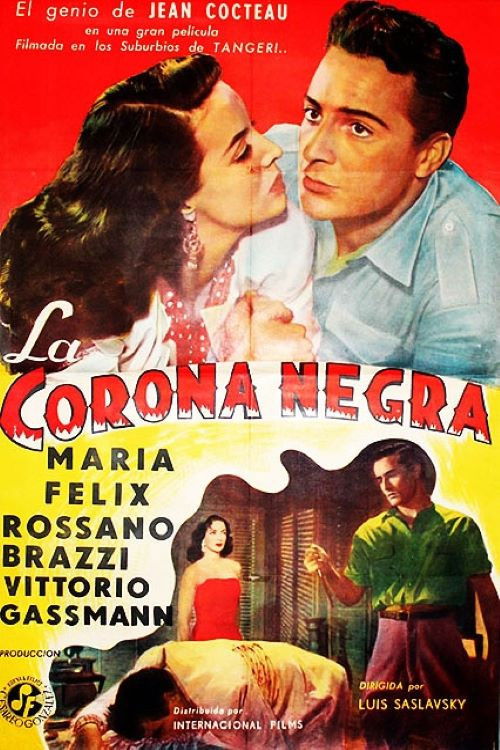
Luis Saslavsky
Runtime
106 minutes
Average Rating
No ratings yetNew Showbiz Analysis
Black Crown is a mid-century psychological thriller that prioritizes individual moral failings and romantic conflict over broader social critiques. While it centers on a female lead, the narrative remains tethered to the era's conventional genre clichés. The film's exploration of identity is driven by amnesia and infidelity, focusing on personal psychological turmoil. This approach utilizes character traits as tools for suspense rather than providing meaningful representation of diverse lived experiences. Ultimately, the production reflects the classical cinematic traditions of 1951 Argentine cinema, emphasizing high-production melodrama and traditional power dynamics.
Category Breakdown
The film focuses on a heterosexual relationship and marital conflicts. There are no non-assuming gender matches what was assigned at birth identities or narratives that challenge the assumption that everyone is straight or cisgender.
A woman serves as the central protagonist, though her role is complicated by amnesia. The plot relies on traditional gender clichés like the femme fatale within a marital structure.
The film appears to follow the era's standard of homogeneous casting. There is no indication of significant ethnic blending or race-bent casting in the narrative.
The story explores subjective morality through amnesia and guilt. It remains anchored in traditional dramatic structures rather than critiquing Western institutions or organized religion.
The protagonist suffers from amnesia, a cognitive impairment. This condition serves primarily as a plot device to facilitate mystery rather than exploring lived neurodivergent experience.
Present on Screen
Limited or Absent
Official Synopsis
A woman suffers from amnesia after killing her husband, who was just about to demand a divorce for having found her engaging in an affair with a lover, who is only interested in her to find where some precious jewels are hidden.
1948
1947
1942
1944
1952

1944
1946
1947
No reviews yet. Be the first to share your thoughts on this movie!
Use the rating form above to leave a star rating and optional review.