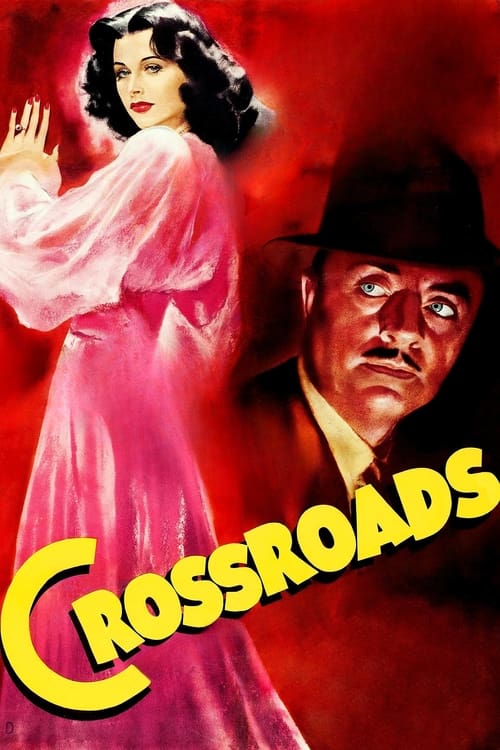
Crossroads
1942
No user ratings available yet
Representation score: 0.9 out of 10
Representation Score
Limited
1948
NRDirector
Terence Fisher
Runtime
90 minutes
Average Rating
No ratings yetNew Showbiz Analysis
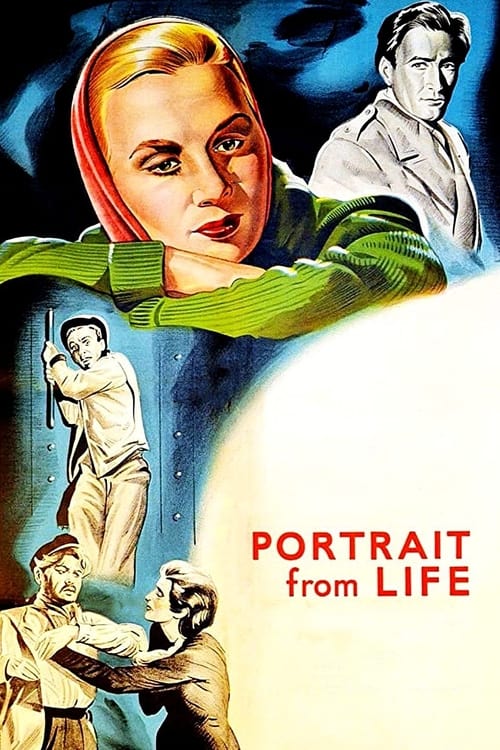
Portrait from Life is a conventional mid-century mystery-romance that adheres strictly to the cinematic standards of 1948. The plot follows a traditional quest structure driven by a male protagonist, which limits the scope of ability to act and character depth. The film relies on established genre clichés, such as using amnesia as a narrative engine. This approach prioritizes plot mechanics over a meaningful exploration of identity or disability. Ultimately, the work reflects the era's historical constraints, focusing on a homogeneous European setting and traditional gender hierarchies without challenging the social norms of the time.
Category Breakdown
The film focuses on a romantic relationship between a male officer and a female subject. There are no representations of LGBTQ+ identities or critiques of heterosexuality.
The narrative follows a traditional dynamic where the male protagonist takes a leading role. The female character has a more passive role as the object of his fascination.
Set with a British officer traveling to post-war Germany, the story likely centers on a predominantly white cast. It reflects the era's standard of white-centric storytelling.
The film operates within traditional Western narrative frameworks of romance and mystery. It aligns with the period's standard dramatic clichés without challenging Western values.
Amnesia serves as a central plot device. While this is a cognitive impairment, it functions as a mystery tool rather than a nuanced exploration of neurodivergence.
Present on Screen
Limited or Absent
Official Synopsis
A British army officer becomes fascinated by the portrait of a young woman. He travels to Germany to find her, only to discover that she is suffering from amnesia.
1942
1945
1947
1942
1950

1944

1948
1948
No reviews yet. Be the first to share your thoughts on this movie!
Use the rating form above to leave a star rating and optional review.