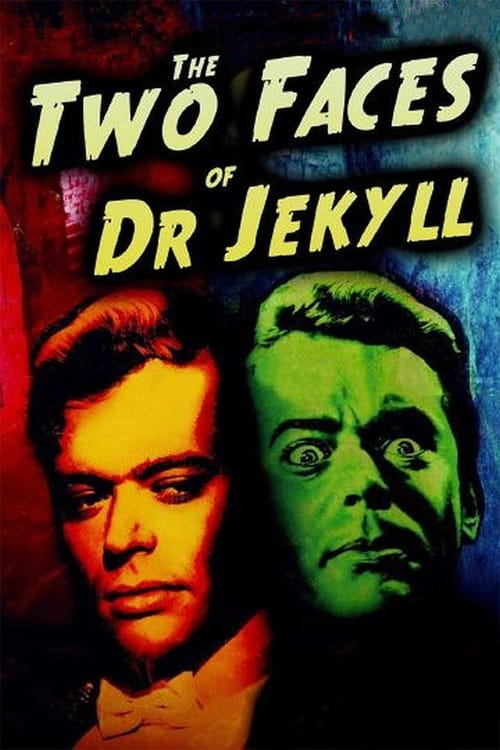
The Two Faces of Dr. Jekyll
1960
No user ratings available yet
Representation score: 1.4 out of 10

Representation Score
Limited
1971
PGDirector
Stephen Weeks
Runtime
70 minutes
Average Rating
No ratings yetNew Showbiz Analysis
I, Monster is a traditional psychological horror film that adheres to the social and cultural norms of the early 1970s. It explores identity and morality through a conventional lens, focusing on individual experiences within a homogeneous society. The film upholds the status quo of its time, avoiding disruption of gender, racial, or social hierarchies. It lacks the complexity and critical engagement found in more contemporary works. Overall, I, Monster exemplifies the typical British genre filmmaking of the era, centered on internal conflicts within a uniform social context.
Category Breakdown
The film focuses on a single male psychological struggle and does not include non-binary or LGBTQ+ narratives that challenge traditional gender roles.
The story primarily revolves around the male experience, particularly Dr. Marlowe's disintegration. It lacks meaningful roles for women, focusing instead on male-driven conflicts.
The production reflects the demographic homogeneity of 1970s British genre cinema. The cast is predominantly white, set within a culturally insulated, upper-class estate.
The film follows a traditional Western perspective, emphasizing individual morality and scientific arrogance. It portrays a wealthy, established social class without addressing broader societal issues.
The movie explores themes of mental instability and psychological fragmentation but relies on typical horror clichés of the 'mad scientist' rather than offering nuanced depictions of neurodivergence.
Present on Screen
Limited or Absent
Official Synopsis
Christopher Lee stars in this Amicus production of “Dr. Jekyll & Mr. Hyde” where the names have been changed to Dr. Marlowe and Mr. Blake. Lee as Dr. Marlowe experiments with intravenous drugs that are suppose to release inner inhibitions. So comes forth Mr. Blake (also Lee) who gets more monstrous with each transformation. Peter Cushing plays his friend and colleague, Dr. Utterson.
1960
1940
1979

1974
1972
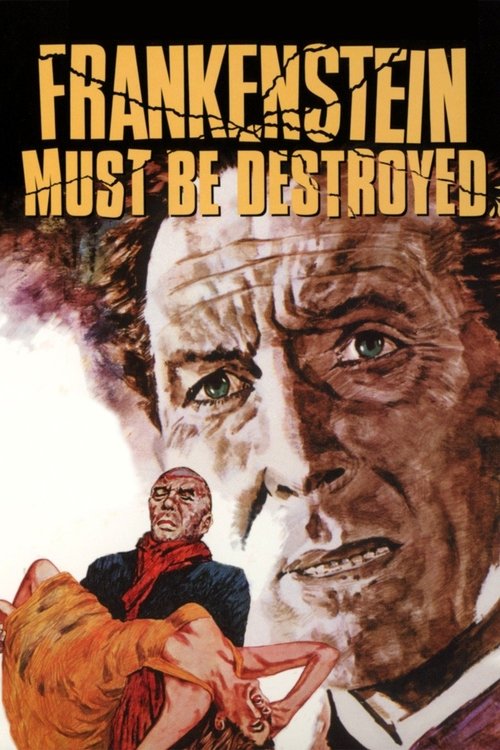
1969
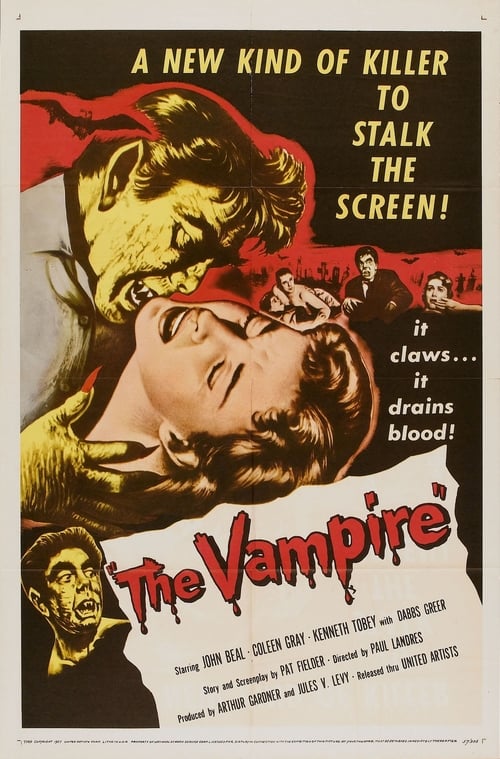
1957
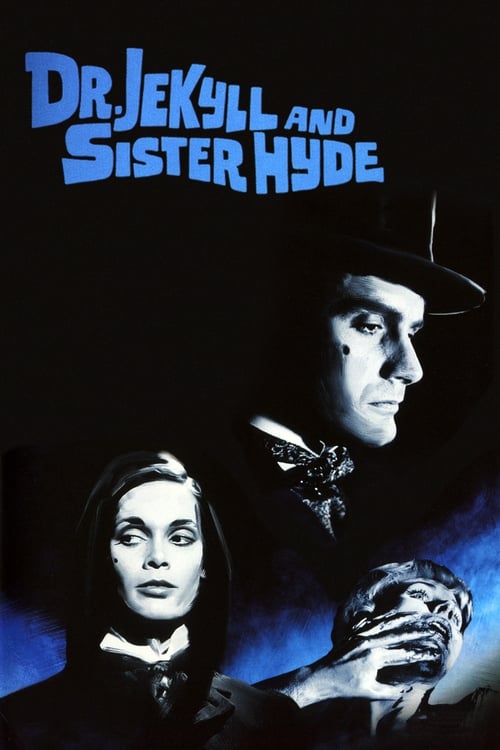
1971
No reviews yet. Be the first to share your thoughts on this movie!
Use the rating form above to leave a star rating and optional review.