The Incredible Melting Man
1977
No user ratings available yet
Representation score: 2.3 out of 10
Representation Score
Limited
1982
RDirector
Tonino Ricci
Runtime
90 minutes
Average Rating
No ratings yetNew Showbiz Analysis
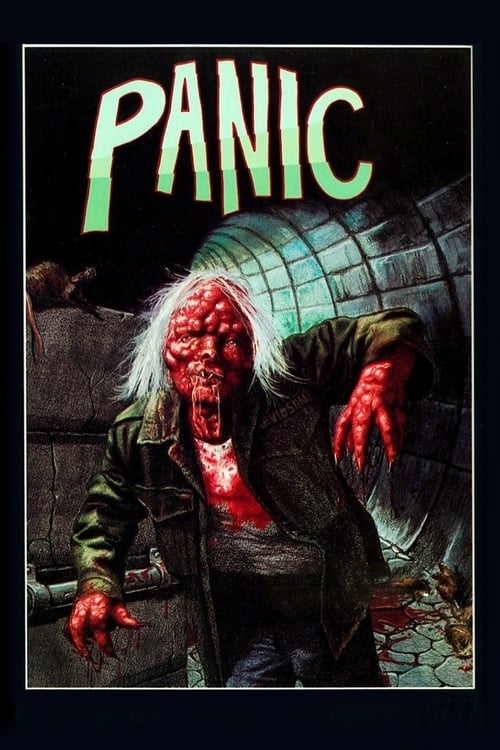
Panic is a conventional 1980s horror film that emphasizes genre clichés over social commentary. The narrative is driven by a single male protagonist, leaving little room for diverse perspectives or layered storytelling. The film relies on established horror archetypes, such as the deformed monster and the mad scientist, which often sideline identity in favor of spectacle. Consequently, the work lacks intentional efforts to challenge traditional social hierarchies. Ultimately, the film operates as a typical piece of European genre cinema, reflecting the limited demographic and social scope typical of its production period.
Category Breakdown
The film does not include non-straight or non-cisgender identities or same-sex relationships. It follows typical 1980s genre conventions that rarely show LGBTQ visibility.
The story focuses on a male scientist's journey and his role in driving the plot. Female characters seem to react to the male characters' actions rather than challenge traditional gender roles.
The film reflects the demographic norms of its time, likely featuring a homogeneous cast. There is no indication of a diverse cast or actors playing roles outside their traditional backgrounds.
The story centers on a biological disaster rather than a critique of societal structures. It uses the mad scientist cliché without questioning Western moral standards.
The protagonist's physical deformity serves as a catalyst for horror clichés. This portrayal risks showing physical differences as a source of fear rather than a nuanced character trait.
Present on Screen
Limited or Absent
Official Synopsis
A scientist's experiment with a deadly bacteria goes awry and leaves him horribly deformed. The monstrous man then runs amok in his town.
1977
1969
1990
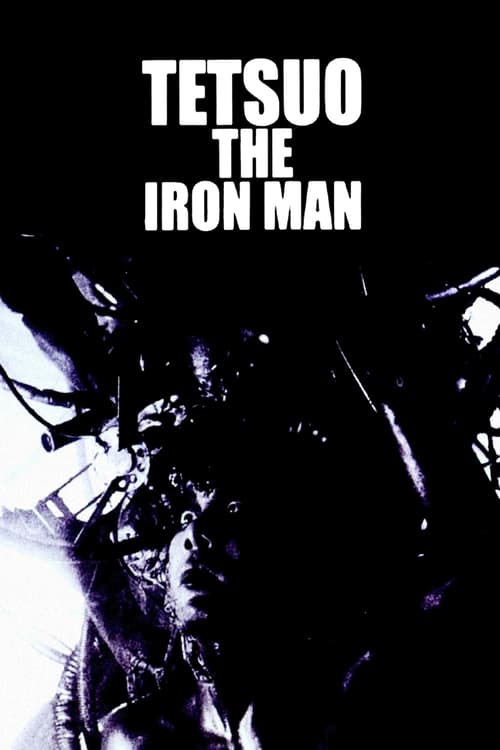
1989
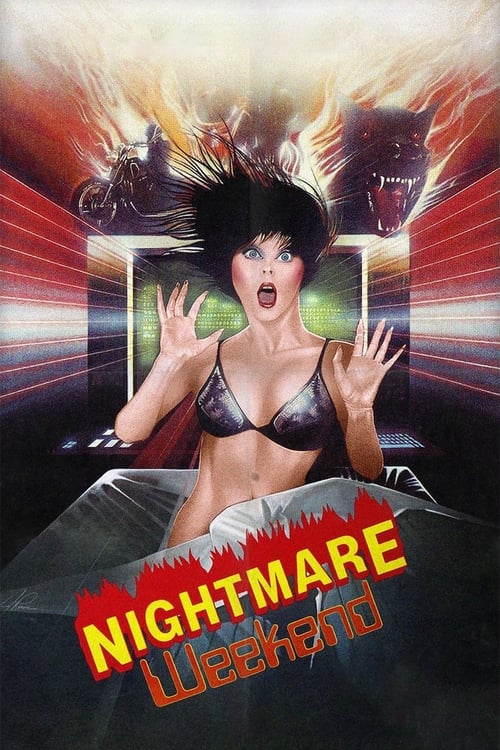
1986
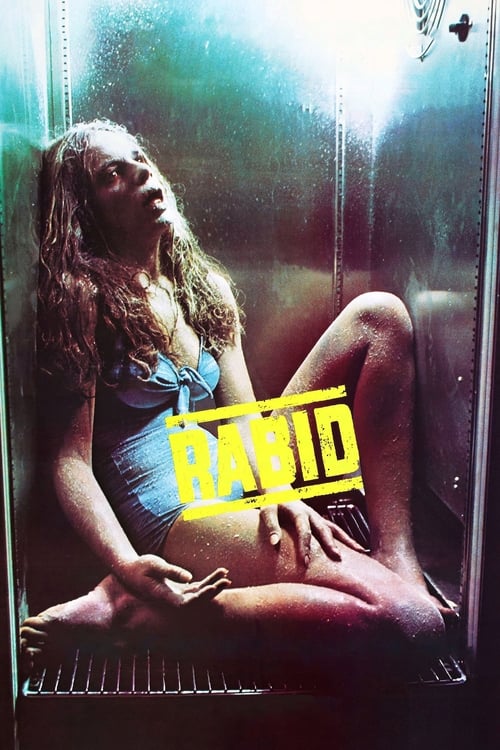
1977
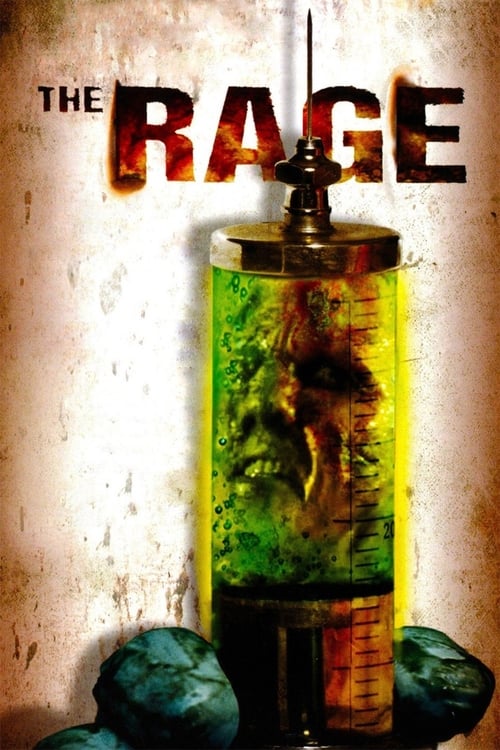
2007

1958
No reviews yet. Be the first to share your thoughts on this movie!
Use the rating form above to leave a star rating and optional review.