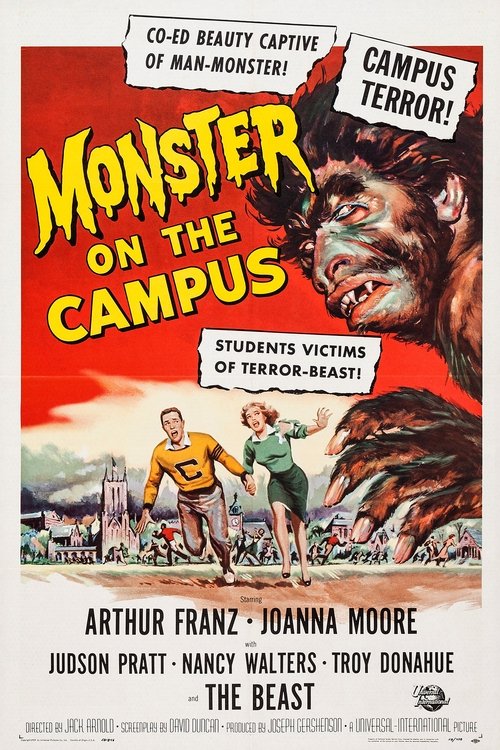
Monster on the Campus
1958
No user ratings available yet
Diversity score: 1.5 out of 10
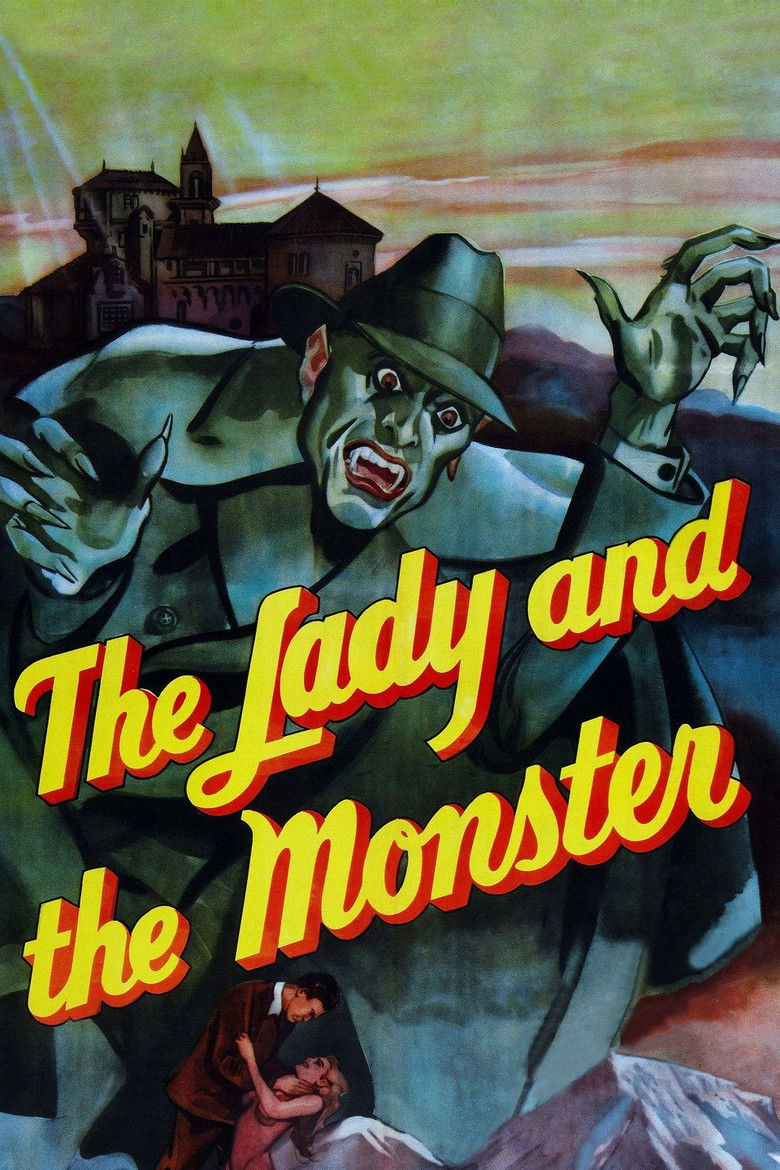
1944
Director
George Sherman
Runtime
86 minutes
Average Rating
No ratings yetSynopsis
A millionaire's brain is preserved after his death by a scientist and his two assistants, only to create a telepathic monster.
Overall Score
Limited
Category Breakdown
LGBTQ+ Representation
The film lacks any evidence of non-cisnormative identities or same-sex intimacy. It adheres to the heteronormative storytelling constraints typical of 1944 studio productions.
Gender Representation
While a female lead is suggested by the title, the plot is driven by male scientists. This reinforces traditional hierarchies where men hold technical authority and women serve as secondary emotional anchors.
Racial & Ethnic Diversity
The production reflects the homogeneous casting standards of the mid-1940s. It appears to follow the era's tendency toward white-centric casting and Anglo-Saxon depictions of scientific progress.
Religious & Cultural Diversity
The narrative operates within a traditional framework of Western scientific inquiry. It utilizes the 'mad scientist' trope to reinforce moralistic boundaries rather than deconstructing systemic power or institutions.
Disability Representation
Themes of bodily autonomy and altered states are used as horror devices. The telepathic monster serves as a cautionary tale of scientific overreach rather than a nuanced portrayal of disability.
Strengths
Areas for Improvement
AI Analysis
The Lady and the Monster is a standard 1940s genre piece that reinforces the social and demographic norms of its era. It relies on traditional narrative structures and conventional hierarchies rather than subverting them. The film's focus on male-driven scientific authority and its lack of diverse casting reflect the limitations of the Hollywood studio system during this period. It functions primarily as a cautionary tale within a narrow, Western-centric worldview. Ultimately, the work lacks intersectional complexity, prioritizing established genre tropes over progressive representation or social critique.
1958
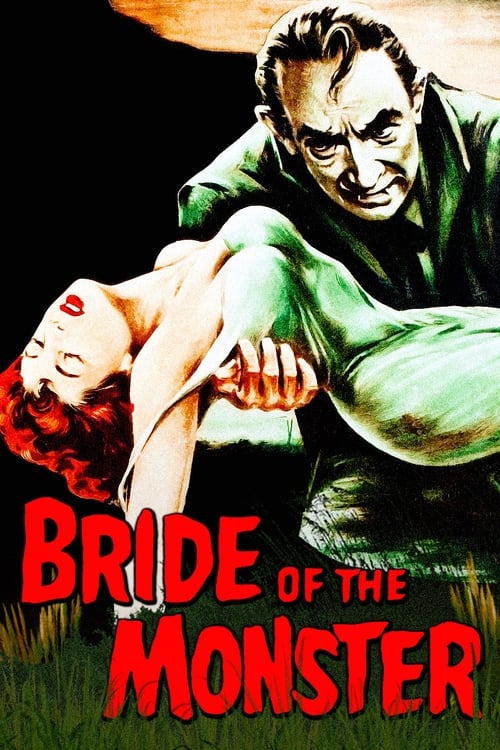
1955
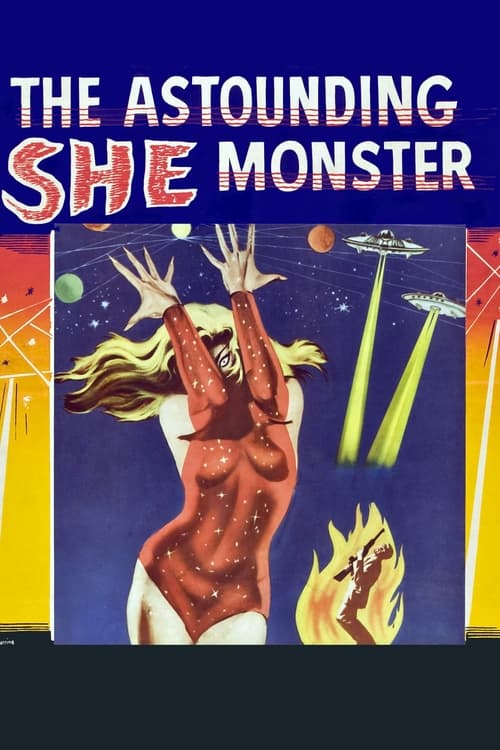
1957

1959
1958
1941
1957
1965
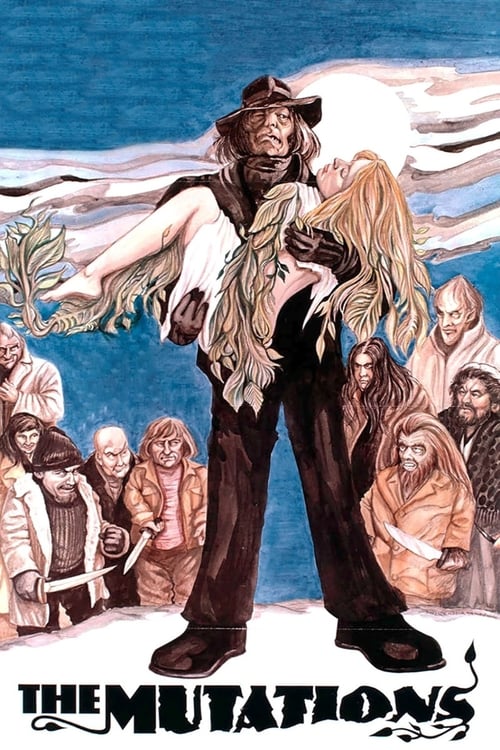
1974
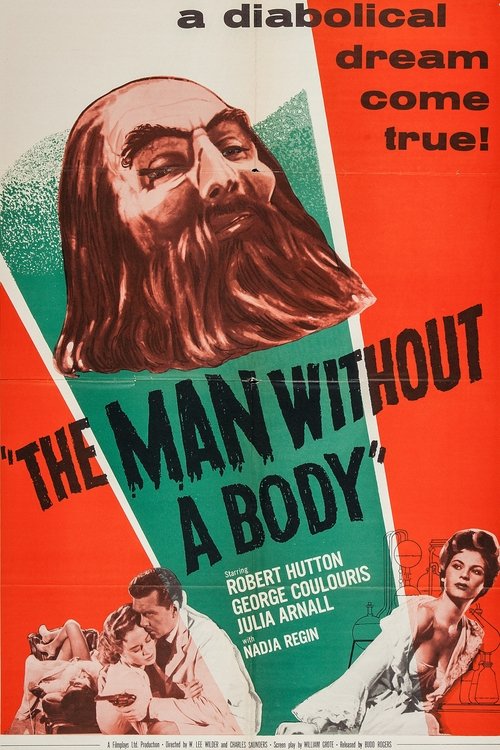
1957
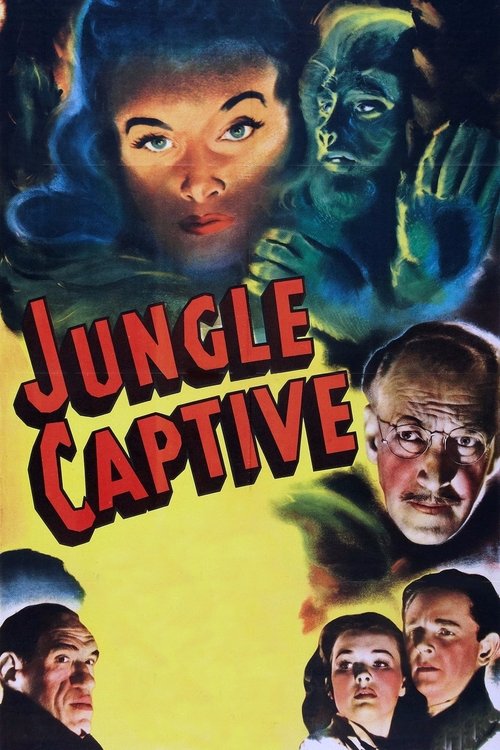
1945
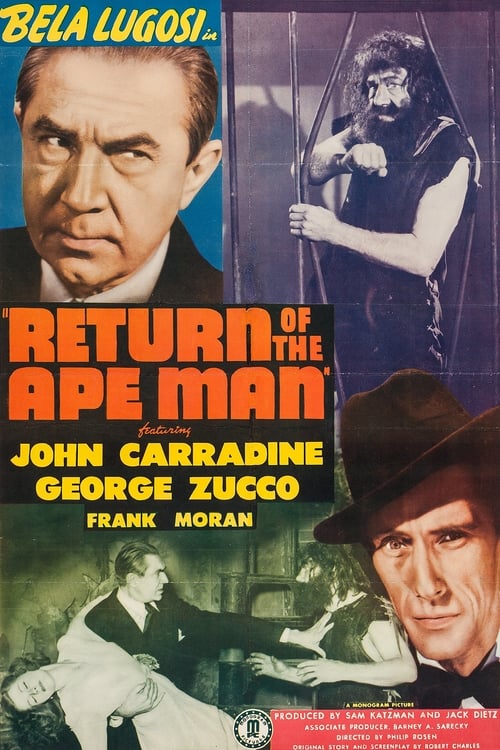
1944
No reviews yet. Be the first to share your thoughts on this movie!
Use the rating form above to leave a star rating and optional review.