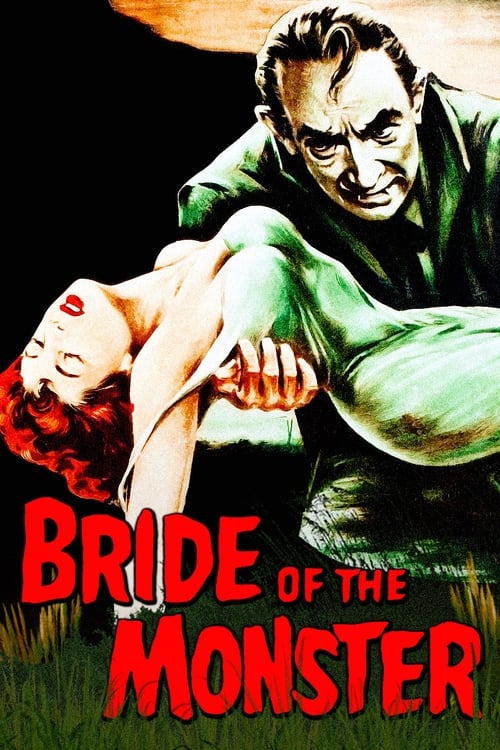
Bride of the Monster
1955
No user ratings available yet
Representation score: 2.3 out of 10

Representation Score
Limited
1959
Not RatedDirector
George P. Breakston, Kenneth G. Crane
Runtime
73 minutes
Average Rating
No ratings yetNew Showbiz Analysis
The Manster is a typical mid-century B-movie that prioritizes genre clichés over social complexity. It relies on established archetypes that reflect the era's limited perspective on identity and ability to act. While the setting offers a non-Western backdrop, the narrative remains firmly rooted in a Western worldview. The film focuses on biological horror and the preservation of social order rather than exploring diverse identities. Ultimately, the production maintains the status quo of 1950s science fiction, using character transformations as tools for terror rather than meaningful explorations of human diversity.
Category Breakdown
The film follows the strict social norms of the late 1950s and does not include any non-straight or non-cisgender identities. There is no indication of LGBTQ+ themes or subtext.
The film adheres to traditional mid-century gender roles. Men have prominent roles while women play supporting, reactive parts.
Set in Japan, the film presents a Western perspective on the setting. It uses the location primarily for atmosphere without delving into complex racial identities.
The story emphasizes traditional Western moral structures and centers around an American protagonist. It lacks any significant exploration of cultural or secularist viewpoints.
The two-headed transformation is portrayed as a horror cliché, emphasizing the condition as a source of fear rather than a nuanced depiction of disability.
Present on Screen
Limited or Absent
Official Synopsis
An American journalist stationed in Japan is given a mysterious injection by a mad scientist, turning him into a murderous, two-headed monster.
1955
1955

1954
1965

1965
1964
1958
1958
No reviews yet. Be the first to share your thoughts on this movie!
Use the rating form above to leave a star rating and optional review.