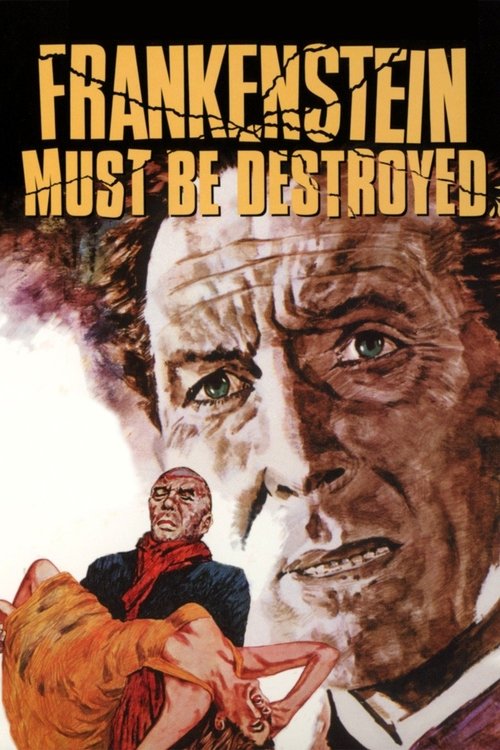
Frankenstein Must Be Destroyed
1969
No user ratings available yet
Representation score: 1.7 out of 10

Representation Score
Minimal
1974
RDirector
Terence Fisher
Runtime
95 minutes
Average Rating
No ratings yetNew Showbiz Analysis
Terence Fisher’s film is a quintessential Gothic horror that prioritizes traditional horror archetypes over social subversion. The narrative is driven by a male-led scientific pursuit that reinforces traditional hierarchies rather than challenging them. The production reflects the mid-1970s Hammer Horror standards, resulting in a culturally monolithic and racially homogeneous environment. It operates within a rigid framework of gender and morality that lacks diversity in identity or perspective. Ultimately, the film uses themes of neurodivergence and physical conditions to create tension and dread. It functions as a traditionalist exploration of scientific hubris rather than a tool for social deconstruction.
Category Breakdown
The film strictly follows traditional Gothic structures without including any non-assuming gender matches what was assigned at birth identities or same-sex relationships.
Male characters such as Baron Frankenstein have significant roles, while female characters often play secondary or passive roles within domestic or victimized situations.
The cast is predominantly white and European, lacking diverse ethnic perspectives or race-bent casting.
The story explores conflicts between secular science and moral authority through a classical lens. It does not critique Western institutions or systemic structures.
Mental instability and physical differences are used primarily as horror plot devices, serving the atmosphere of dread rather than providing nuanced representation of lived experiences.
Present on Screen
Limited or Absent
Official Synopsis
Dr Simon Helder, sentenced to an insane asylum for crimes against humanity, recognises its director as the brilliant Baron Frankenstein, the man whose work he had been trying to emulate before his imprisonment. Frankenstein utilises Helder's medical knowledge for a project he has been working on for some time. He is assembling a man from vital organs extracted from various inmates in the asylum. And the Baron will resort to murder to acquire the perfect specimens for his most ambitious project ever.
1969
1960
1958

1958

1970
1967
1964
1957
No reviews yet. Be the first to share your thoughts on this movie!
Use the rating form above to leave a star rating and optional review.