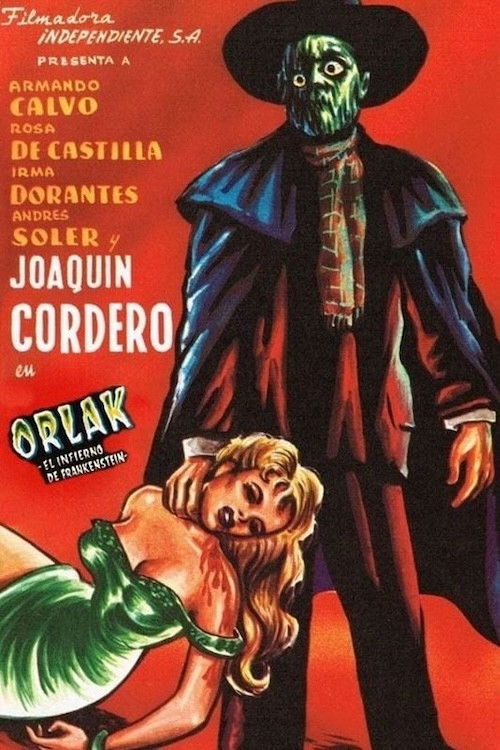
Orlak, the Hell of Frankenstein
1960
No user ratings available yet
Representation score: 4.0 out of 10
Representation Score
Limited
1965
Not RatedDirector
Jesús Franco
Runtime
99 minutes
Average Rating
No ratings yetNew Showbiz Analysis
Jesús Franco’s film is a product of its time, relying heavily on established Gothic horror clichés. It prioritizes atmospheric dread and traditional power hierarchies over any meaningful representation of diverse identities. The narrative centers on a homogeneous European cast and rigid gender roles. Female characters have little control over their fates, serving mostly as subjects of the protagonist's scientific experiments. While the film offers a critique of traditional morality through its protagonist, it fails to challenge demographic or social norms, staying true to the conventions of mid-century genre cinema.
Category Breakdown
The film adheres to typical 1960s Gothic horror standards and does not include any non-binary gender identities or queer themes. It remains focused on traditional heterosexual relationships.
Female characters mainly serve as victims or subjects of scientific experiments. The narrative emphasizes patriarchal structures, with power concentrated around the male protagonist's scientific authority.
Set within a European Gothic framework, the cast is predominantly white and homogeneous. The production reflects the era's Eurocentric settings and lacks significant racial diversity.
The film examines moral relativism through the mad scientist archetype. It questions traditional institutions by highlighting individualistic, obsessive quests for knowledge over established ethical boundaries.
The central monster cliché reduces physical differences to a mere plot device. The creature lacks independent ability to act, serving instead as a symbol of the protagonist's transgressions.
Present on Screen
Limited or Absent
Official Synopsis
A mad scientist creates a hideous monster to carry out his murderous plans...
1960

1974
1958
1960
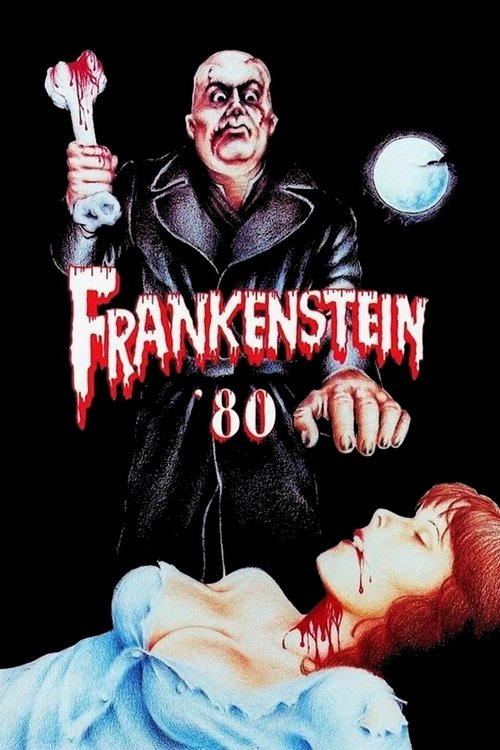
1972
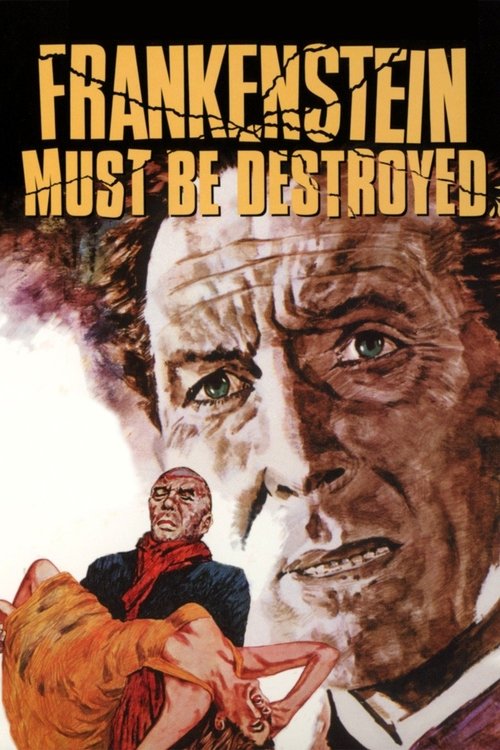
1969
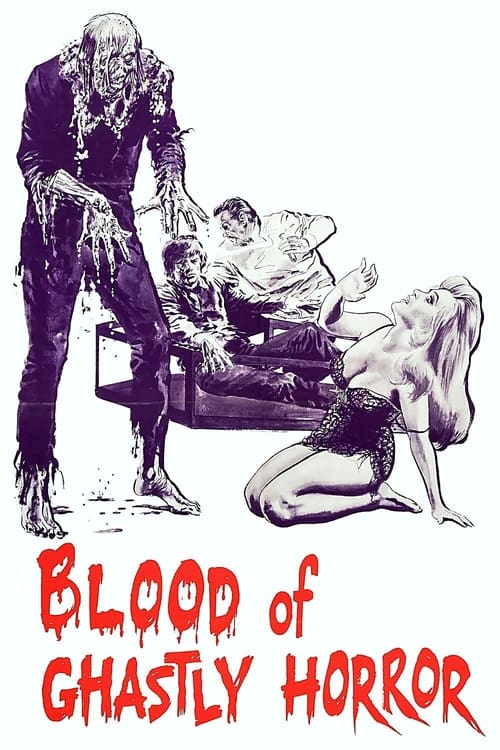
1967

1958
No reviews yet. Be the first to share your thoughts on this movie!
Use the rating form above to leave a star rating and optional review.