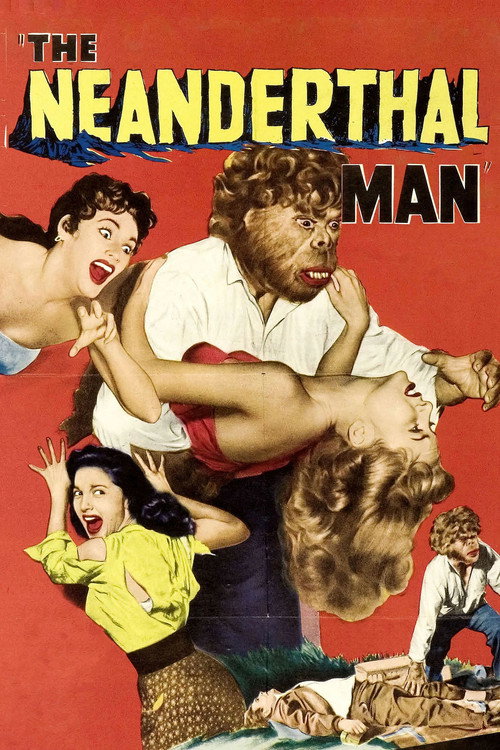
The Neanderthal Man
1953
No user ratings available yet
Representation score: 0.3 out of 10
Representation Score
Minimal
1958
ApprovedDirector
Jack Arnold
Runtime
77 minutes
Average Rating
No ratings yetNew Showbiz Analysis
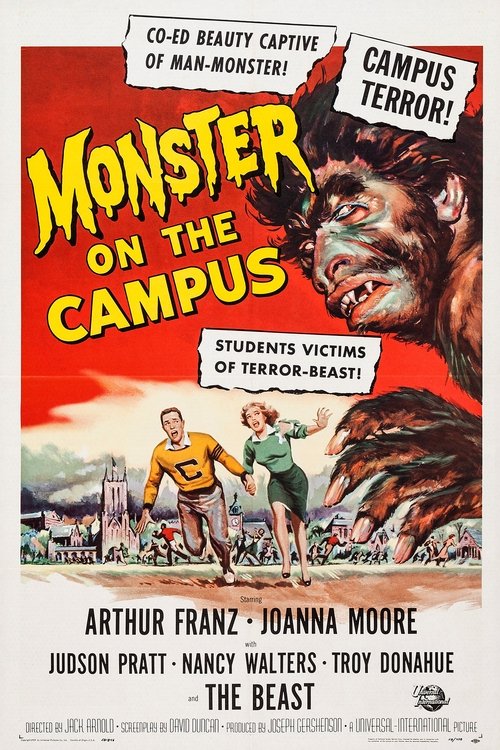
Monster on the Campus is a classic product of its time, functioning as a traditional genre piece. It reinforces existing social, racial, and gender hierarchies rather than challenging them. The narrative structure prioritizes suspense and cautionary tales over subverting systemic power dynamics. It adheres to the established norms of the 1950s. Ultimately, the film upholds mid-century institutional norms, focusing on the containment of biological anomalies within a stable, Anglo-centric academic setting.
Category Breakdown
The film does not include any non-straight or non-cisgender identities. Character interactions remain conventional without any queer undertones.
Men hold the primary roles in the film, with the professor being the main character. Women are limited to supporting roles as students or secondary figures.
The cast reflects the demographic uniformity typical of 1950s studio productions. The story centers on a white academic environment without characters of color.
The story upholds the values of the academic establishment and scientific rationalism. It avoids any critique of Western institutions or social order.
The protagonist's physical change is portrayed as a terrifying threat. It functions as a horror element rather than exploring the lived experience of disability.
Present on Screen
Limited or Absent
Official Synopsis
A college paleontology professor acquires a newly discovered specimen of a coelacanth, but while examining it, he is accidentally exposed to its blood, and finds himself periodically turning into a murderous Neanderthal man.
1953
1960
1958
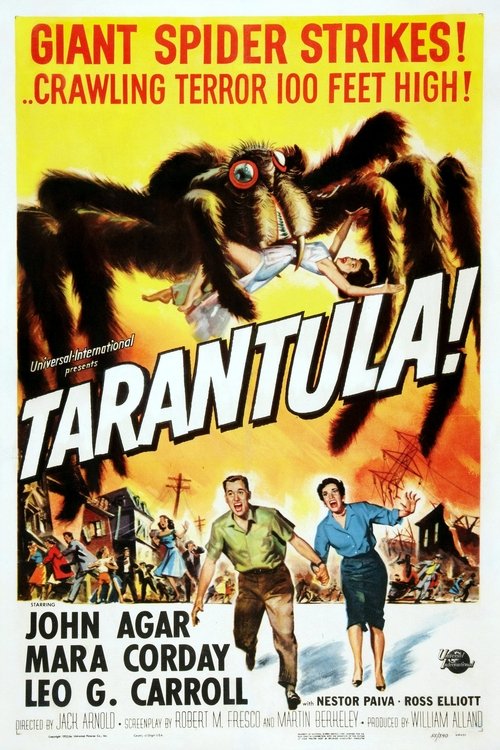
1955
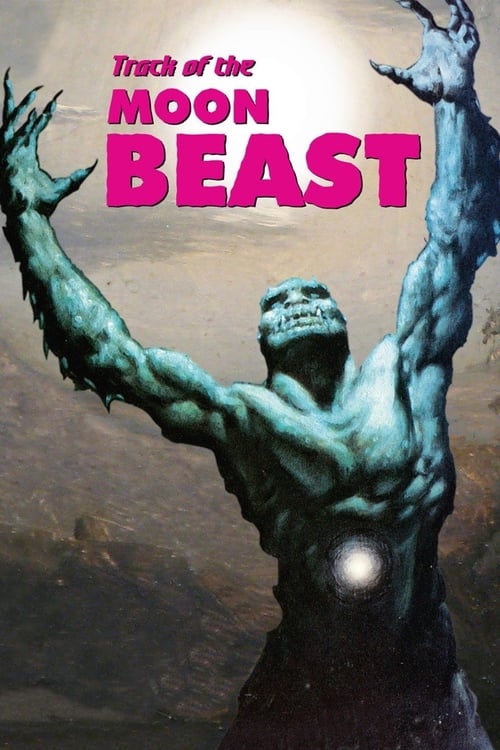
1976

1958
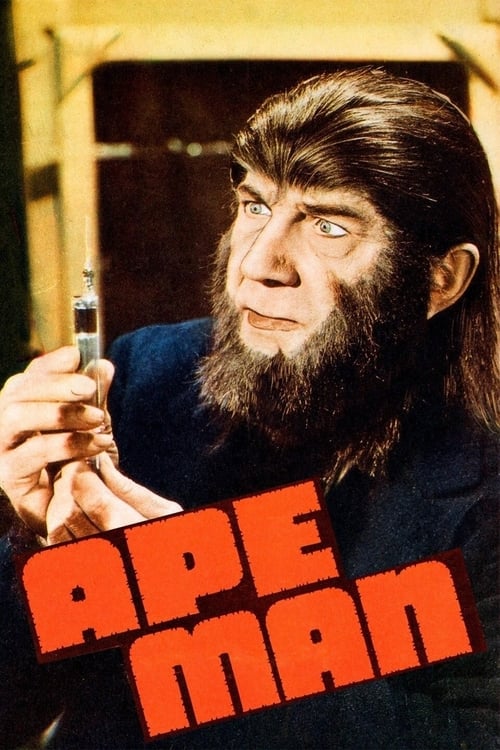
1943
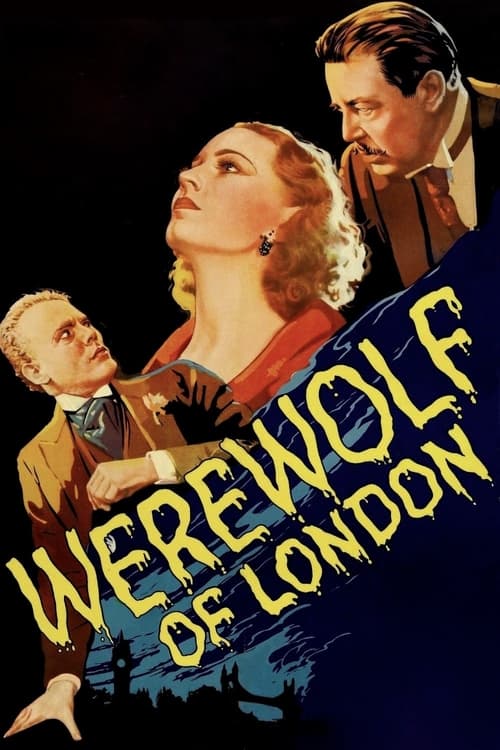
1935
No reviews yet. Be the first to share your thoughts on this movie!
Use the rating form above to leave a star rating and optional review.