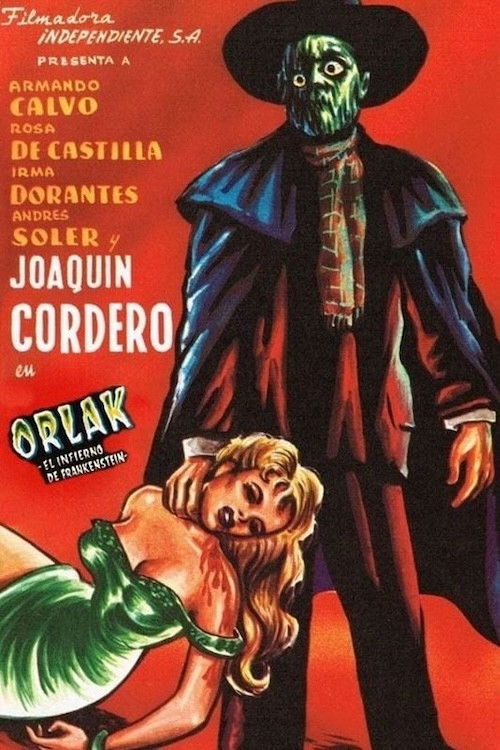
Orlak, the Hell of Frankenstein
1960
No user ratings available yet
Representation score: 4.0 out of 10
Representation Score
Minimal
1941
ApprovedDirector
George Waggner
Runtime
60 minutes
Average Rating
No ratings yetNew Showbiz Analysis
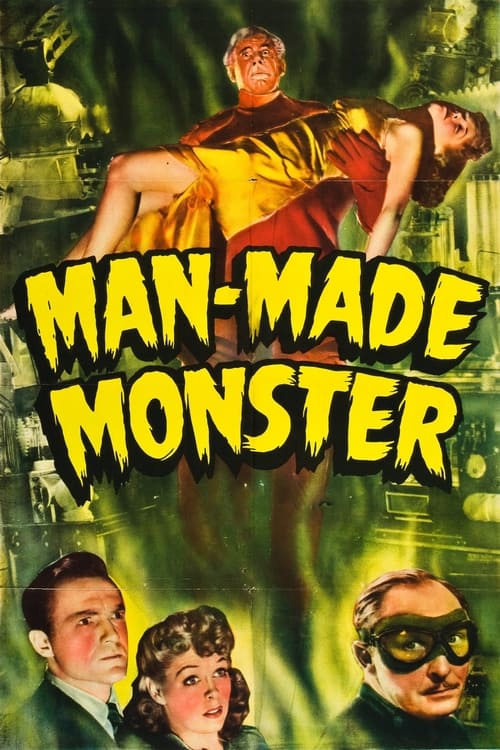
Man-Made Monster is a product of its time, serving as a traditional cautionary tale about scientific hubris. It adheres to the social structures of early 1940s Hollywood, reinforcing existing hierarchies rather than challenging them. The film lacks complexity in its portrayal of identity, focusing on a conventional moral arc where the 'monster' is portrayed as a disruptive force against social order, rather than a victim of systemic issues. Ultimately, it serves as a historical baseline for mid-century genre cinema, offering minimal engagement with diverse representation or the subversion of cultural norms.
Category Breakdown
The film assumes everyone is straight and cisgender, with no representations of LGBTQ+ identities or relationships.
The male protagonist holds the primary role in driving the story, while female characters mainly provide support or emotional connection within a patriarchal setup.
The cast reflects the homogeneity of the 1940s, lacking diversity and representing the dominant Anglo-Saxon population of the time.
The story follows a traditional Western moral framework, emphasizing a singular perspective on science and morality without questioning established norms.
The monster is used as a horror cliché to create tension, rather than providing a nuanced portrayal of disability. The creature does not have the depth needed for meaningful representation of disability.
Present on Screen
Limited or Absent
Official Synopsis
Mad scientist turns a man into an electrically-controlled monster to do his bidding.
1960
1960
1958
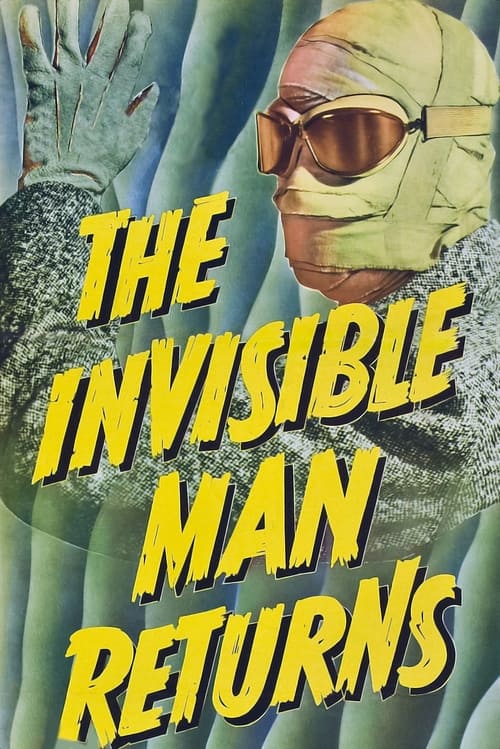
1940
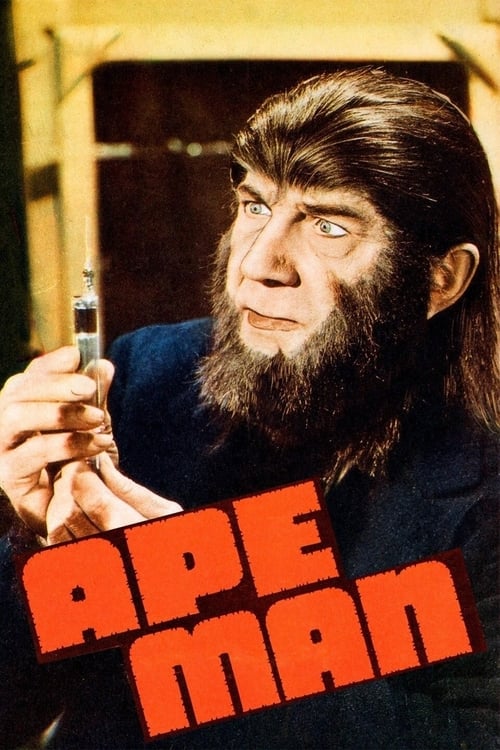
1943
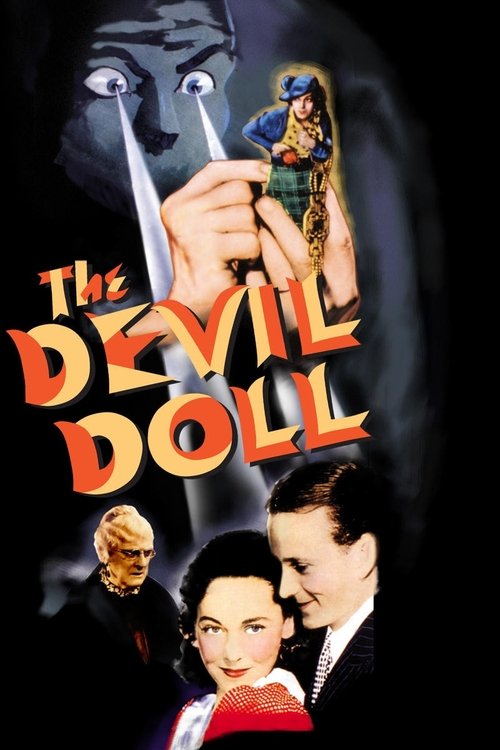
1936
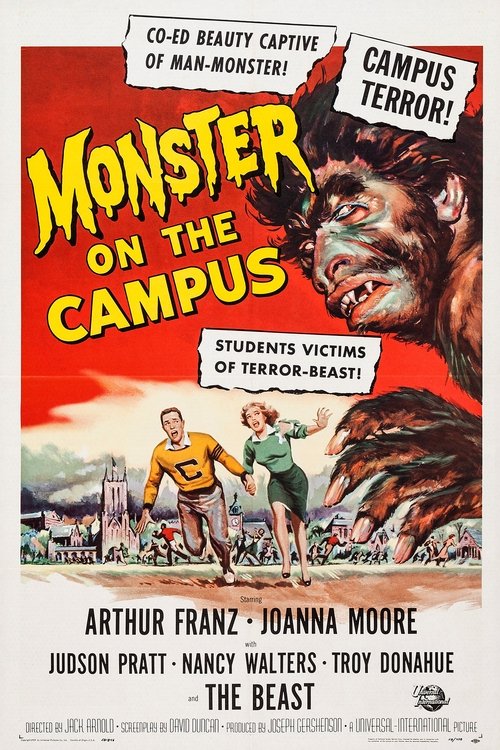
1958
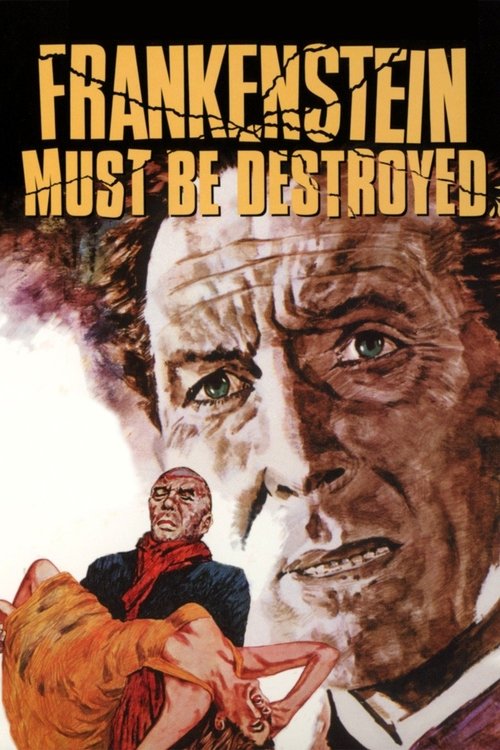
1969
No reviews yet. Be the first to share your thoughts on this movie!
Use the rating form above to leave a star rating and optional review.