
I Was a Teenage Frankenstein
1957
No user ratings available yet
Diversity score: 2.5 out of 10
1958
ApprovedDirector
Herbert L. Strock
Runtime
73 minutes
Average Rating
No ratings yetSynopsis
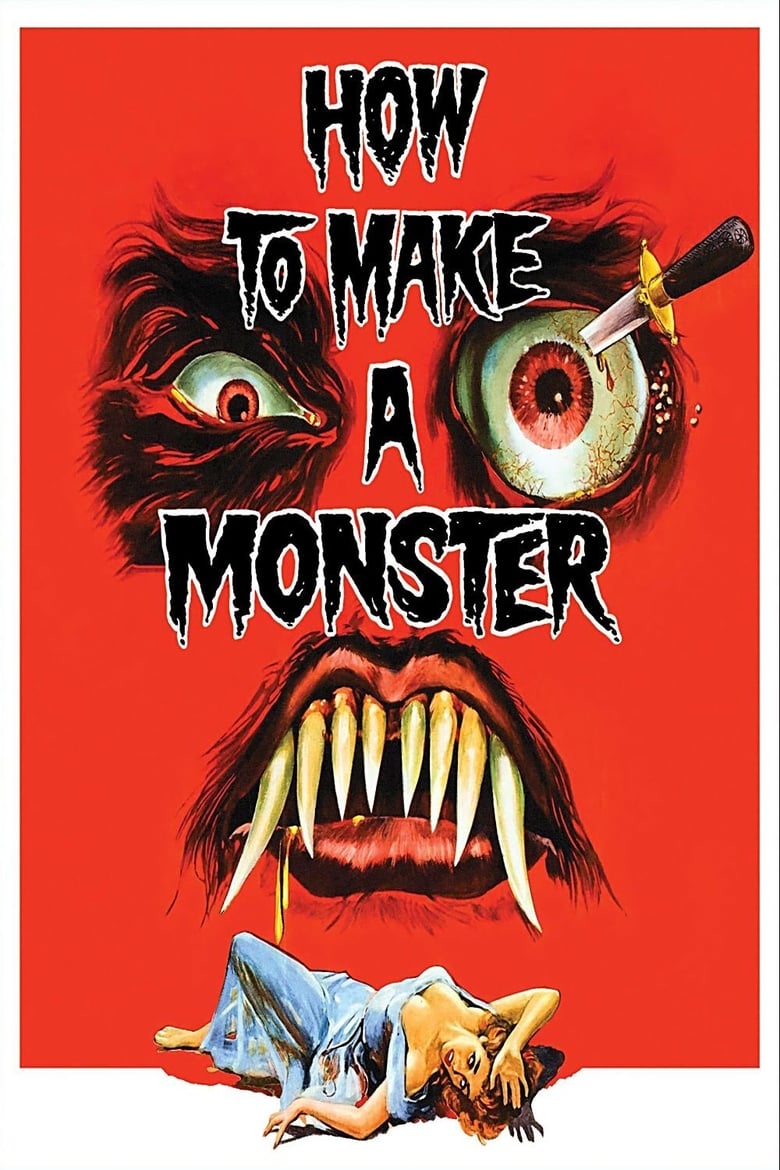
When master monster make-up man Pete Dumond is fired by the new bosses of American International studios, he uses his creations to exact revenge.
Overall Score
Limited
Category Breakdown
LGBTQ+ Representation
The film contains no depiction of non-heteronormative identities or queer subtext. Character dynamics remain strictly centered around traditional interpersonal structures.
Gender Representation
Narrative agency is concentrated almost exclusively in the male protagonist. Female characters are minimal and do not challenge traditional domestic or submissive archetypes.
Racial & Ethnic Diversity
The cast and setting reflect a homogeneous social environment. There is no evidence of racial blending or non-white protagonists within the production.
Religious & Cultural Diversity
The story operates within a framework of traditional Western values. It focuses on scientific hubris rather than critiquing systemic institutions or promoting moral relativism.
Disability Representation
There is no meaningful representation of neurodivergence or physical disability. The monster functions as a genre creature rather than a character study of disability.
Strengths
Areas for Improvement
AI Analysis
How to Make a Monster is a quintessential product of the late 1950s, prioritizing genre-driven horror over social commentary. The narrative architecture reinforces the era's standard hierarchies, focusing on the tension between scientific progress and human responsibility. The film functions as a closed system of mid-century morality. It lacks the intentionality required to disrupt conventional social expectations regarding identity or systemic power dynamics. Ultimately, the production reflects the homogeneous demographic norms of American International Pictures during this period, offering little in the way of intersectional exploration.
1957
1941
1965
1958
1959

1944
1955
1965
1957

1974
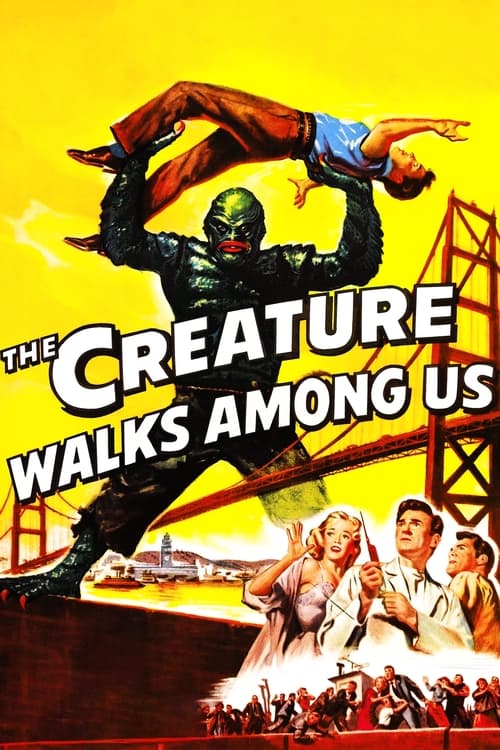
1956
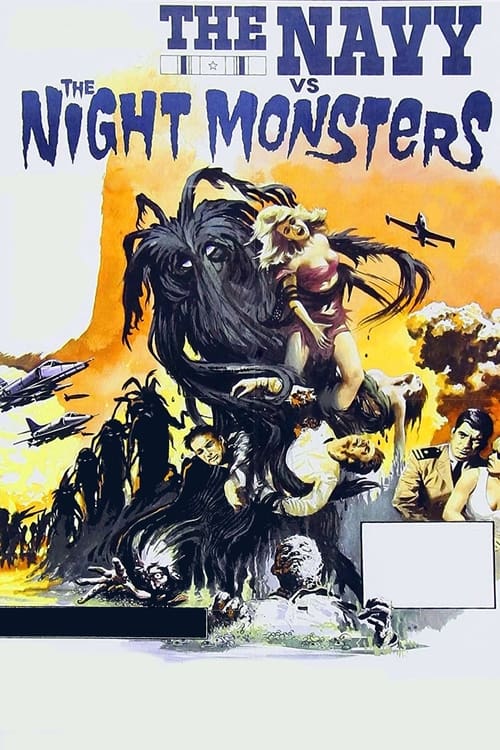
1966
No reviews yet. Be the first to share your thoughts on this movie!
Use the rating form above to leave a star rating and optional review.