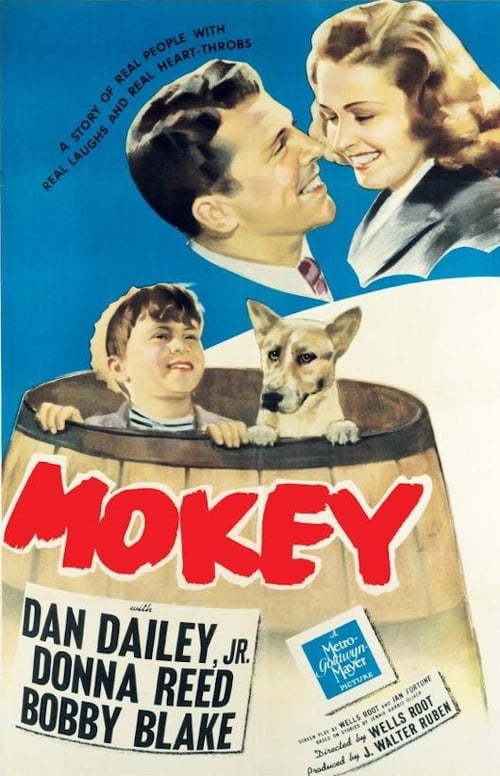
Mokey
1942
No user ratings available yet
Diversity score: 2.6 out of 10

1933
ApprovedDirector
Edward H. Griffith
Runtime
77 minutes
Average Rating
No ratings yetSynopsis
A newlywed discovers that she and her husband's snobby family speak different languages.
Overall Score
Limited
Category Breakdown
LGBTQ+ Representation
The film operates within conventional romantic frameworks typical of the early 1930s. There are no visible LGBTQ+ characters or narratives addressing non-cisnormative identities.
Gender Representation
A female protagonist drives the narrative as she navigates marriage and social complexities. However, the story focuses on domestic etiquette rather than disrupting traditional gender hierarchies or providing significant female agency.
Racial & Ethnic Diversity
The production reflects the homogeneous social strata of the 1933 studio system. It lacks non-white or non-Anglo-Saxon representation, focusing instead on class distinctions within a narrow demographic.
Religious & Cultural Diversity
The plot critiques social snobbery and rigid class hierarchies. It does not engage with secularist themes or challenge the foundational Western institutions of the era.
Disability Representation
There is no documented evidence of physical or neurodivergent disabilities being portrayed in this work.
Strengths
Areas for Improvement
AI Analysis
Another Language is a period piece that prioritizes class-based social friction over intersectional complexity. While it offers a critique of elitism through the lens of a newlywed facing a snobby family, the narrative remains tethered to the conventional storytelling norms of early 1930s American cinema. The film lacks representation for marginalized identities, focusing almost exclusively on the interpersonal dynamics of a homogeneous social group. It functions more as a study of social mores than a subversive work of social commentary. Ultimately, the film's scope is limited to the domestic and social navigation of its era, offering little in the way of systemic critique or diverse perspectives.
1942
1934
1932
1931
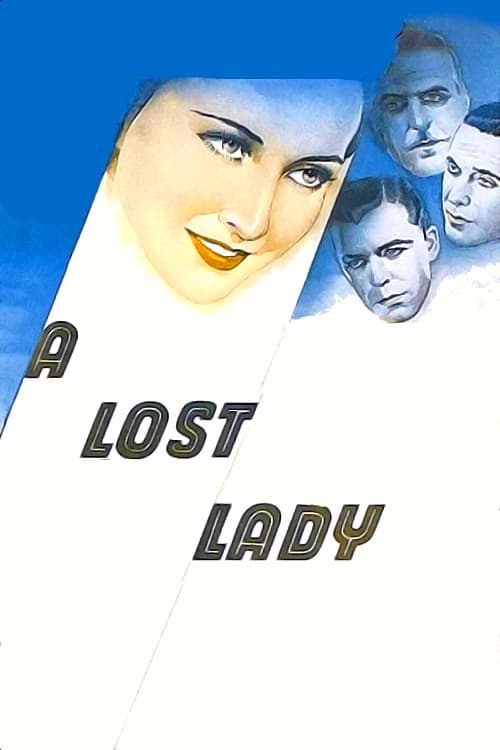
1934

1936

1936
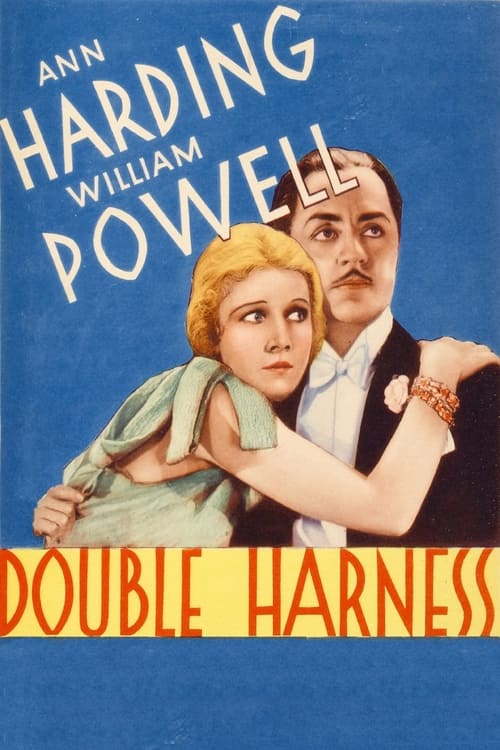
1933
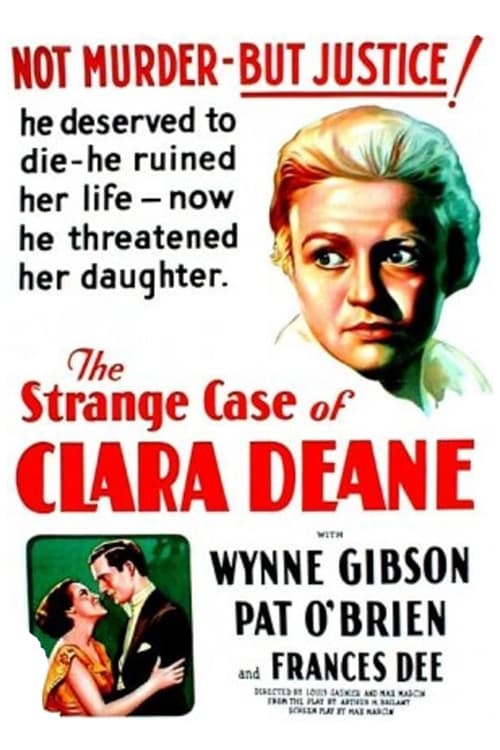
1932
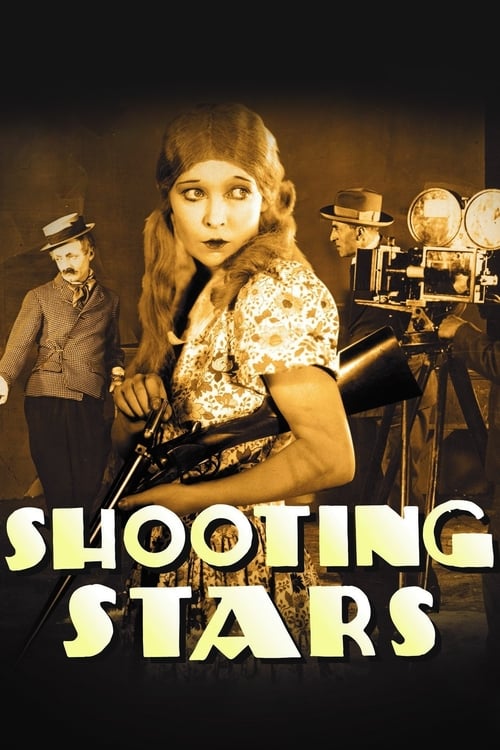
1928
1934
1934
No reviews yet. Be the first to share your thoughts on this movie!
Use the rating form above to leave a star rating and optional review.