Rebound
1931
No user ratings available yet
Representation score: 2.8 out of 10
Representation Score
Minimal
1934
PassedDirector
Worthington Miner
Runtime
67 minutes
Average Rating
No ratings yetNew Showbiz Analysis
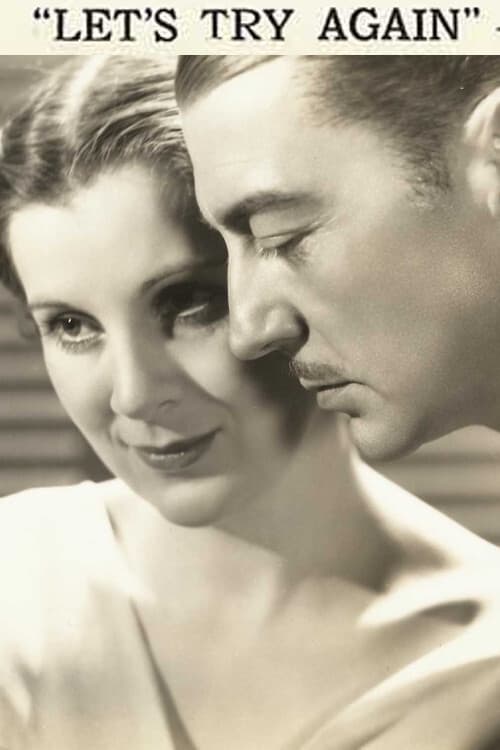
Let's Try Again is a conventional domestic drama set in the mid-1930s. The plot centers on the romantic and marital struggles of a long-term couple, emphasizing individual ability to act within established social norms. The film lacks diversity, focusing on a narrow, traditional view of domestic life without critiquing broader societal structures. It reflects the homogeneous social landscape of its time, centered on marital stability and emotional complexities.
Category Breakdown
The film focuses solely on the marital issues of a heterosexual couple and does not include any representation of LGBTQ+ identities or perspectives.
The story revolves around a ten-year marriage and the decision to divorce, without challenging traditional gender roles or masculinity.
Reflecting the cinematic norms of 1934, the cast and setting appear to mirror the homogeneous social structures of the era. No significant non-white representation is present.
The film explores themes of marriage and personal conflict within a Western context, without addressing religious, capitalist, or state-related critiques.
There is no information about characters with disabilities, either visible or invisible.
Present on Screen
Limited or Absent
Official Synopsis
To divorce, or not to divorce. That is the question pondered by a married couple of 10 years who miss their burning desire for each other (Clive Brook and Diana Wynyard) in this 1934 film directed by Worthington Miner.
1931
1952
1931
1939
1934
1939
1951
1937
No reviews yet. Be the first to share your thoughts on this movie!
Use the rating form above to leave a star rating and optional review.