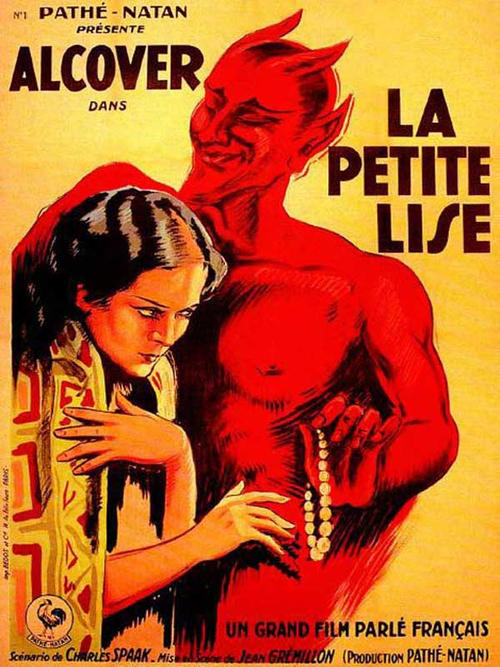
Little Lise
1930
No user ratings available yet
Representation score: 1.7 out of 10
Representation Score
Minimal
1934
ApprovedDirector
Karl Freund
Runtime
70 minutes
Average Rating
No ratings yetNew Showbiz Analysis
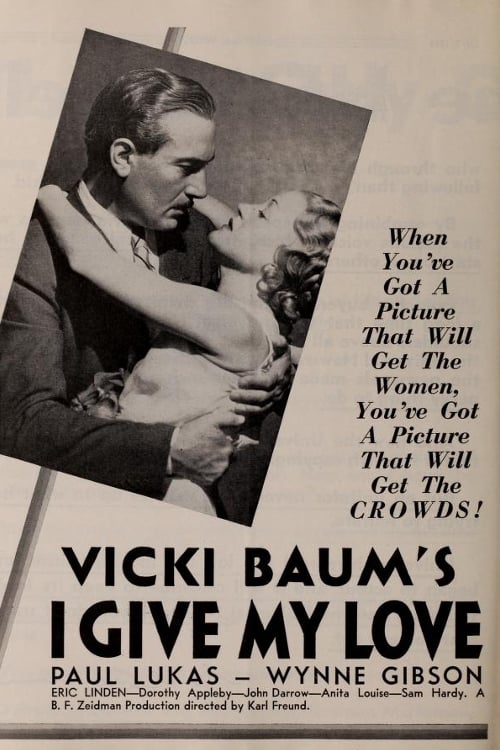
I Give My Love is a period-specific melodrama that reinforces traditional social structures and moral causality. The narrative centers on a female protagonist, but her role is defined by domestic tragedy and maternal sacrifice rather than systemic disruption. The film lacks multi-layered complexity, focusing instead on a linear, high-stakes emotional arc. It reflects the cinematic and social constraints of 1934, prioritizing conventional Western values and straight-centered family dynamics.
Category Breakdown
The film focuses on a traditional family structure with a husband, wife, and son. There are no LGBTQ+ or non-binary gender identities represented.
Judy drives the emotional weight as a female protagonist. However, her role is defined by maternal protection and reactive survival rather than challenging gender hierarchies.
The narrative suggests a conventional Western setting typical of 1930s productions. It likely adheres to the homogeneous casting standards of the era.
The plot operates within a traditional moral framework centered on family stability. It emphasizes maternal bonds and the consequences of legal and social structures.
There is no mention of physical, sensory, or neurodivergent characters within the story.
Present on Screen
Limited or Absent
Official Synopsis
After accidentally killing her no-good husband, Judy makes her true love promise not to tell her small son about his imprisoned mother. She is released ten years later...
1930

1938

1939

1928

1942

1949
1938

1931
No reviews yet. Be the first to share your thoughts on this movie!
Use the rating form above to leave a star rating and optional review.