A Lost Lady
1934
No user ratings available yet
Diversity score: 2.8 out of 10
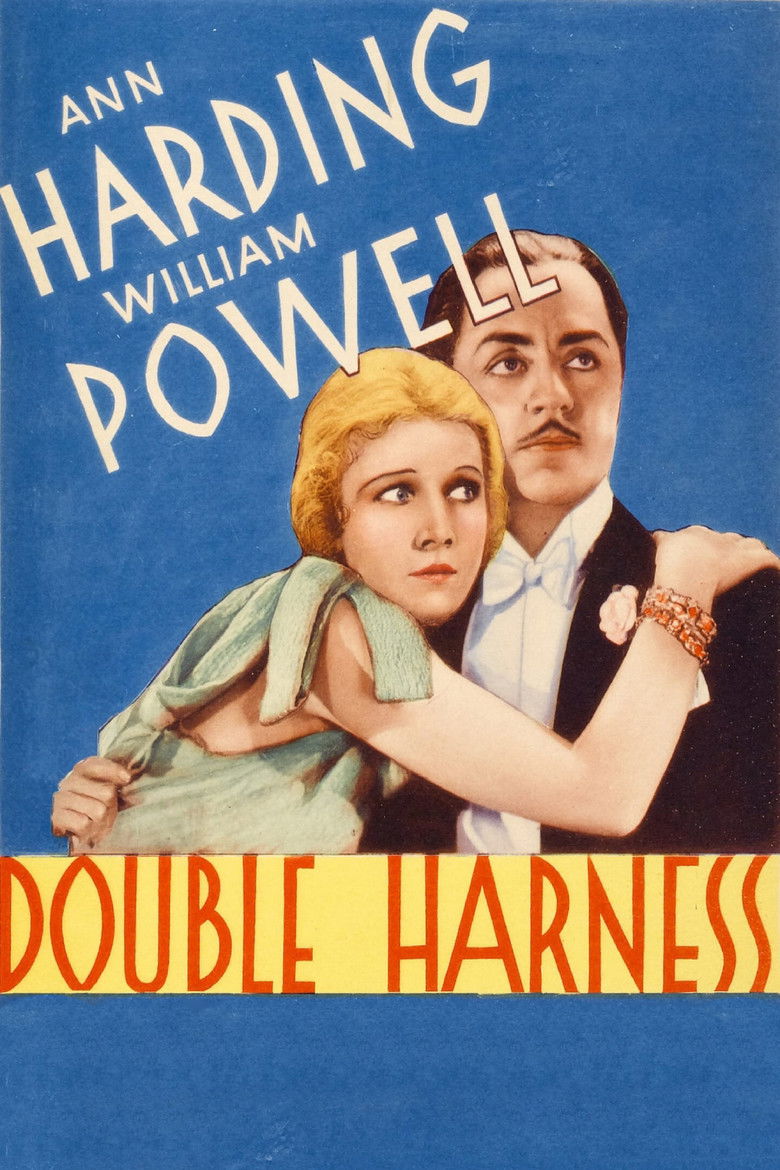
1933
Director
John Cromwell
Runtime
69 minutes
Average Rating
No ratings yetSynopsis
After tricking him into marriage, a woman tries to win the love of her philandering husband.
Overall Score
Limited
Category Breakdown
LGBTQ+ Representation
The film lacks any discernible LGBTQ+ characters or non-cisnormative identities. Romantic arcs are strictly confined to traditional heteronormative frameworks without queer subtext.
Gender Representation
The narrative centers on female-centric dynamics, specifically the relationship between mother and daughter. This focus provides a degree of female agency and emotional depth.
Racial & Ethnic Diversity
The production features a primarily white, Anglo-Saxon cast typical of the early 1930s. It lacks characters from diverse ethnic backgrounds or any evidence of color-blind casting.
Religious & Cultural Diversity
The story explores class mobility and the friction between working-class and wealthy social tiers. It functions as a study of class-based social pressures rather than a systemic critique.
Disability Representation
There are no visible or invisible disabilities portrayed within the character arcs. The narrative does not include representation for neurodivergent or physically disabled individuals.
Strengths
Areas for Improvement
AI Analysis
Double Harness is a domestic melodrama that finds its strength in exploring female-centric dynamics and the tensions of class stratification. By centering the plot on the emotional labor and agency of the mother and daughter, it moves beyond treating women as peripheral figures. However, the film remains deeply rooted in the demographic and structural hierarchies of its era. It lacks intersectional complexity, offering no representation for LGBTQ+ identities, diverse racial backgrounds, or individuals with disabilities. Ultimately, while the film provides a nuanced look at socioeconomic friction, it operates within a homogeneous social framework that reinforces the traditional status quo of the early 20th century.
1934
1933
1933
1939
1930
1934

1961
1932
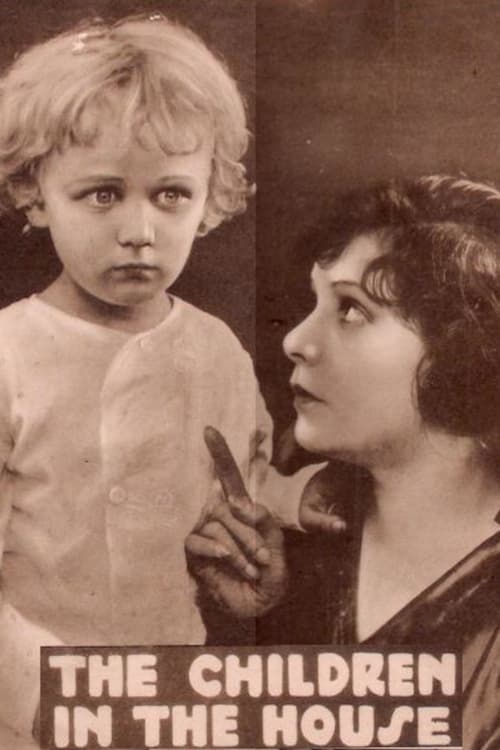
1916
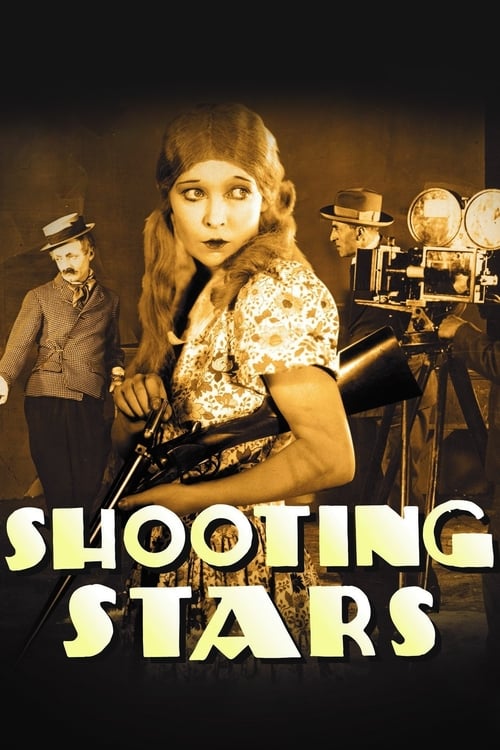
1928
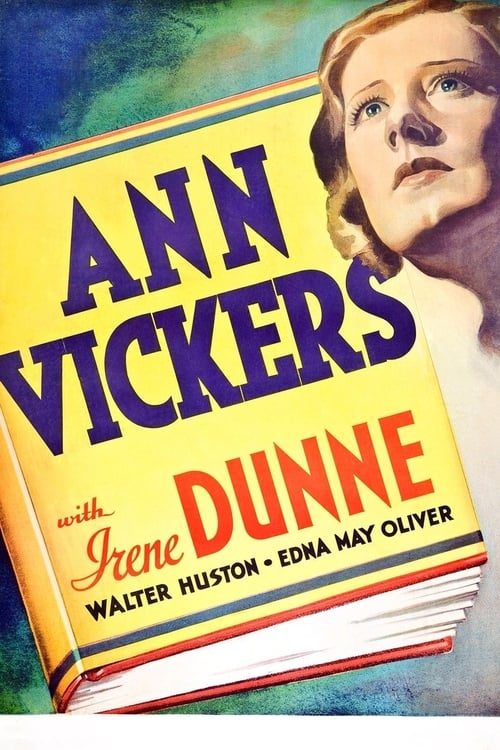
1933
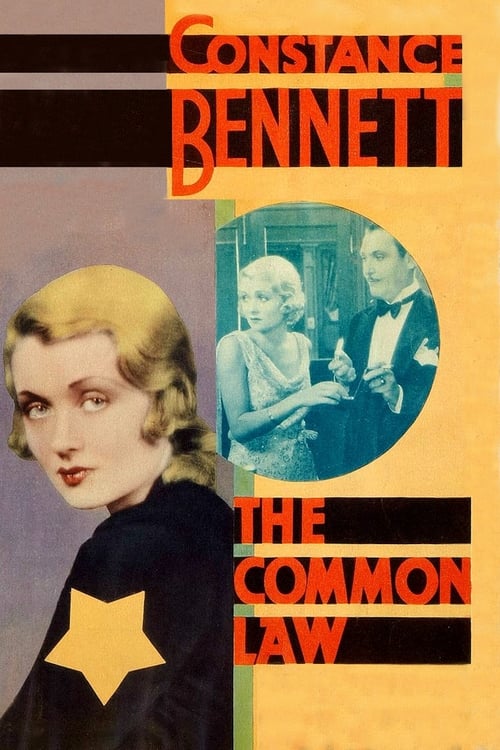
1931
No reviews yet. Be the first to share your thoughts on this movie!
Use the rating form above to leave a star rating and optional review.