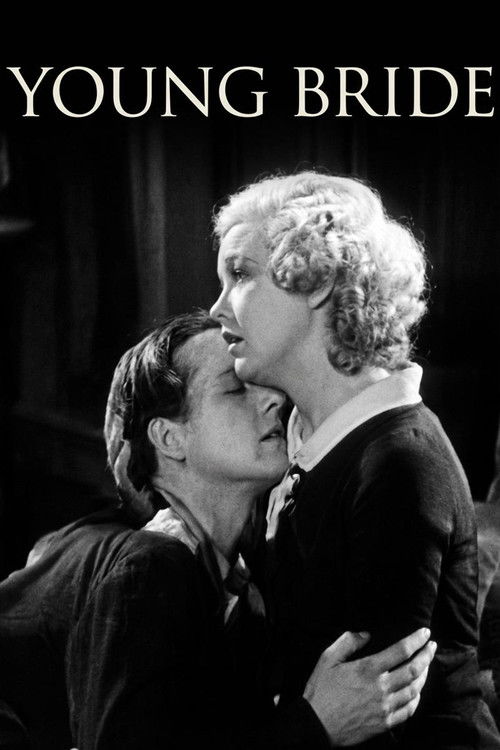
Young Bride
1932
No user ratings available yet
Representation score: 1.1 out of 10
Representation Score
Minimal
1934
PassedDirector
Sam Newfield
Runtime
67 minutes
Average Rating
No ratings yetNew Showbiz Analysis
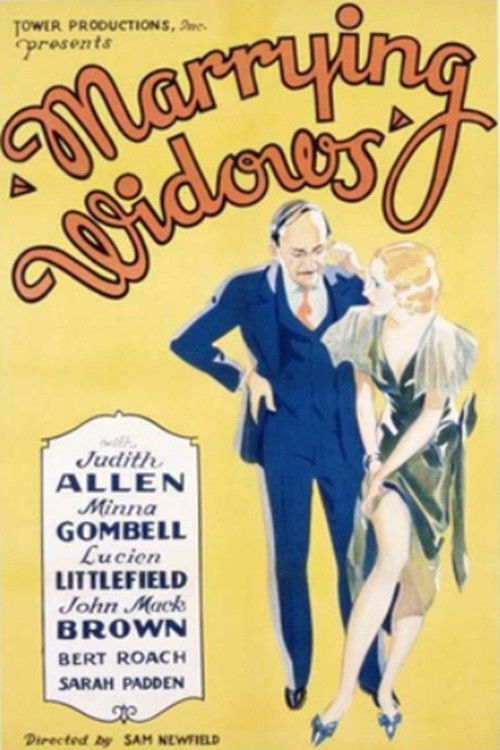
Marrying Widows is a typical 1930s drama that emphasizes interpersonal conflict and romantic clichés over social diversity. The story follows a female lead's journey from a restrictive family to a new marriage, but it ultimately adheres to the era's conventional domestic resolutions. The film lacks depth in representing multiple aspects of diversity, such as LGBTQ+ individuals or diverse racial and ethnic groups. The social landscape remains homogeneous, focusing on a specific class-based struggle regarding patents and inheritance. While the protagonist plays a significant role in driving the story, the film serves primarily as a commercial genre piece rather than a tool for social change. It reinforces existing social hierarchies through its focus on traditional marriage and personal vendettas.
Category Breakdown
The film does not include any LGBTQ+ characters or non-straight relationships. The plot revolves around a traditional romantic marriage and inheritance disputes.
A female protagonist drives the narrative by seeking independence in New York City. However, the story ends with a traditional domestic reconciliation with her husband.
The narrative centers on a homogeneous social structure. There are no indications of a multi-ethnic cast or non-Anglo-Saxon characters.
The film explores familial conflict and inheritance morality. It reinforces traditional moral arcs rather than providing a systemic critique of industrial or social structures.
There is no mention of characters with visible or invisible disabilities.
Present on Screen
Limited or Absent
Official Synopsis
After the death of her sewing machine tycoon husband, a young woman is cold-shouldered by her grasping in-laws. She heads to New York City and meets a man, falls in love and gets married. Unknown to her, her new husband is after what he thinks to be her fortune, in revenge for the theft of his father's patents that made the sewing machine profits. Discovering that she is in fact penniless, they both reconcile.
1932

1920
1929

1930
1931
1934
1932
1931
No reviews yet. Be the first to share your thoughts on this movie!
Use the rating form above to leave a star rating and optional review.