
Marketa Lazarová
1967
No user ratings available yet
Representation score: 3.9 out of 10
Representation Score
Fair
1988
RDirector
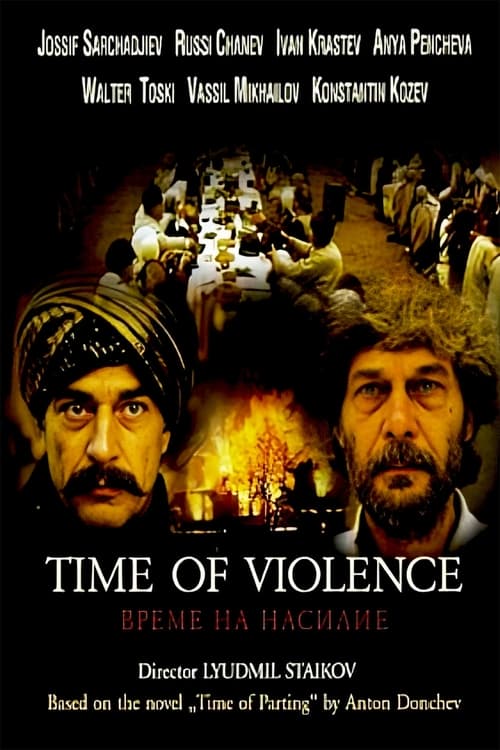
Ludmil Staikov
Runtime
288 minutes
Average Rating
No ratings yetNew Showbiz Analysis
Time of Violence is a historical drama that emphasizes the political tensions between the Ottoman Empire and Bulgarian villagers. Its narrative structure revolves around systemic coercion and the trauma of forced cultural assimilation. The film effectively portrays ethnic and cultural complexity, particularly through the lens of imperial rule and identity displacement. However, it lacks contemporary markers of diversity, such as LGBTQ+ or neurodivergent representation. Ultimately, the film serves as a critique of centralized authority, focusing on the erosion of social cohesion due to state-mandated religious conversion rather than individual identity politics.
Category Breakdown
The film does not include any LGBTQ+ characters or representations of non-straight relationships. It focuses on the religious and ethnic conflicts of the 17th century.
The story centers on male-driven political struggles involving Janissaries and governors. Women are present but mainly appear as subjects of systemic pressure rather than as active agents in the plot.
The film highlights significant ethnic complexity by focusing on the clash between Ottoman administration and Bulgarian Christians. It explores the theme of identity displacement through the character of a Janissary who is forcibly moved between cultures.
The narrative strongly critiques imperial dominance and the forced imposition of religion. It focuses on the resistance of a underrepresented group against the coercive power of the Ottoman Empire.
The film does not focus on physical or neurological disabilities.
Present on Screen
Limited or Absent
Official Synopsis
In the 17th century, a Bulgarian Christian region is selected by the Ottoman rulers to serve as an example of conversion to Islam. A Janissary who was kidnapped from the village as a boy is sent to force the reluctant inhabitants to convert. The Turkish governor seeks a peaceful solution, but ultimately torture, violence, and rebellion break out.
1967
1989
2017
1991
2008

2017
2009

1986
No reviews yet. Be the first to share your thoughts on this movie!
Use the rating form above to leave a star rating and optional review.