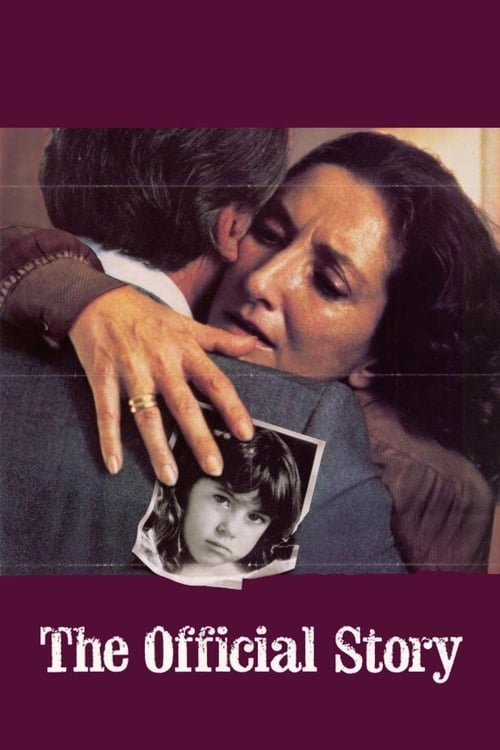
The Official Story
1985
No user ratings available yet
Representation score: 5.4 out of 10
Representation Score
Fair
1989
NRDirector
Hou Hsiao-hsien
Runtime
158 minutes
Average Rating
No ratings yetNew Showbiz Analysis
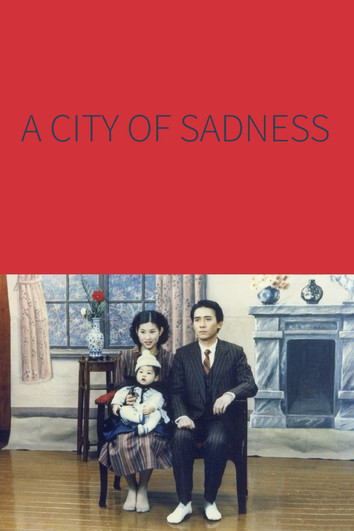
Hou Hsiao-hsien’s masterpiece stands out as a powerful historical witness, using a deconstructed cinematic style to explore the trauma of post-colonial Taiwan. Its greatest strength lies in its nuanced exploration of identity and its critique of institutional authority during the White Terror period. However, the film operates within a traditional social framework that offers minimal representation for LGBTQ+ identities. The focus remains on political and familial consequences of state repression. While the film highlights female resilience and ability to act, it does not address disability or diverse sexual orientations, making it a focused study of historical and ethnic identity rather than a broad spectrum of human diversity.
Category Breakdown
The film focuses on political and familial tensions, ignoring non-traditional gender and sexual identities. It prioritizes traditional family structures over exploring LGBTQ+ experiences.
Women play crucial roles as emotional and structural anchors in the household. They show remarkable resilience and control over their lives despite systemic instability, while men often face political paralysis or disappearances.
The film explores the complexities of Taiwanese identity after transitioning from Japanese rule to KMT administration. It highlights the Han Chinese experience to challenge monolithic national narratives.
The film critiques authoritarian governance by showing the human cost of systemic violence. It illustrates how centralized power dismantles local cultural foundations and weakens social cohesion.
There are no significant depictions of visible or invisible disabilities that affect the character arcs or the plot progression.
Present on Screen
Limited or Absent
Official Synopsis
The story of a family embroiled in the "White Terror," the Kuomintang government's anti-communist political repression that was wrought on the Taiwanese people from 1947-1987.
1985
1985
1981
2014
2005
1987
1982
2008
No reviews yet. Be the first to share your thoughts on this movie!
Use the rating form above to leave a star rating and optional review.