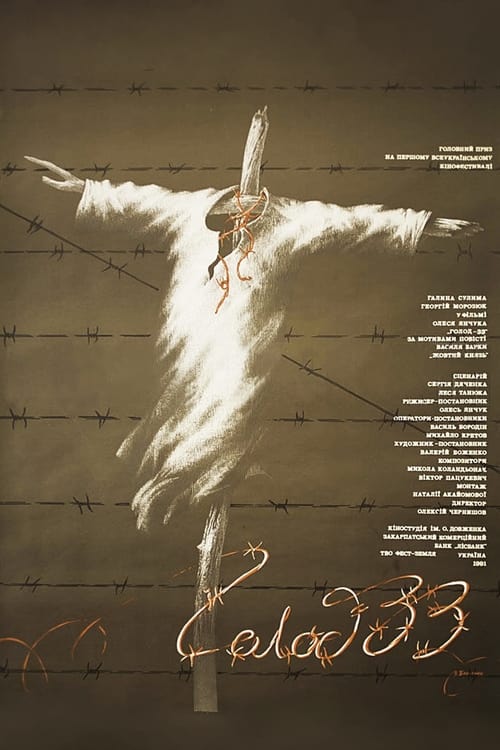
Famine-33
1991
No user ratings available yet
Diversity score: 6.5 out of 10
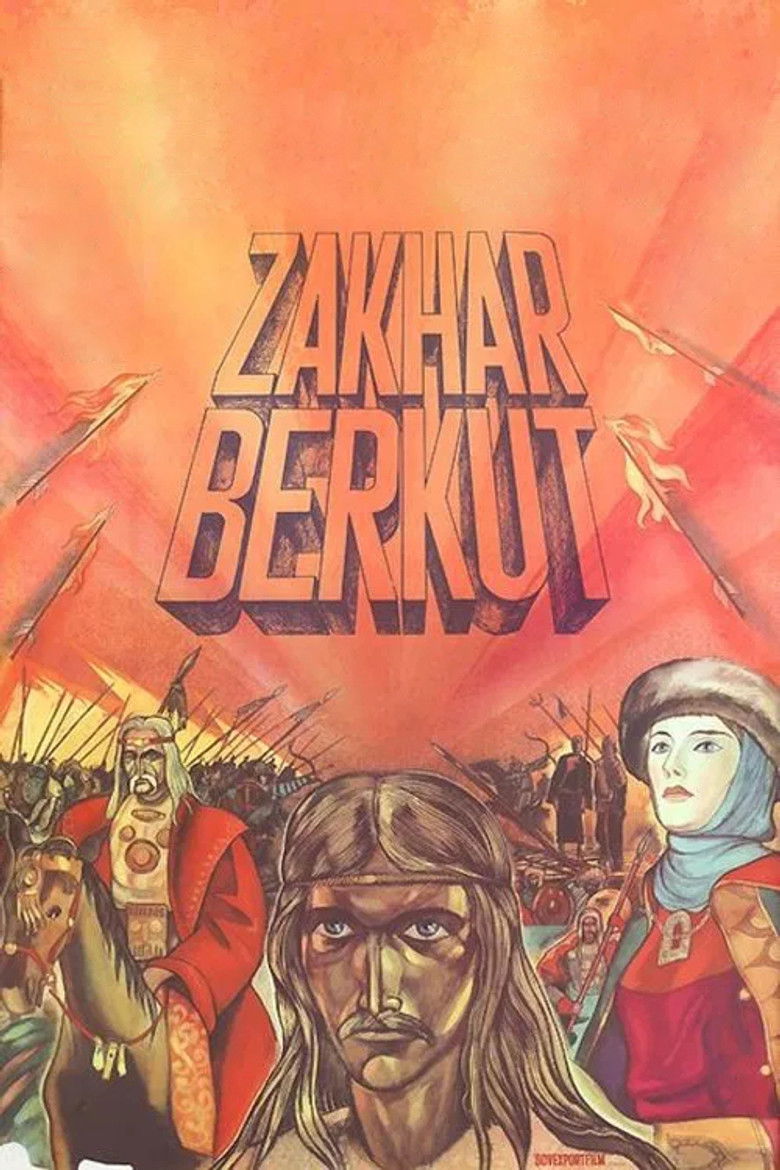
1972
Director
Leonid Osyka
Runtime
93 minutes
Average Rating
No ratings yetSynopsis
This film is based on the classic novel of the same name by writer Ivan Franko, one of the most famous figures of Ukrainian literature. It is set during the 1200s and the invasion of the medieval Ukrainian-Russian state of Rus' by Chengis Khan's Golden Horde. Due to its having been produced during the Soviet era, the story's aspect of class-conflict between the "heroic" peasantry and the "decadent" noble particularly emphasized here.
Overall Score
Good
Category Breakdown
LGBTQ+ Representation
The film lacks any depiction of non-cisnormative identities or same-sex intimacy. The narrative focuses strictly on heteronormative familial structures and tribal cohesion.
Gender Representation
Women are depicted as active participants in defending their territory rather than passive observers. They possess a functional strength that moves beyond common submissive tropes.
Racial & Ethnic Diversity
The film excels at portraying indigenous Carpathian and Ukrainian tribal identities. It centers on a localized ethnic group resisting the expansion of the Golden Horde.
Religious & Cultural Diversity
The story emphasizes a communalist ethos by highlighting class conflict between the peasantry and the nobility. It frames resistance against an empire as a metaphor for sovereignty.
Disability Representation
There is no significant evidence regarding the portrayal of visible or invisible disabilities. The narrative focuses on the macro-scale struggle of a civilization.
Strengths
Areas for Improvement
AI Analysis
Zakhar Berkut is a historical drama that prioritizes ethnic sovereignty and communal agency. It succeeds by centering indigenous Carpathian identities against an imperial force, offering a strong critique of class-based power structures. However, the film lacks modern intersectional representation. There is no presence of LGBTQ+ identities or characters with disabilities, as the story adheres to its 13th-century setting and macro-scale historical focus. Ultimately, the film's strength lies in its deconstruction of nobility and its celebration of the collective peasantry, providing a narrative that challenges traditional imperialist histories.
1991
1971
1939

1951
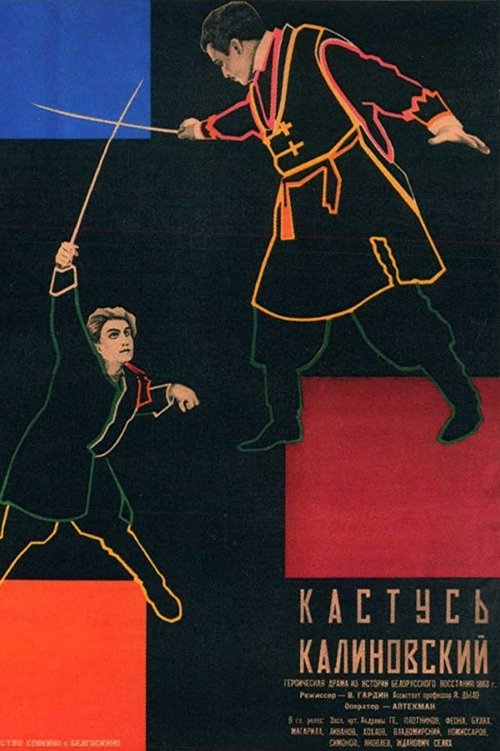
1928

2016
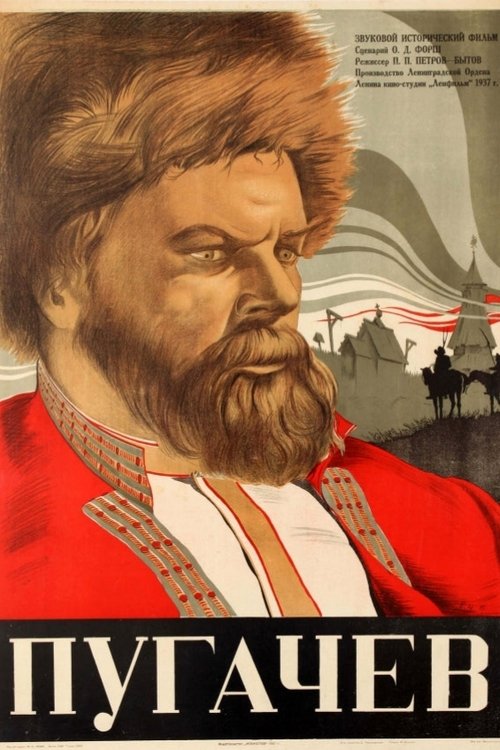
1937
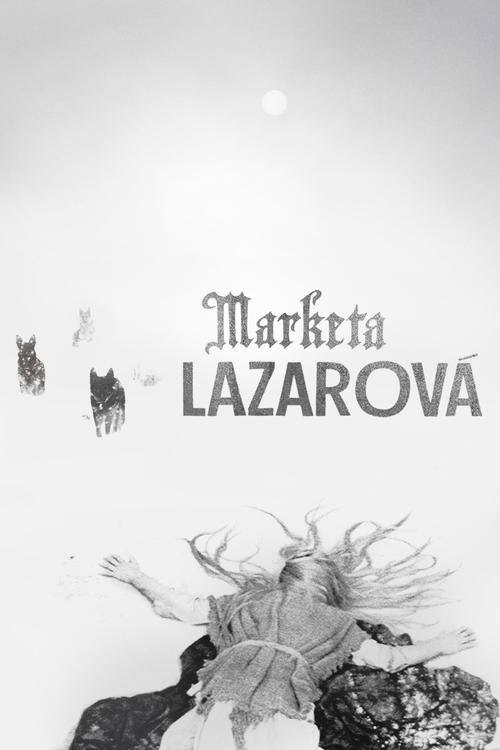
1967
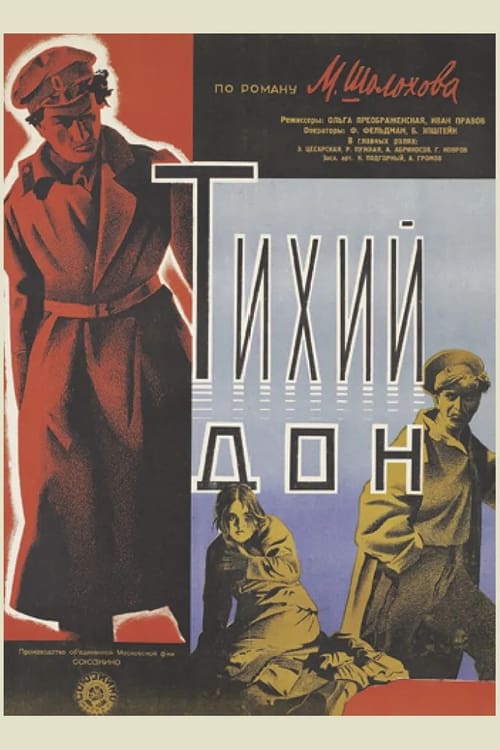
1931

1941
1979
1939
No reviews yet. Be the first to share your thoughts on this movie!
Use the rating form above to leave a star rating and optional review.