
Miral
2010
No user ratings available yet
Representation score: 4.8 out of 10
Representation Score
Good
2009
Director
Tomris Giritlioğlu
Runtime
112 minutes
Average Rating
No ratings yetNew Showbiz Analysis
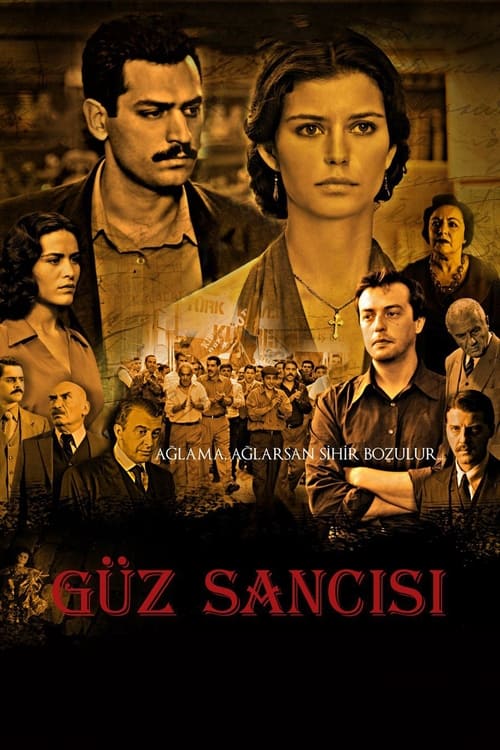
Pains of Autumn serves as a historical critique that disrupts the typical expectations of nationalist cinema. By centering a romance that defies socio-political boundaries, the film highlights the human cost of institutionalized prejudice. The narrative structure prioritizes the lived experiences of underrepresented identities against a backdrop of systemic violence. This approach allows for a sophisticated engagement with subjective morality and the deconstruction of traditional power structures. While the film excels in exploring ethnic and religious friction, it lacks representation for LGBTQ+ identities and individuals with disabilities.
Category Breakdown
The film does not include any explicit LGBTQ+ characters or non-straight relationships. The story centers around a heterosexual romantic conflict.
The story challenges traditional gender roles by focusing on a underrepresented woman who drives the plot. Her role as a catalyst for the protagonist's disillusionment with society breaks down conventional patriarchal structures.
The film examines the tension between dominant nationalist identities and minority groups. It uses the 1955 Istanbul Pogrom to critique ethnic homogeneity and exclusionary politics.
The narrative questions nationalistic unity by showing it as a source of systemic oppression. It highlights the vulnerability of minority groups within a nationalist framework.
There is no discernible evidence regarding the portrayal of physical or neurodivergent disabilities in the work.
Present on Screen
Limited or Absent
Official Synopsis
When a nationalistic wealthy landowner's idealist son falls for a non-muslim prostitute, he finds himself in a conflict between his feelings and politics under the shadow of the events of September 6th-7th in 1955, the Istanbul Pogrom.
2010

2004

1999
1989
2010
1916
2008
2002
No reviews yet. Be the first to share your thoughts on this movie!
Use the rating form above to leave a star rating and optional review.