Épuration
2007
No user ratings available yet
Representation score: 3.0 out of 10
Representation Score
Fair
2008
Director
Michele Soavi
Runtime
108 minutes
Average Rating
No ratings yetNew Showbiz Analysis
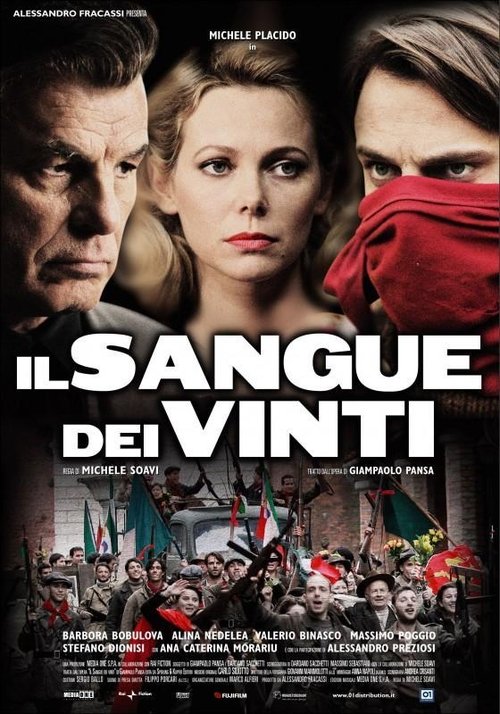
Blood of the Losers is a study in ideological fragmentation rather than broad demographic representation. It prioritizes a complex, multi-perspective approach to systemic conflict over traditional representation. The film achieves its greatest impact through its cultural lens, challenging established historical hierarchies and the singular mythos of wartime heroism. It favors situational ethics over a simple patriotic narrative. However, the film remains limited by its historical setting, offering little visibility for LGBTQ+ identities or racial diversity beyond the specific Italian context.
Category Breakdown
The film does not include explicit LGBTQ+ characters or stories that go beyond the assumption that everyone is straight. Its focus is on the political divisions of the time, which limits the visibility of LGBTQ+ identities.
The story challenges traditional gender hierarchies by putting a female protagonist at the center. She plays a significant role in driving the political narrative and engages in ideological combat.
Casting reflects the demographics of post-WWII Italy, without featuring a non-white majority. The film focuses on internal political conflicts rather than a single identity.
The narrative embraces moral relativism by showing a family divided by opposing political factions. It intentionally breaks down the traditional 'good vs. evil' dichotomy found in war movies.
There is no documented evidence regarding the portrayal of physical or neurodivergent disabilities in this film.
Present on Screen
Limited or Absent
Official Synopsis
Inspired by Giampaolo Pansa's controversial book, the film traces the story of a family torn apart by political divisions at the end of the Second World War: a son joined the partisan brigades and a daughter, instead, joined the militia of the Republic of Salò.
2007
1989

1963

1985

2024

2002

2018

2009
No reviews yet. Be the first to share your thoughts on this movie!
Use the rating form above to leave a star rating and optional review.