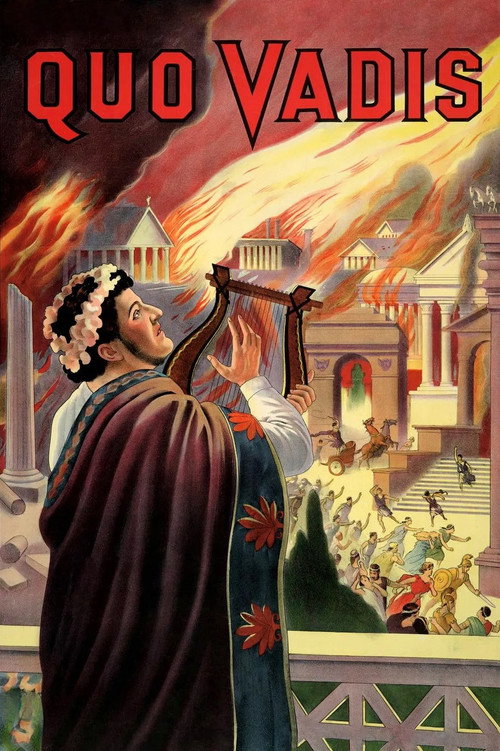
Quo Vadis?
1913
No user ratings available yet
Representation score: 2.1 out of 10

Representation Score
Limited
2001
Director
Jerzy Kawalerowicz
Runtime
170 minutes
Average Rating
No ratings yetNew Showbiz Analysis
Quo Vadis (2001) serves as a historical study of systemic conflicts rather than an exploration of modern identity politics. It successfully portrays the ethnic complexity of the Roman Empire and the friction between state power and religious minorities. However, the film remains limited by its adherence to the social norms of its time, lacking any representation of LGBTQ+ identities or characters with disabilities.
Category Breakdown
The film focuses on the romantic and spiritual tension between Vinicius and Lygia. There are no representations of LGBTQ+ identities or same-sex intimacy.
The Roman society is patriarchal, but Lygia stands as a moral guide. She resists the protagonist's advances using her spiritual strength, challenging physical authority with her convictions.
The film showcases the multi-ethnic reality of the Roman Empire. It includes Barbarian commanders and various Mediterranean and Middle Eastern figures, avoiding a monolithic view of ancient times.
The story criticizes imperial decadence by depicting the Roman state as oppressive. It highlights the tension between established institutions and the persecuted Christian community.
The film does not focus on visible or invisible disabilities. Characters with disabilities are not used as central plot devices.
Present on Screen
Limited or Absent
Official Synopsis
Ancient Rome, during the time of Emperor Nero. Vinicius, a young patrician, falls in love with the beautiful Lygia, the daughter of a Barbarian commander who was killed in battle, and wants her for his concubine. For Lygia, a Christian, being a pagan's concubine is a severe sin and disgrace. However, when Vinicius is wounded, Lygia cares for him, and starts to reciprocate his feelings. Vinicius, in return, becomes interested in Christian learning and asks Apostle Peter to teach him. In the meantime, Emperor Nero accuses Christians of having started a great fire in Rome. He encourages the imprisonment, torture and murder of his Christian subjects.
1913

1951
1932

1928
1988
1963

1971

1953
No reviews yet. Be the first to share your thoughts on this movie!
Use the rating form above to leave a star rating and optional review.