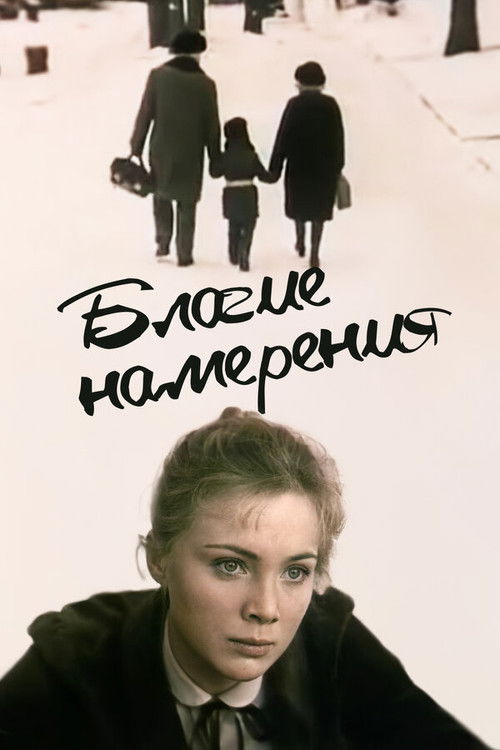
Good Intentions
1984
No user ratings available yet
Representation score: 4.0 out of 10
Representation Score
Good
1929
Director
Yuri Tarich, Iosif Bakhar
Runtime
63 minutes
Average Rating
No ratings yetNew Showbiz Analysis
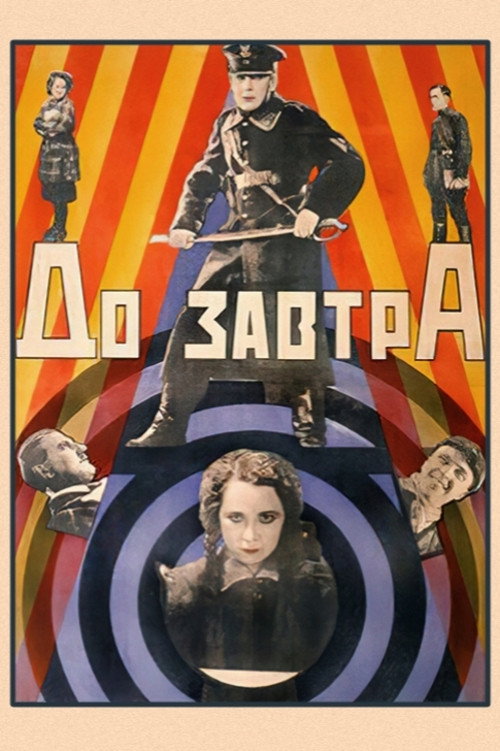
Till Tomorrow examines the transition from poor living conditions in a gymnasium shelter to the collective life of the Soviet era. Its strength lies in its cultural critique, dismantling old social hierarchies in favor of state-sponsored kinship. However, the film's emphasis on communal upbringing leaves gaps in individual representation. There is a notable absence of documented LGBTQ+ or disability-focused narratives, which limits the scope of its social commentary. Ultimately, the film prioritizes the integration of regional Belarusian identities into a broader Soviet identity over diverse individual character studies.
Category Breakdown
The film does not include any documented LGBTQ+ characters or stories that question traditional heterosexual relationships. It focuses on the shared experiences of orphan children rather than individual identity issues.
By centering orphans in a state-run gymnasium, the film challenges traditional patriarchal family structures. The setting emphasizes institutional guidance over the traditional roles of husbands or fathers.
Set in Belarus, the film suggests a narrative that integrates regional identities into a multi-ethnic Soviet framework. This moves away from Anglo-centric storytelling patterns.
The narrative criticizes pre-revolutionary social structures by depicting traditional religious or private charities as insufficient. It prioritizes collective identity and systemic restructuring.
There is no indication that disability or neurodivergence is a central theme. Characters with disabilities do not seem to have significant influence over their situations.
Present on Screen
Limited or Absent
Official Synopsis
A story of Belarusian children that are enrolled in a special school. The orphans live in gymnasium shelter under poor conditions and high-school students are showing interest in life in Soviet.
1984
1946
1957

2008
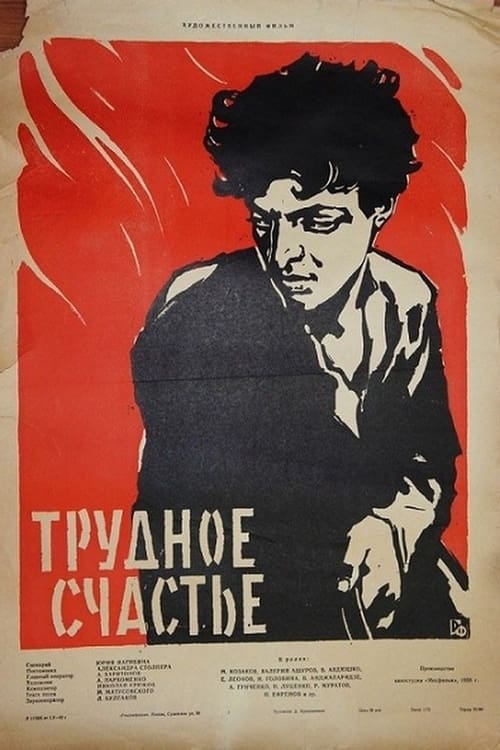
1958

1920

1927
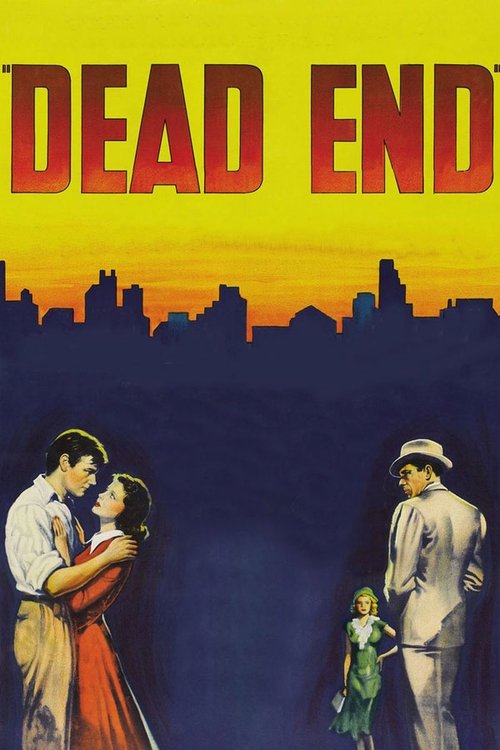
1937
No reviews yet. Be the first to share your thoughts on this movie!
Use the rating form above to leave a star rating and optional review.