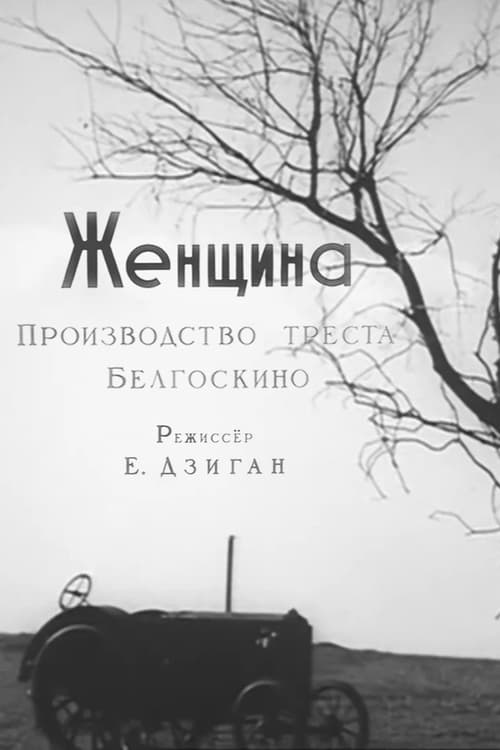
Woman's World
1932
No user ratings available yet
Diversity score: 5.5 out of 10
1926
Director
Fridrikh Ermler, Eduard Ioganson
Runtime
109 minutes
Average Rating
No ratings yetSynopsis
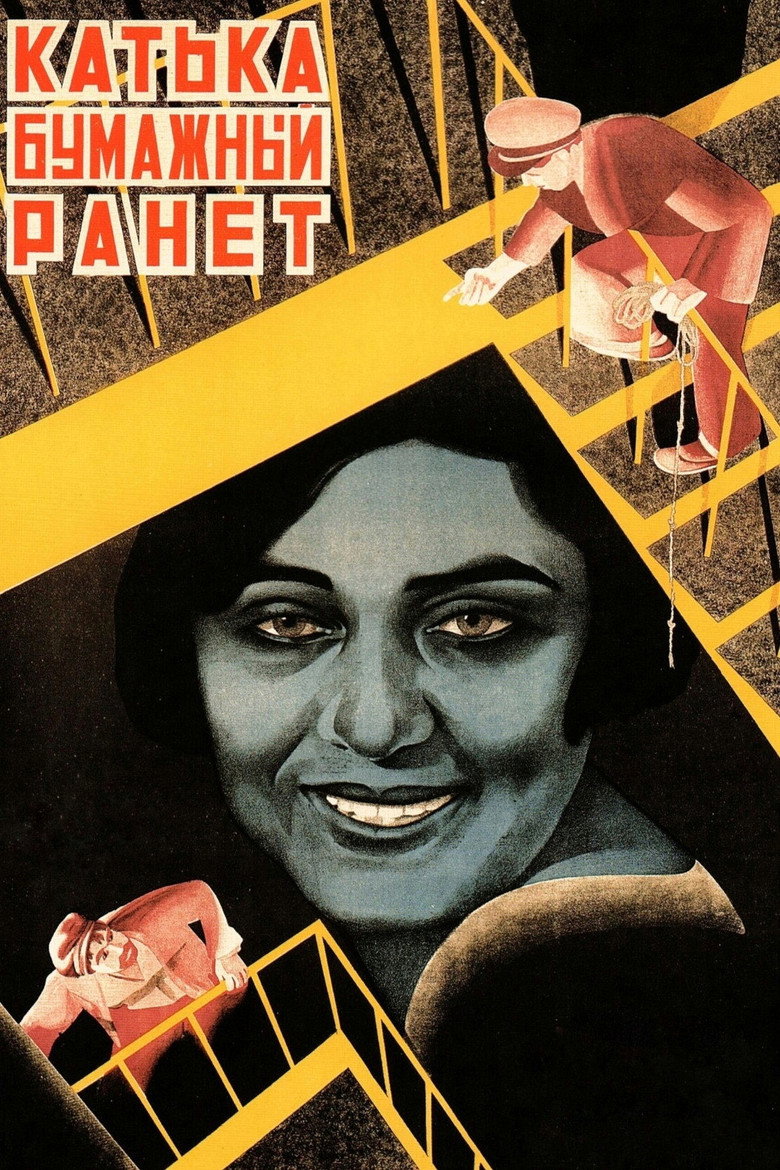
A young country girl who becomes an apple seller is seduced and abandoned. She finds a protector but when he is arrested for theft she finds honest work in a factory.
Overall Score
Fair
Category Breakdown
LGBTQ+ Representation
The film lacks LGBTQ+ characters or narratives. The plot follows a traditional romantic arc centered on seduction and abandonment.
Gender Representation
Katka moves from a victim of seduction to an independent factory worker. This transition emphasizes female economic autonomy over romantic dependency.
Racial & Ethnic Diversity
The production likely features a homogeneous Slavic cast typical of 1926 Soviet cinema. The focus remains on class identity rather than ethnic diversity.
Religious & Cultural Diversity
The narrative critiques traditional agrarian structures by celebrating the shift to industrial labor. It favors collective proletariat identity over rural hierarchies.
Disability Representation
There is no evidence of characters with physical or neurodivergent disabilities within the film's narrative.
Strengths
Areas for Improvement
AI Analysis
Katka's Reinette Apples succeeds in portraying a meaningful shift in female agency. By moving the protagonist from a vulnerable rural laborer to an industrial worker, the film prioritizes economic self-sufficiency over traditional domestic roles. The film's strength lies in its socio-economic commentary. It uses the transition from agrarian life to factory work to challenge old social hierarchies and promote a class-based identity. However, the film lacks modern intersectional representation. It does not include LGBTQ+ narratives or characters with disabilities, reflecting the social constraints and thematic focuses of early Soviet cinema.
1932

1927

1962
1958

1984

1916

1934

1985
1935
1932
1955

1918
No reviews yet. Be the first to share your thoughts on this movie!
Use the rating form above to leave a star rating and optional review.