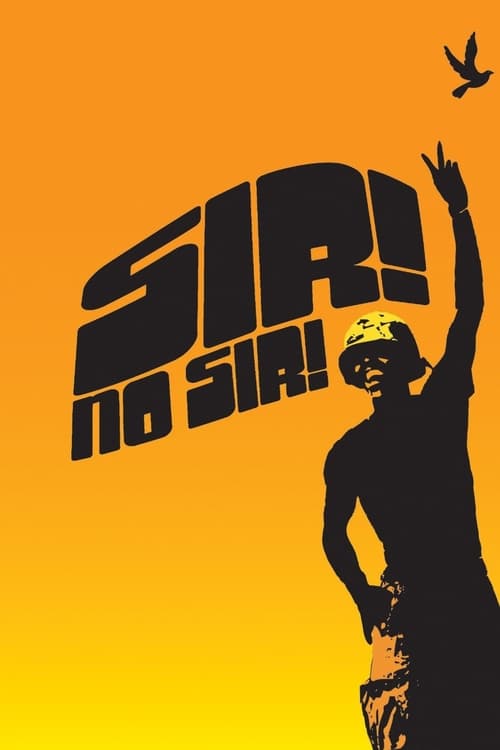
Sir! No Sir!
2005
No user ratings available yet
Representation score: 3.3 out of 10
Representation Score
Good
1979
Not RatedDirector
Barry Alexander Brown, Glenn Silber
Runtime
100 minutes
Average Rating
No ratings yetNew Showbiz Analysis
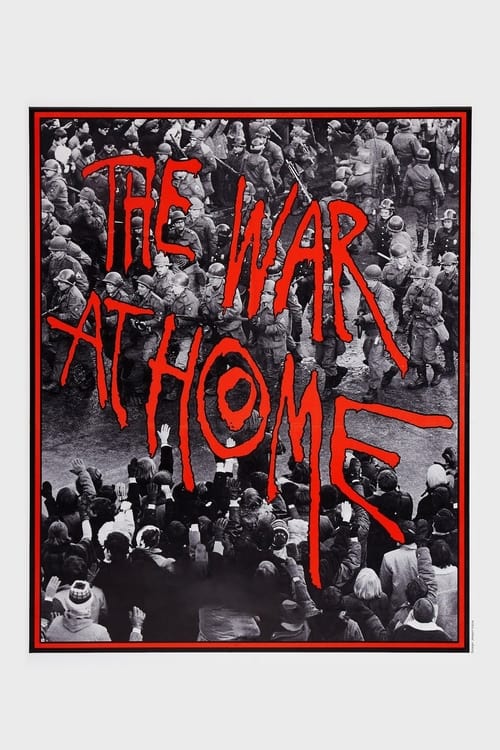
The War at Home serves as a historical record of social dissent, emphasizing the deconstruction of institutional authority rather than modern multi-layered complexities. Its strength lies in its progressive critique of state power and the military-industrial complex. However, the film's focus on political and ideological struggles often sidelines specific identities. Representation of disability and LGBTQ+ narratives appears incidental rather than central to the documentary's structure. Ultimately, the film excels as a critique of established authority but lacks the detailed focus on diverse lived experiences found in contemporary works.
Category Breakdown
The film focuses on the Vietnam War protest movement in Madison during the 1970s, an era marked by significant changes in queer identity. However, it does not provide explicit examples of intentional queer-focused narratives.
The documentary highlights women's roles in campus activism and protest organization. Subjects are often shown within the context of broader political struggles rather than specific gender-related issues.
The film explores the racial aspects of the Vietnam conflict and campus civil rights movements. It reflects the tensions between student activists and the systemic racial dynamics of the time.
The documentary presents a strong progressive perspective by criticizing the military-industrial complex and state patriotism. It emphasizes skepticism of state power and examines the complexities of social upheaval.
The documentary focuses on ideological and systemic conflicts rather than the lived experiences of people with disabilities. There is no indication that neurodivergence or physical disabilities are central themes.
Present on Screen
Limited or Absent
Official Synopsis
Documentary film about the anti-war movement in the Madison, Wisconsin area during the time of the Vietnam War. It combines archival footage and interviews with participants that explore the events of the period on the University of Wisconsin–Madison campus.
2005

2003

1987

1969

1974

1967
2019
1971
No reviews yet. Be the first to share your thoughts on this movie!
Use the rating form above to leave a star rating and optional review.