A Sniper's War
2018
No user ratings available yet
Diversity score: 5.9 out of 10
2021
Director
Éléonore Weber
Runtime
72 minutes
Average Rating
No ratings yetSynopsis
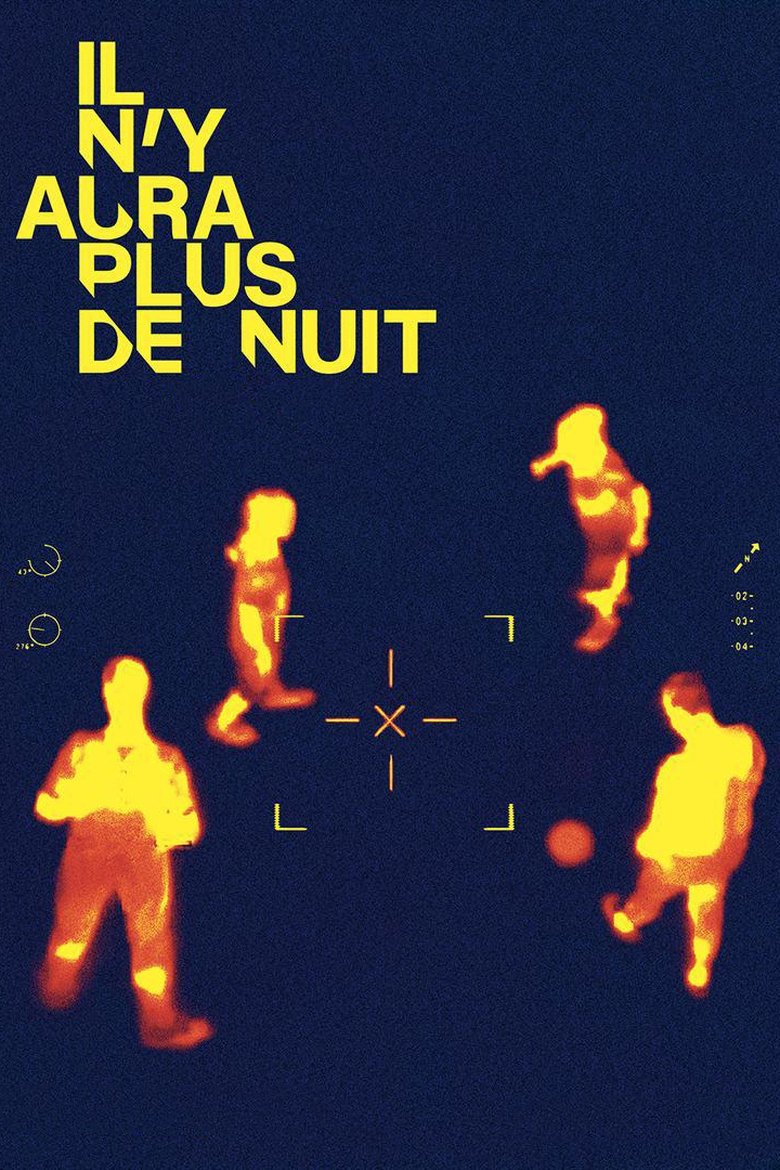
Images from helicopters. Video recordings from the American and the French military forces in Afghanistan, Iraq and Syria. The intervention is taking place right before our eyes. How far can the desire to see lead to, when it has no limits?
Overall Score
Good
Category Breakdown
LGBTQ+ Representation
The film lacks character-driven narratives regarding sexual orientation or gender identity. It maintains a neutral stance by prioritizing systemic observation over individual identity politics.
Gender Representation
The work challenges traditional hierarchies by removing the masculine hero archetype. It deconstructs hyper-masculine combat tropes by presenting warfare as a cold, technological process.
Racial & Ethnic Diversity
The narrative centers on Middle Eastern and Central Asian landscapes. However, these geographies are often viewed through the detached lens of Western military technology.
Religious & Cultural Diversity
The film offers high levels of cultural critique by scrutinizing Western military intervention. It avoids nationalistic sentiment, instead adopting a posture of skepticism toward Western hegemony.
Disability Representation
There is no discernible representation of physical or neurodivergent disabilities. The focus remains strictly on aerial footage and military recordings.
Strengths
Areas for Improvement
AI Analysis
Éléonore Weber’s documentary eschews traditional character arcs to interrogate the ethics of the gaze. By utilizing helicopter footage from American and French forces, the film shifts the focus from individual heroism to the systemic nature of remote warfare. The film excels in its cultural critique, successfully deconstructing the morality of the observer and Western institutional power. It avoids the patriotic tropes common in the genre, opting for a formalist interrogation of surveillance. However, the reliance on detached, aerial perspectives means the film lacks specific representation for LGBTQ+ identities or disabilities. It functions more as a systemic critique than a study of individual human diversity.
2018
2024
1979
2020
2016

2020
2025

2025
1987
2004

2024

2017
No reviews yet. Be the first to share your thoughts on this movie!
Use the rating form above to leave a star rating and optional review.