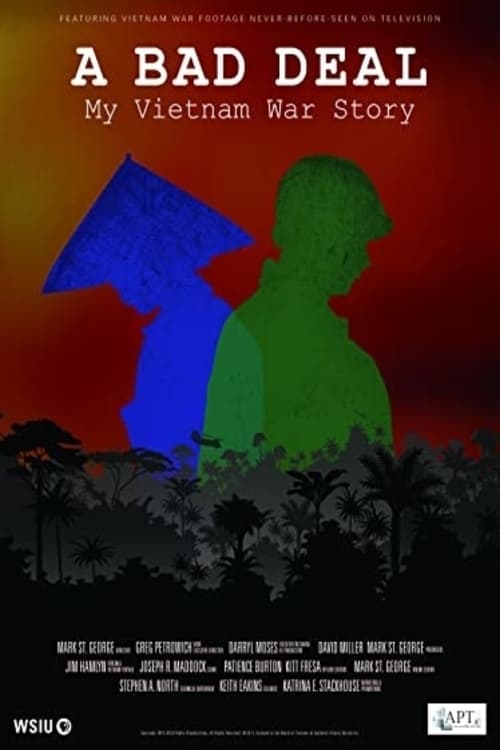
A Bad Deal - My Vietnam War Story
2019
No user ratings available yet
Representation score: 2.5 out of 10
Representation Score
Good
1987
PGDirector
Bill Couturié
Runtime
84 minutes
Average Rating
No ratings yetNew Showbiz Analysis
The documentary excels at deconstructing official historical narratives by prioritizing individual, lived experiences. By using personal correspondence, it captures a multi-ethnic perspective that avoids a homogenized view of the American military experience. However, the film remains tied to the traditional domestic structures of the late 20th century. It lacks explicit representation of LGBTQ+ identities and does not feature a dedicated narrative focused on disability or physical impairment. Ultimately, the film's strength lies in its ability to highlight the tension between individual identity and the oppressive structures of wartime bureaucracy.
Category Breakdown
The film focuses on the correspondence between service members and their families. There is no explicit mention of non-binary gender identities or same-sex relationships.
The documentary gives significant roles to women through the letters of nurses and correspondents. It also showcases the emotional vulnerability of men in their private letters, challenging the typical tough-guy stereotype.
The film represents the diverse ethnic makeup of the military by highlighting Black, White, and Asian-American service members. This avoids a one-dimensional view of the American experience during the war.
The narrative prioritizes personal stories over official history. It highlights the gap between institutional authority and the real-life experiences of soldiers, offering a critique of traditional Western institutions.
The film provides insight into invisible disabilities, such as psychological trauma and mental health issues. These are shown as personal struggles rather than just plot devices.
Present on Screen
Limited or Absent
Official Synopsis
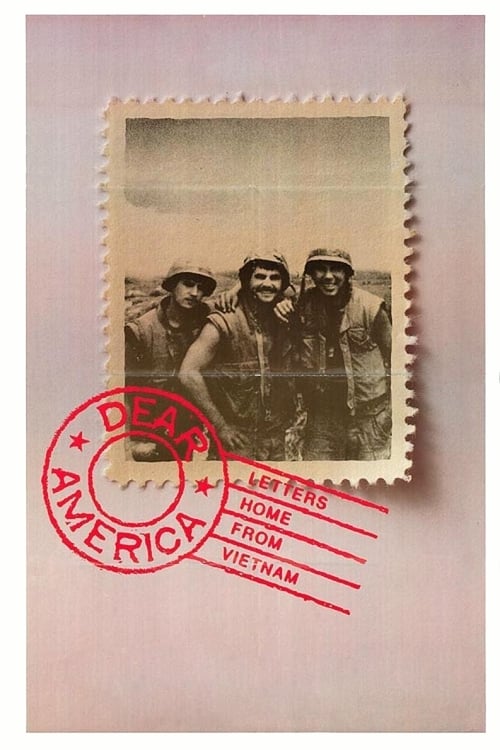
Real-life letters written by American soldiers, sailors, airmen, and Marines during the Vietnam War to their families and friends back home. Archive footage of the war and news coverage thereof augment the first-person "narrative" by men and women who were in the war, some of whom did not survive it.
2019

2023

1971
2018
1979
1968

1974

1967
No reviews yet. Be the first to share your thoughts on this movie!
Use the rating form above to leave a star rating and optional review.