
Israel and Gaza: Into the Abyss
2024
No user ratings available yet
Representation score: 9.1 out of 10
Representation Score
Excellent
2010
Not RatedDirector
Vibeke Løkkeberg
Runtime
81 minutes
Average Rating
No ratings yetNew Showbiz Analysis
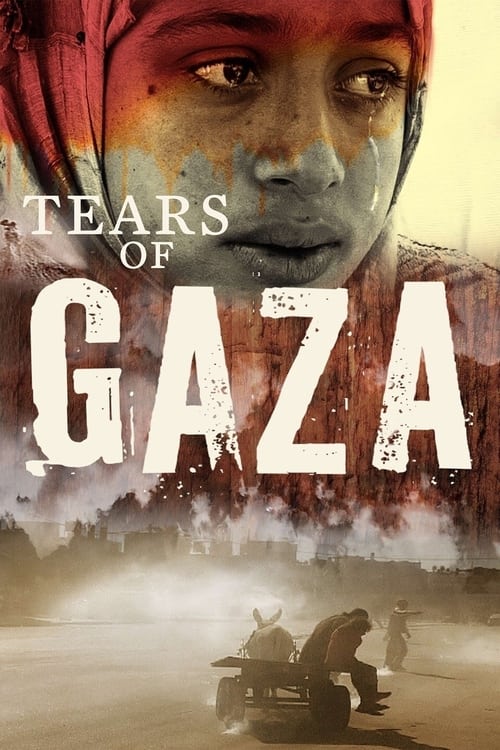
Tears of Gaza shifts the documentary focus from military strategy to the human cost of conflict. By centering the lived experiences of women and children, the film challenges traditional geopolitical narratives and Western-centric viewpoints. The work successfully provides a non-Western perspective, emphasizing the ability to act of local subjects amidst systemic deprivation. It explores the complex realities of survival in a war zone, moving beyond simplistic binaries. However, the focus on immediate physical survival means that specific identity-driven narratives, such as LGBTQ+ representation, are not present.
Category Breakdown
The film does not explicitly address LGBTQ+ identities. Instead, it focuses on the survival of families and children in a conflict zone.
The film highlights the resilience of women and children. Women are shown as key figures in maintaining community stability during times of conflict.
The documentary emphasizes the ability to act of the Palestinian population. It avoids an outsider perspective to focus on the internal realities of the Gazan people.
The narrative critiques Western political institutions through the lens of systemic deprivation. It portrays societal breakdown as a result of external political forces.
The film documents physical and psychological trauma, including injuries to children. These depictions highlight the vulnerabilities caused by systemic violence.
Present on Screen
Limited or Absent
Official Synopsis
In a rough style, by way of unique footage, the brutal consequences of modern wars are exposed. The film also depicts the ability of women and children to handle their everyday life after a dramatic war experience. Many of them live in tents or in ruins without walls or roofs. They are all in need of money, food, water and electricity. Others have lost family members, or are left with seriously injured children. Can war solve conflicts or create peace? The film follows three children through the war and the period after the ceasefire.
2024

2011

2017
2019
2018
2023

2006

2017
No reviews yet. Be the first to share your thoughts on this movie!
Use the rating form above to leave a star rating and optional review.