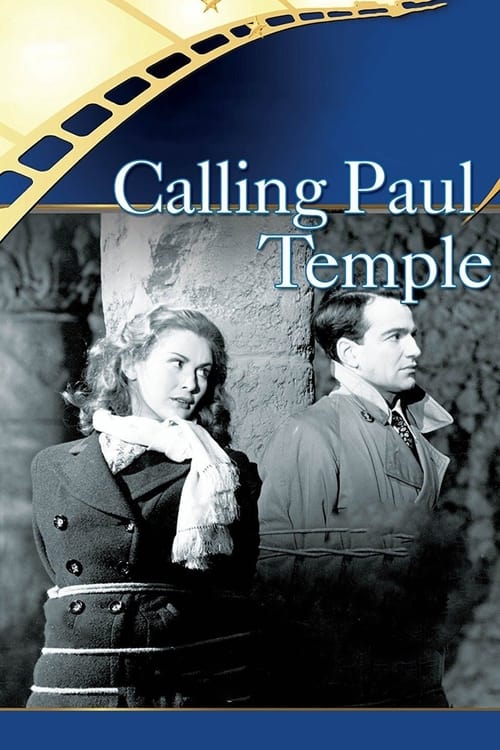
Calling Paul Temple
1948
No user ratings available yet
Representation score: 1.7 out of 10
Representation Score
Minimal
1951
NRDirector
Victor Saville
Runtime
80 minutes
Average Rating
No ratings yetNew Showbiz Analysis
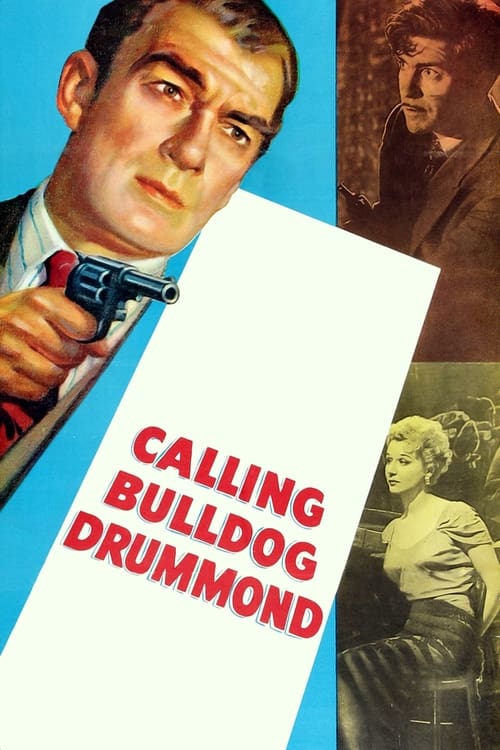
Calling Bulldog Drummond is a quintessential product of the early 1950s, emphasizing traditional heroism and social order. The film upholds rather than challenges the cultural, gender, and racial norms of its time. By relying on well-known adventure genre clichés and a homogeneous cast, the production focuses narrowly on a British context. It avoids any attempts at moral relativism or systemic change. Ultimately, the film reflects the cinematic norms of the mid-20th century, offering little in the way of progressive representation or diverse perspectives.
Category Breakdown
The film does not include any non-straight or non-cisgender identities. There is no depiction of same-sex relationships or intimacy.
The movie reinforces traditional gender roles from the mid-20th century. The male protagonist actively drives the plot, while female characters have limited roles and ability to act.
The cast is primarily made up of white British actors. There is minimal representation of ethnic minorities in key roles.
The story follows a conventional good-versus-evil structure. It does not critique Western institutions or traditional social norms.
The film does not feature any characters with physical or cognitive disabilities. All characters are shown functioning without such limitations.
Present on Screen
Limited or Absent
Official Synopsis
Bulldog Drummond leaves retirement to help a Scotland Yard Sergeant catch thieves armed with radar.
1948
1946
1952

1946
1950

1942
1943
1942
No reviews yet. Be the first to share your thoughts on this movie!
Use the rating form above to leave a star rating and optional review.